






Top-rated lawn irrigation specialists.

Get matched with top lawn irrigation specialists in Carson, IA

Enter your zip and get matched with up to 5 pros

Need a pro for your lawn irrigation project in Carson, IA?

Select your specific project to find the pro for you.

Find Lawn irrigation specialists in Carson

Avatar for Penton Enterprises Lawn & Landscape
Penton Enterprises Lawn & Landscape
4.4(
99
)
Lawn and Garden Sprinkler System - InstallLawn and Garden Sprinkler System - Install - For BusinessLawn and Garden Sprinkler System - Repair+2 more

Serving Carson, IA and surrounding areas

In business since 1997

Free estimates

Credit card accepted

"

Due to shade, dog damage, etc., our back yard had turned into a mud yard.  The grass had thinned or died, and the soil had then eroded away.  Penton?s team added a few of inches of soil and then covered the soil with sod.

I first want to praise the Penton team for showing up when they said they would and doing what they agreed to do.  My back yard was transformed from mud yard to thick lawn.  My only complaint is with the damage done to my front yard while moving soil and sod to the back yard.  I understand that some damage is inevitable, but the other landscapers that I have seen put boards down to limit the heavy equipment damage.  Penton?s team instead put down narrow sod patches to cover the tracks left by their track steer.  This left a very uneven patch of lawn, with high tracks where the sod was set bordered by low ?barrow pit? areas.  Friends and neighbors have literally tripped due to the very uneven strips.  I don?t know how the damage can be repaired without stripping, leveling, and then re-sodding the area.

I?m very thankful for the work that John?s team did for us, but I get a little angry every time I mow the damaged area.


"
Lawn and Landscape
Limestone & Flagstone
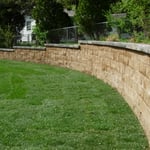
Retaining Wall
Recommended by86%of homeowners
Lawn Irrigation questions, answered by experts

Speeding up grass seed germination is possible, but it requires quite a bit of extra work and commitment. Keeping the soil moist is key, but here are a few other tried-and-true methods for growing your new grass as quickly as possible:

  • Mist grass up to eight times per day to keep the soil moist.

  • Purchase a moisture-retaining seed coating for your grass seeds.

  • Amend soil that is compacted or in the wrong pH range.

  • Choose the right grass seed for your area’s climate and soil conditions.

  • Avoid planting on windy days or during periods of extreme rain or drought.

Yes, you can overseed your lawn without aerating it, but results may vary. If you have the time, dethatching or aerating your lawn before overseeding will yield the best results. Overseeding your lawn without aerating will work, but less seed will take root. For the best possible results, aerate your lawn before overseeding it.

Yes, you can put topsoil over sand to encourage grass growth. The topsoil will help to improve water retention and promote grass roots’ development, making it a recommended step of the seeding process. Adding a layer of topsoil will provide additional nutrients to the sandy soil, helping the grass grow and remain healthy through many seasons.

Germination varies with grass type and climate, generally taking 7 to 21 days. Full lawns develop over a few months.

The best time to plant grass seed depends on your local climate and whether you have cool-season or warm-season grass.

For cool-season grasses (like tall fescue), the ideal time to seed is late summer or early fall (typically August and September). During this period, the soil is still warm from the summer, but the air is cooler, creating optimal conditions for germination and root establishment before winter. There is also less competition from weeds. Spring is a secondary option, but cooler soil temperatures, the risk of a late frost, and less time for the grass to mature before summer heat can make it less successful.

For warm-season grasses (like St. Augustine), the best time to plant is from late spring through mid-summer (typically May and June), when temperatures are consistently between 75 and 90 degrees Fahrenheit.

In general, it is best to avoid seeding during winter or early spring, as cold soil and air can prevent seeds from germinating. For recommendations tailored to your specific grass type and climate, consider consulting a local lawn care professional.

The Carson, IA homeowners’ guide to lawn irrigation services

From average costs to expert advice, get all the answers you need to get your job done.