





Top-rated fireplace pros.

Get matched with top fireplace pros in Britt, IA

Enter your zip and get matched with up to 5 pros

Need a pro for your fireplace service project in Britt, IA?

Select your specific project to find the pro for you.

Find Fireplace pros in Britt

WolfCat Services, LLC
4.5(
1
)

Serving Britt, IA and surrounding areas

In business since 2022

Free estimates

Credit card accepted

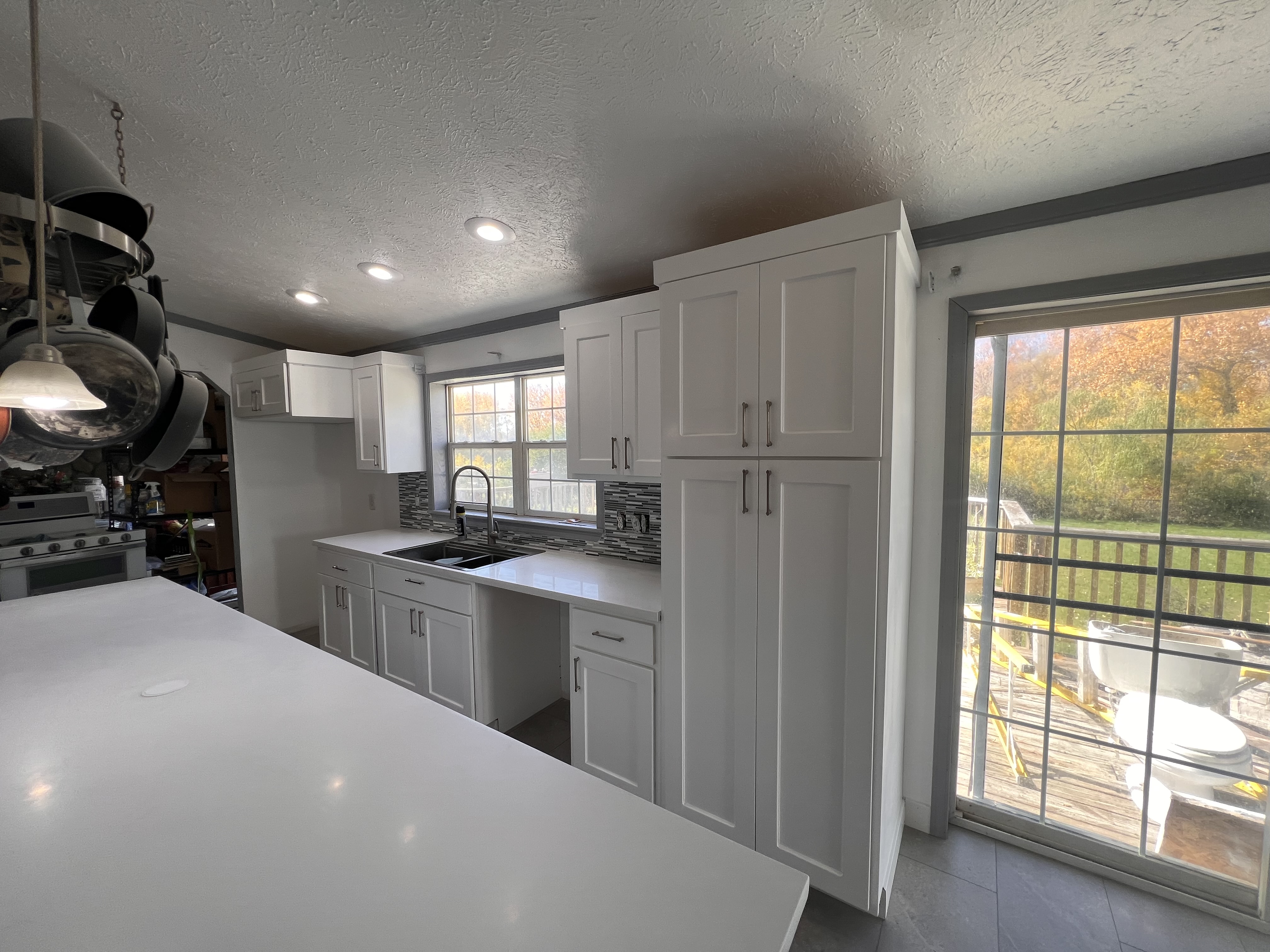
We are a locally owned and operated company with over 16 years of industry experience. We specialize in Additions and Kitchen Remodels, but also offer a wide range of expertise for a variety of other Home Improvement projects. We pride ourselves on the quality of our work as well as our commitment to outstanding results. We look forward to building lasting relationships and guarantee your satisfaction!

Response time10 hrs
Recommended by100%of homeowners
Fireplaces questions, answered by experts

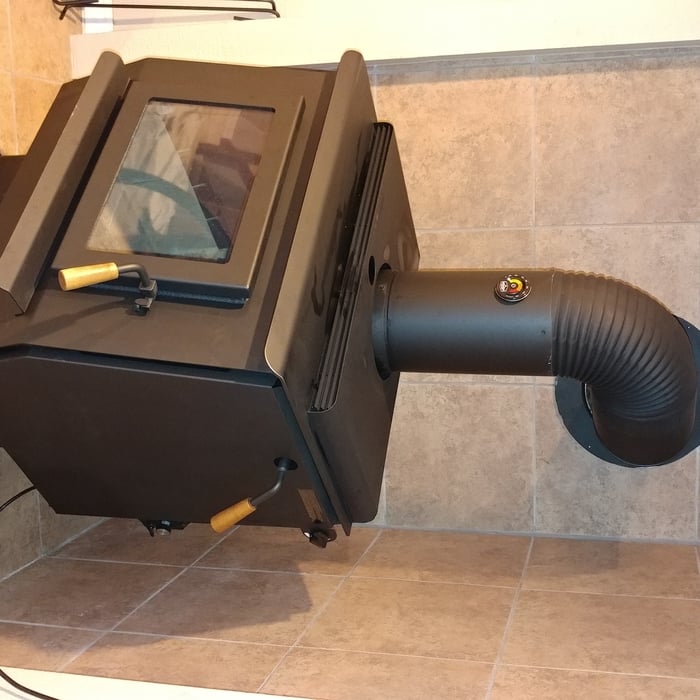
Both wood-burning stoves and fireplaces can emit smoke and other combustion gases that are harmful to human health. According to the American Lung Association, wood smoke can lead to coughing and wheezing as well as long-term health impacts like increased risks for heart attacks and stroke. 

Newer models meet the modern efficiency standards set in 2020 by the Environmental Protection Agency for cleaner burning, more efficient wood stoves. Regular maintenance can also minimize smoke.

They’re both types of wood-burning fireplaces, but a wood fireplace is built directly into a wall and attached to a chimney. A built-in wood fireplace often has an open hearth, although some models have an enclosed hearth. On the other hand, a wood-burning fireplace insert is a self-contained box that slides into an existing fireplace opening.

Your state, city, or even homeowners insurance company may have requirements on how far the outdoor wood furnace should be from the house, so be sure to abide by those regulations. In general, you should install an outdoor wood furnace or boiler as few as 30 feet or as much as 500 feet from the house or any other building.

Depending on who’s doing the estimating, about 22,000 to 25,000 chimney fires happen each year in the United States. Given the fact that millions of Americans have fireplaces (and chimneys), that means chimney fires aren’t exactly common—but they’re not rare, either. Since they’re so dangerous, it’s important to take precautions to prevent them.

Wood is classified as either hardwood or softwood. For firewood, hardwoods are generally the best choice as they tend to burn longer, hotter, and produce less smoke than softwoods. Recommended hardwoods include oak, hickory, maple, cherry, ash, beech, birch, elm, and walnut. Oak is a particularly good option as it's widely available, slow-burning, and doesn't produce much smoke or sparks. Some woods, like oak, hickory, and cherry, also emit a pleasant scent. It is best to avoid softwoods such as eucalyptus, poplar, and willow, as they create a lot of smoke and have a high moisture content that makes them difficult to light and burn efficiently.

The Britt, IA homeowners’ guide to fireplace services

From average costs to expert advice, get all the answers you need to get your job done.