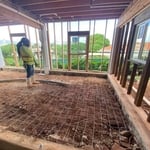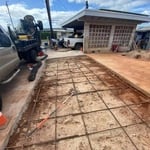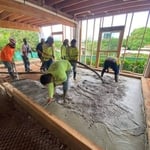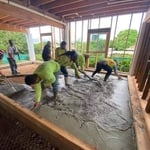





Top-rated masons.

Get matched with top masons in Volcano, HI

Enter your zip and get matched with up to 5 pros

Need a pro for your masonry work project in Volcano, HI?

Select your specific project to find the pro for you.

Find Masons in Volcano

Avatar for SP2 Construction LLC
SP2 Construction LLC
5.0(
1
)

Serving Volcano, HI and surrounding areas

In business since 2020

Free estimates

Credit card accepted

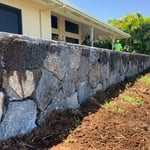
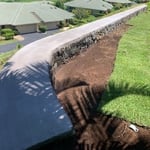
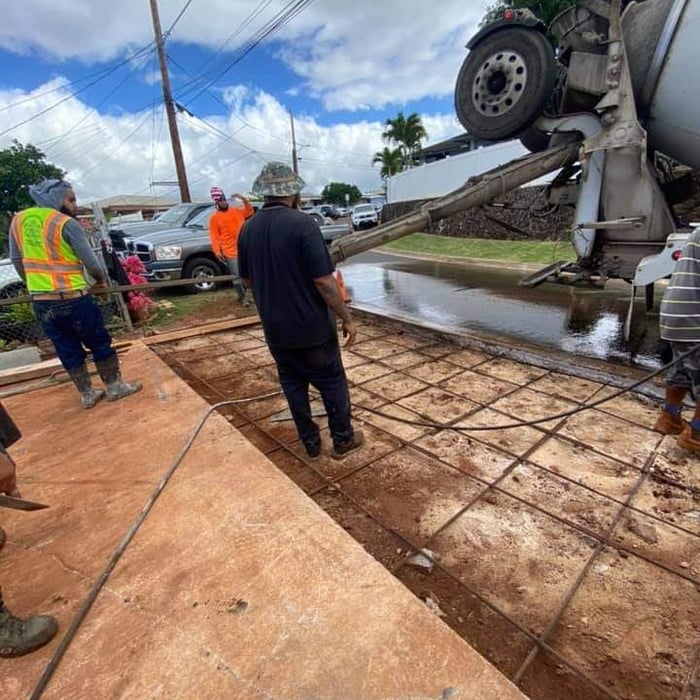
"I needed someone to put up some fencing around my property. Sean and his crew did an awesome job! They were efficient and finished the job in a timely manner. I’d definitely use SP2 construction again in the future"
Additional Photos
Additional Photos
Additional Photos
Additional Photos
Response rate100%
Recommended by100%of homeowners
Showing 1-10 of 18
Masonry questions, answered by experts

It is possible, albeit a lot slower, to break up a rock using water. You would do this by freezing and thawing the water. You could create some initial holes or cracks in the rock, then pour water into the cracks or holes and allow them to freeze (so it's best to do this in winter or in colder climates). Since water expands when it freezes, this puts pressure on the inside of the rock and causes it to crack. You could continue to pour more water in and let it freeze to continue to break up the rock.

Brick can increase the value of your home depending on the type of masonry materials used. Homes generally have a higher resale value when they have brick siding, and brick is also easier to maintain (and lasts longer) than other types of siding, which can motivate buyers to make an offer.

Just keep in mind, however, that although brick can up the asking price when you sell your house, the cost to brick a house is also more expensive than other typical siding costs—so you’ll invest more in the project.

Brick and stone are durable, low-maintenance materials for siding and walls that offer excellent insulation, aesthetic appeal, and can increase property value.

Discoloration ondifferent types of brick can range from harmless to red flag. For example, efflorescence that is caused by a buildup of water-soluble white salt is considered harmless. However, green or greenish-yellow stains are caused by salts that are harmful to brick. Staining can also be caused by rust, corrosion, lime run, soot, algae, or moss.

No, you shouldn’t lay bricks directly on dirt. While it might seem like a shortcut, it leads to a patio that shifts, sinks, and becomes a maintenance headache. Dirt expands, contracts, and erodes—none of which mix well with long-term stability. To build something that lasts, excavate the topsoil, compact a layer of crushed gravel, and add a coarse sand-setting bed. This layered base gives your bricks proper support, allows drainage, and helps block weeds from creeping through. Cutting corners here just means you’ll spend more time—and money—repairing your brick patio later.

The Volcano, HI homeowners’ guide to masonry services

From average costs to expert advice, get all the answers you need to get your job done.