






Top-rated paving pros.

Get matched with top paving pros in Volcano, HI

Enter your zip and get matched with up to 5 pros

Need a pro for your paving service project in Volcano, HI?

Select your specific project to find the pro for you.

Find Paving pros in Volcano

All Phase Masonry
New to Angi
Gravel or Loose Fill Paving - Install, Spread or Scrape

Serving Volcano, HI and surrounding areas

In business since 2010

Free estimates

Credit card accepted

We take great pride in our experience, expertise, quality, and customer service that we provide to meet the consumer's needs. It is our mission to provide excellent workmanship and complete customer satisfaction from start to completion of a project. In order to understand the needs and expectations of our customers, we take great care to work and communicate with every customer in a professional manner. Our reputation is based on service, safety, and quality, regardless of how large or small the job.

Response time1 hour
Response rate100%
Roy's Landscaping
New to Angi
Gravel or Loose Fill Paving - Install, Spread or Scrape

Serving Volcano, HI and surrounding areas

In business since 2015

Free estimates

Credit card accepted

It can be a daunting task looking for not only the right contractor for your job but also the right contractor for you. We completely understand what you're going through. We know every customer has different desires, different needs and different schedules. We're not only here to turn your ideas into reality but to make it a memorable experience every step of the way. Call us right now, no matter where you are in the planning process.

Paving Services questions, answered by experts

Your city or county will have guidelines about the minimum and maximum width and length of private roads. The average private road is 12 feet wide, and length, of course, depends on your property. Requirements also depend on the amount of traffic and types of vehicles your road experiences. Check with local ordinances before planning a road on your property.

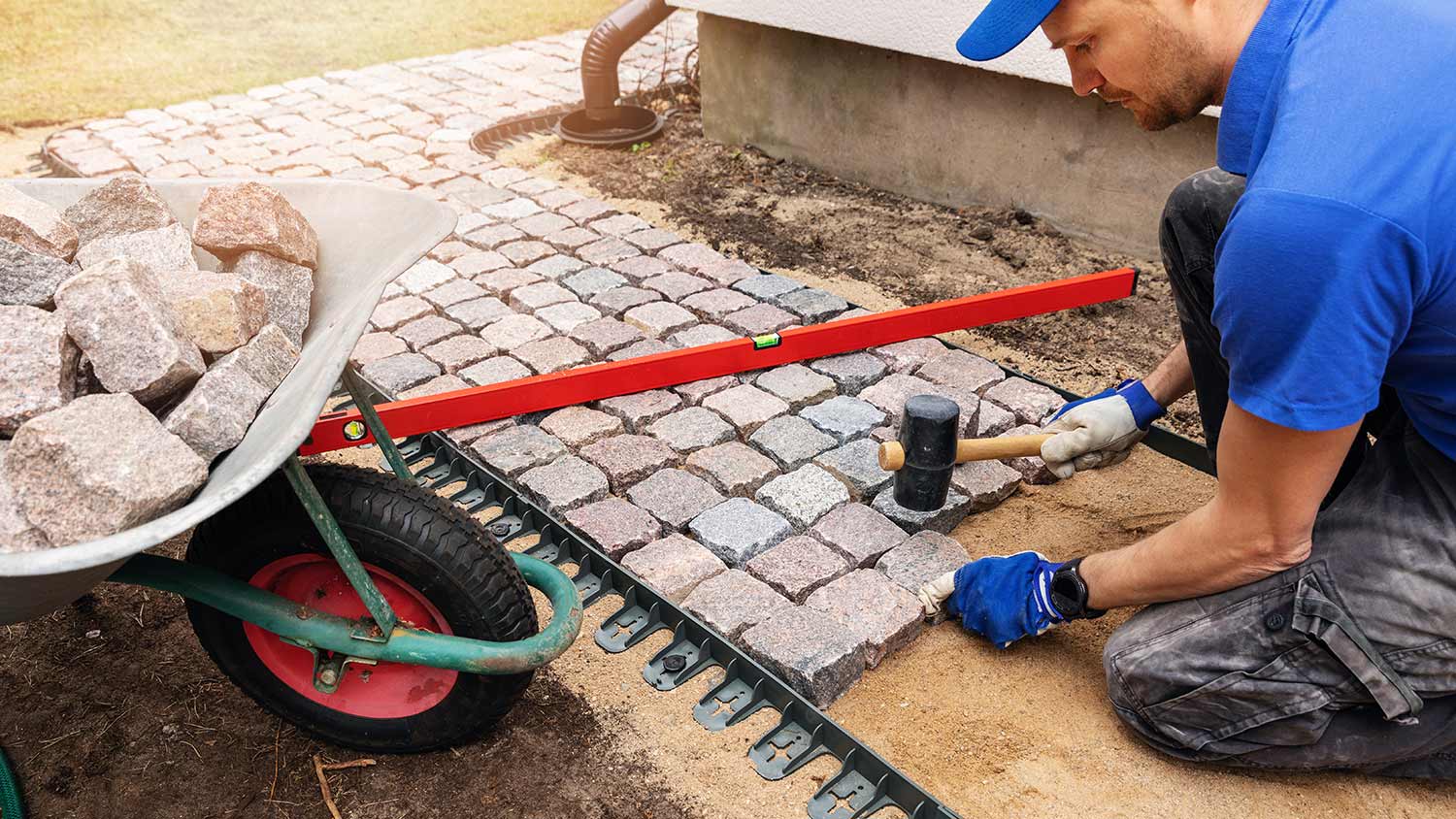
You’ll first need to install a base underneath your pavers for extra stability and drainage. Otherwise, the pavers can sink into the ground, and you’ll have to reinstall them. Use a base gravel layer of 4 to 6 inches for walkways and 10 to 12 inches for driveways. Compact your gravel layer every 2 to 4 inches so it’s nice and solid. After you install your gravel base, apply a 1-inch layer of sand on top.

A traditional driveway gate isn’t your only option when installing a barricade in front of your driveway. A security gate like a swing gate, double swing gate, bi-folding gate, vertical gate, or pivot gate could work just as well as your driveway gate—if not better for your home depending on which qualities you’re after. Like sliding driveway gates, many of these alternatives work with automatic features that simplify entering and exiting your property.

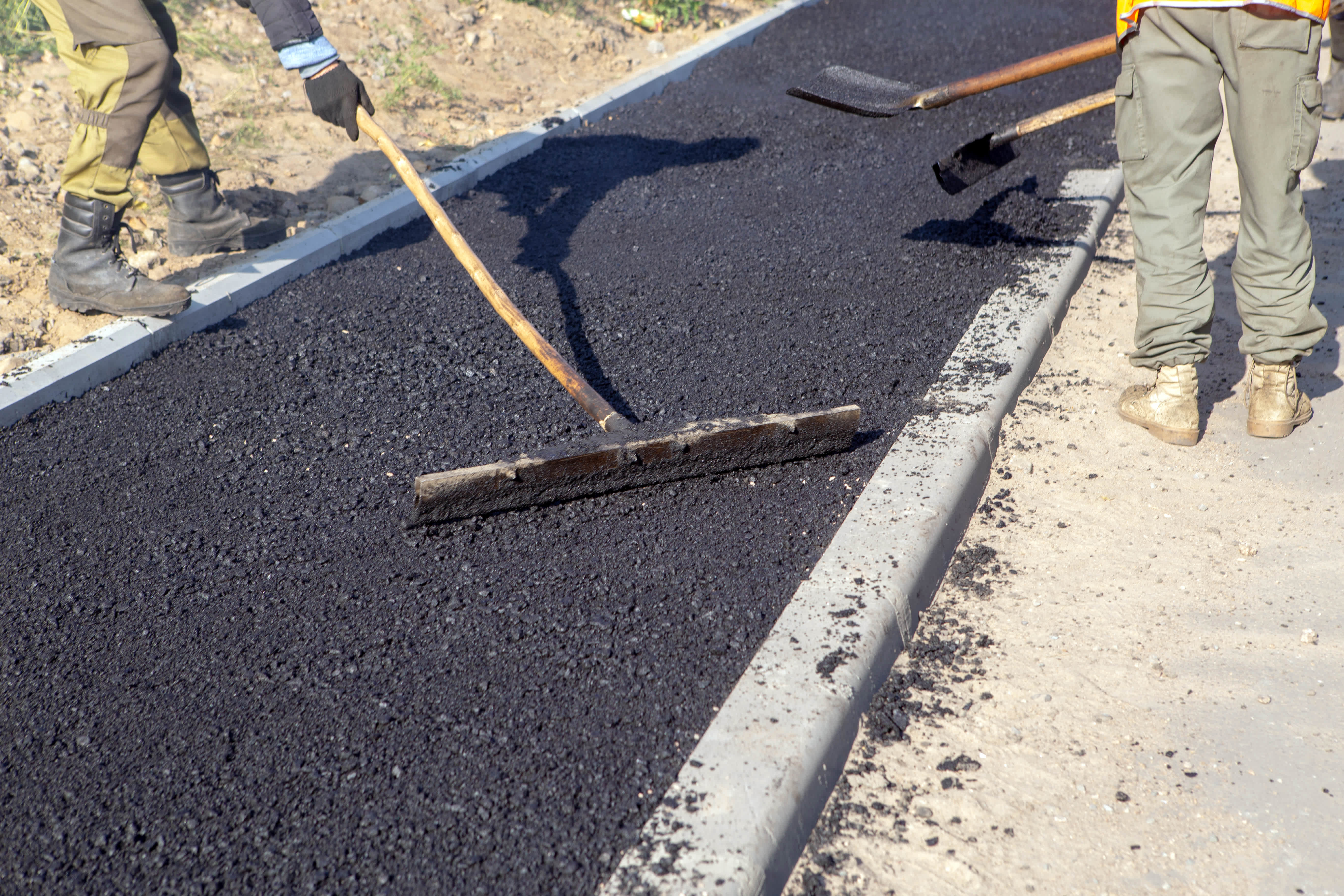
Asphalt and tarmac are not the same thing. Traditional tarmac, short for tarmacadam, uses tar as a binder to hold crushed stone together. Asphalt uses bitumen—a byproduct of crude oil—to bind aggregate. Though tarmac was once a go-to for roads, asphalt has become the modern standard. And these days, most surfaces referred to as “tarmac” are actually asphalt. So, while the names may overlap, the key distinction lies in the binder—tar for tarmac and bitumen for asphalt.

Driveways should be sloped with a minimum 2% slope—anything lower will cause precipitation and runoff to collect. A 2% slope is the equivalent of a 2-foot rise over 100 feet. One quick way to check the integrity of your driveway’s slope: no more than four inches of water should collect on the surface longer than 15 minutes after rain.

The Volcano, HI homeowners’ guide to paving services

From average costs to expert advice, get all the answers you need to get your job done.