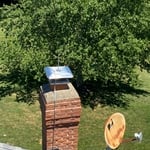
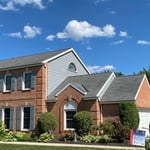
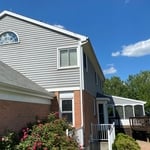
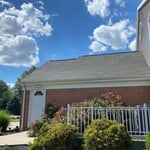
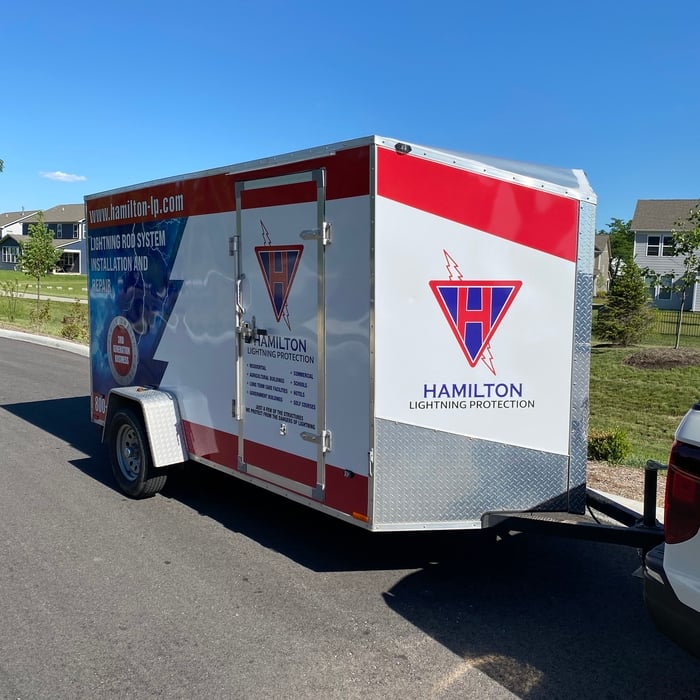
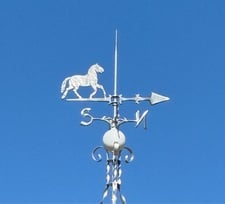
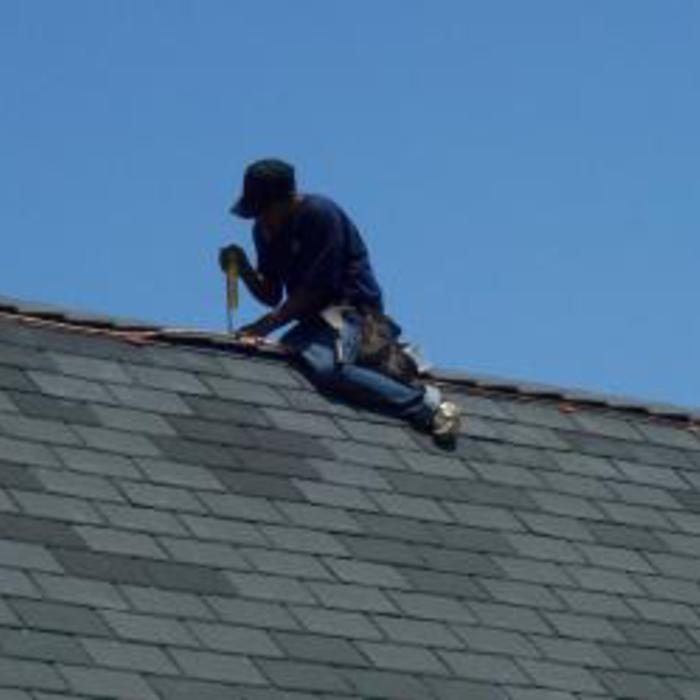
"The install was scheduled and completed quickly. The lightning rods and cable look neat and tidy along the roof. Mr. Hamilton was friendly and efficient."
"We have been hit twice by lightning by God's grace either one hit our home however the last strike burnt art motorhome to the ground William was hired to install lightning protection lightning rods on our home and two out buildings he took the time to explain to us everything we needed to know answering every question professionally conducted himself in the utmost professional manner I would highly recommend lightning rods and even more highly recommended hiring William to do the job we are going to do an expansion later on and he will be the one and only contractor I will call to continue our lightning protection"
"I hired Patrick for lightning rod installation service. He is very professional, punctual on time and explained everything how this system will function. Great work and highly recommended."
"Great job on installing my lightning ⚡️ protection system great price and we could not be more satisfied with the system looks great thank u again Peter!!"
Hi, My name is Robert Strothers and I represent RS Electrical Solutions and we are committed to customer satisfaction with all of your electrical needs.
"The workman was definitely worthy of his hire. This gentleman not only solved my problem but advised me on how not to make it worse before he could arrive to fix it. Very fast service, very professional, was willing to teach me How to do it as he fixed the problem. Had very friendly conversation and exact knowledge on the job at hand. Felt like I was in a hands on electrical workshop at my own home. It inspired me to learn electrical handling. I’d call Jehi services again and again and also HIGHLY RECOMMEND their services to family and friends."
A light switch can stop working for several reasons. Typical causes include a blown fuse or tripped circuit breaker, both of which shut off power to the switch. Worn-out or faulty internal switch components can also prevent it from functioning properly. Loose or disconnected wiring within the switch or electrical box is another frequent issue. Additionally, switches may fail due to age, excessive use, or physical damage. In some cases, problems with the light fixture or bulb itself might be mistakenly attributed to the switch.
GFCI outlets help prevent dangers from ground faults that can cause shocks. This is a different issue that a ground circuit can’t fully address. It’s best to use GFCI outlets combined with ground circuits for complete protection for you and your electronics.
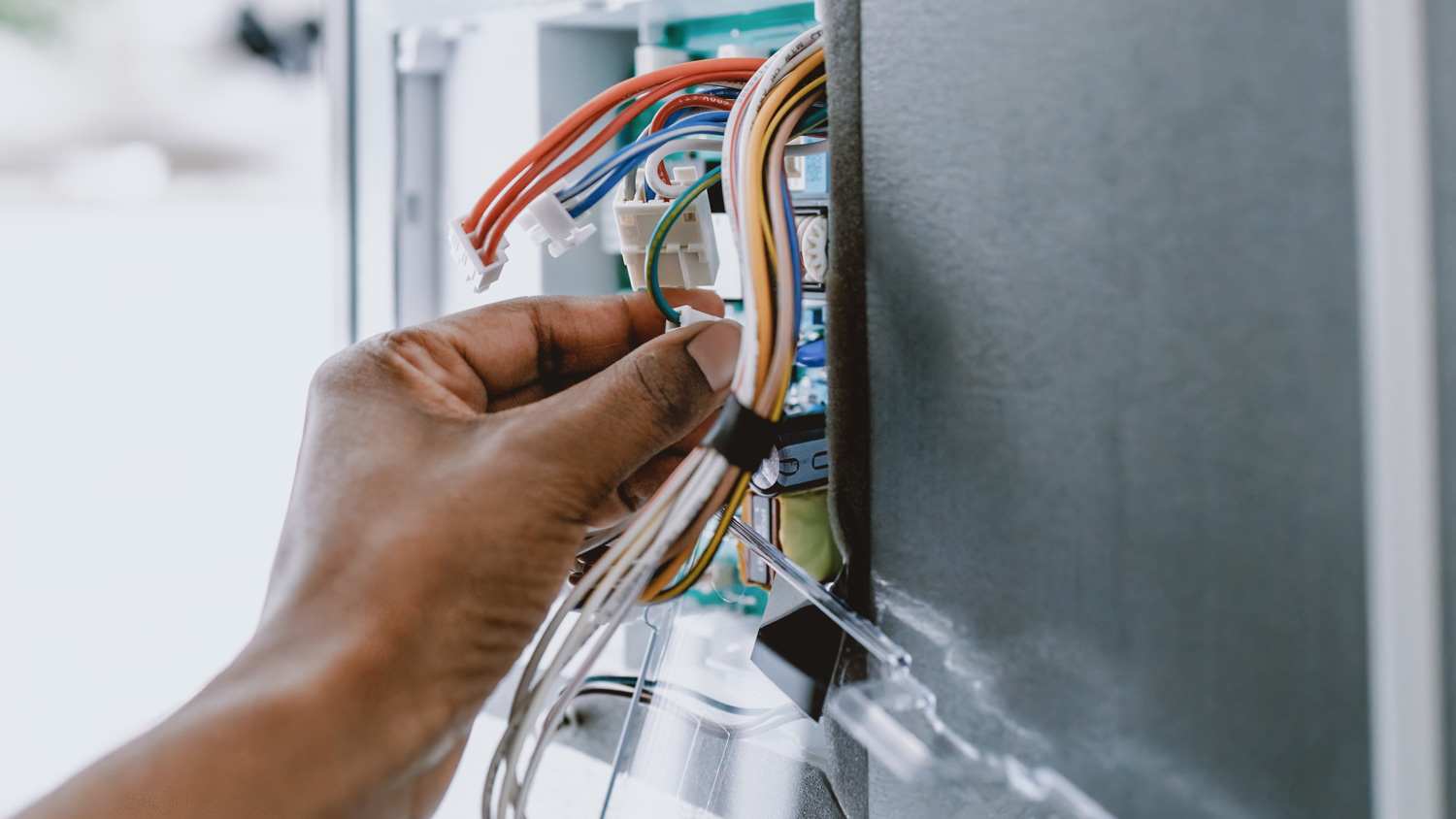
Yes, a faulty or broken light switch can be a serious fire hazard. Malfunctioning switches, often due to loose connections, exposed wiring, or overheating, can cause sparking or arcing. If you hear a crackling, popping, or hissing sound when you use the switch, it indicates live electricity arcing inside, which is a significant hazard that can ignite nearby flammable materials. If you suspect your light switch is faulty, turn off the power to that circuit at the breaker and contact a qualified electrician to remedy the issue.
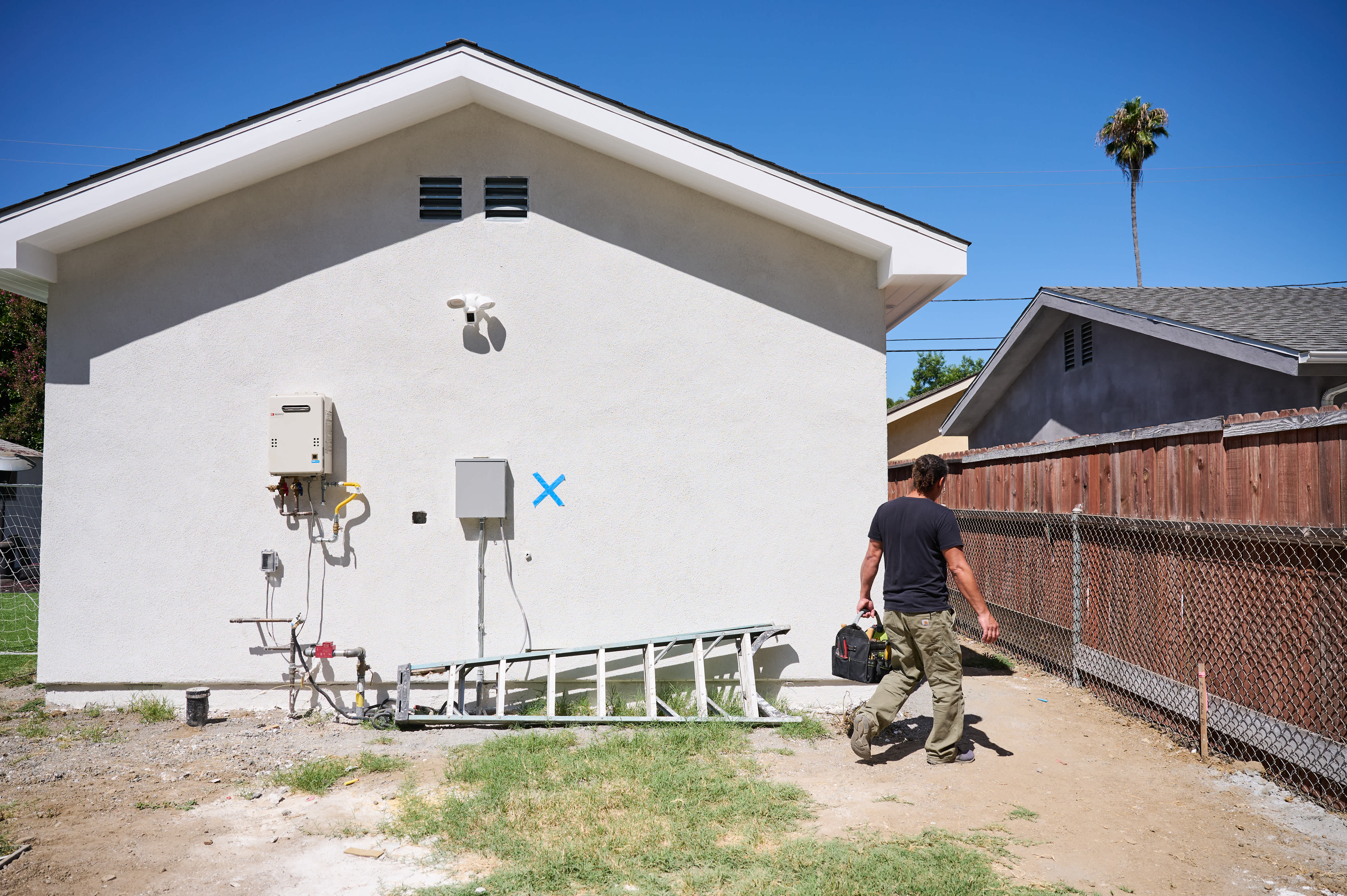
If you need to run a wire from the meter to the breaker box, start by turning off the power using the main switch to avoid injury risks from live wires. Then, locate the ground wire from your meter and connect it to the ground bar of the breaker box. Connect the neutral wire using the same method to improve your circuit efficiency.
Next, locate the hot wires running from the main switch to the meter. To connect them to the correct terminals from meter to breaker, unscrew the nuts of the breaker hotwire terminals, insert the positive hotwire, and ensure it’s firmly attached. Finally, secure the wires with electrical tape and wire tie cables before re-securing your breaker box. Keep in mind that this process can be dangerous, so don’t hesitate to hire a local electrician.
No. Do not use a 14-gauge wire on a 20-amp outlet. A certified licensed electrician would know that the National Electrical Code (as per Section 240.4(D) subsection 3) requires 14-gauge wires to be used with a maximum amplitude of 15. Therefore, you should only use 12-gauge wires on 20-amp outlets.
The Smithville, GA homeowners’ guide to electrical services
From average costs to expert advice, get all the answers you need to get your job done.
Before you hire a licensed electrical contractor, you should learn the cost to run electric from the road to your house so you can budget for the project.
Whether you’re shopping for a new home or simply doing a safety check on your current place, learn what factors influence an electrical inspection cost.
Is it time to upgrade your electrical panel? For the sake of safety, find out sooner than later by exploring our top signs that it’s time for an upgrade.