



Huntmanholla
Lawn & Yard Waste Clean UpLawn Care - Fall / Spring Clean Up - For Business
Serving Reynolds, GA and surrounding areas
 4.7
 13
*The Angi rating for Leaf Removal companies in Reynolds, GA is a rating based on verified reviews from our community of homeowners who have used these pros to meet their Leaf Removal needs.
*The HomeAdvisor rating for Leaf Removal companies in Reynolds, GA is a rating based on verified reviews from our community of homeowners who have used these pros to meet their Leaf Removal needs.
Last update on October 02, 2026
Serving Reynolds, GA and surrounding areas
Approved
Free estimates
Emergency services offered
Small jobs welcome
"Hunter was very kind and helpful. He did an excellent job, I would certainly use his services again."



Serving Reynolds, GA and surrounding areas
Approved
Free estimates
Emergency services offered
Small jobs welcome
"Mr. Brown was very professional, kind, and outgoing. He did an outstanding job! I highly recommend him for your next project! He really made my vision come true."
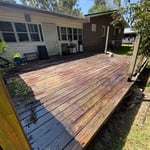
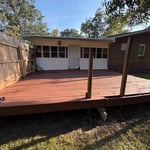
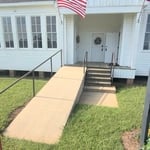
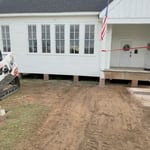
+2
Serving Reynolds, GA and surrounding areas
Approved
Free estimates
Credit card accepted
Offers commercial services
"Chad and his daughter were friendly and professional. They found and corrected the problem with my sprinkler system quickly. I would definitely recommend and use them again!"
Serving Reynolds, GA and surrounding areas
Approved
In business since 2022
Free estimates
Credit card accepted
"i couldn’t recommend Georgia Grit Company enough, Blake does an amazing job every time he comes out!"

Serving Reynolds, GA and surrounding areas
Approved
Free estimates
Emergency services offered
Small jobs welcome
"Tiger comes and cuts our grass every 2 weeks and our lawn looks amazing every time! 10/10 recommend for pricing and if I need to call him for anything he shows up within a few days of me calling him!"
Serving Reynolds, GA and surrounding areas
Approved
In business since 2020
Free estimates
Offers commercial services
"Great communication and value for the quality of work."
Serving Reynolds, GA and surrounding areas
Approved
Small jobs welcome
Offers commercial services
"Great quality and communication from the guys. Helped assemble all my furniture and were very respectful. Definitely recommend!"
Serving Reynolds, GA and surrounding areas
Approved
Junk removal
Serving Reynolds, GA and surrounding areas
Approved
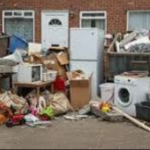
RAMS Removal is a locally owned junk removal service dedicated to making cleanouts simple, reliable, and affordable. We handle unwanted furniture, appliances, yard debris, household junk, garage cleanouts, and more. Whether you’re clearing out one item or an entire property, RAMS Removal does the heavy lifting and leaves you with a cleaner space.
From average costs to expert advice, get all the answers you need to get your job done.
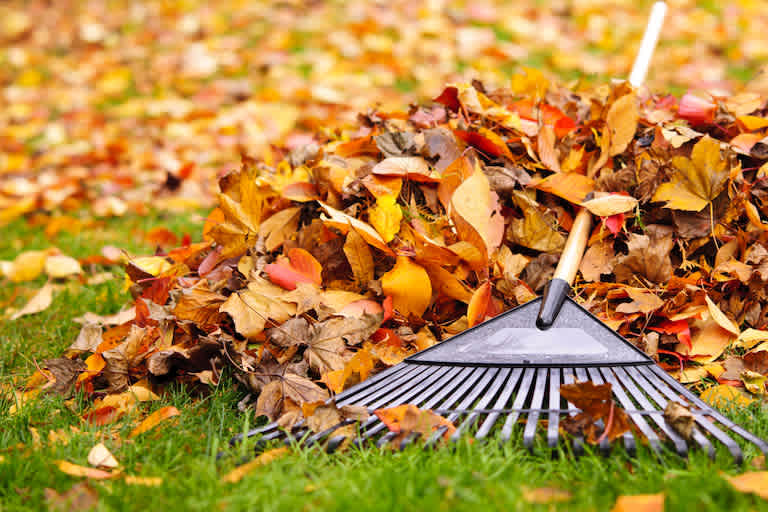
Autumn leaves are beautiful but also leave quite a mess to clean up. This guide will help you budget for your leaf removal cost this fall.
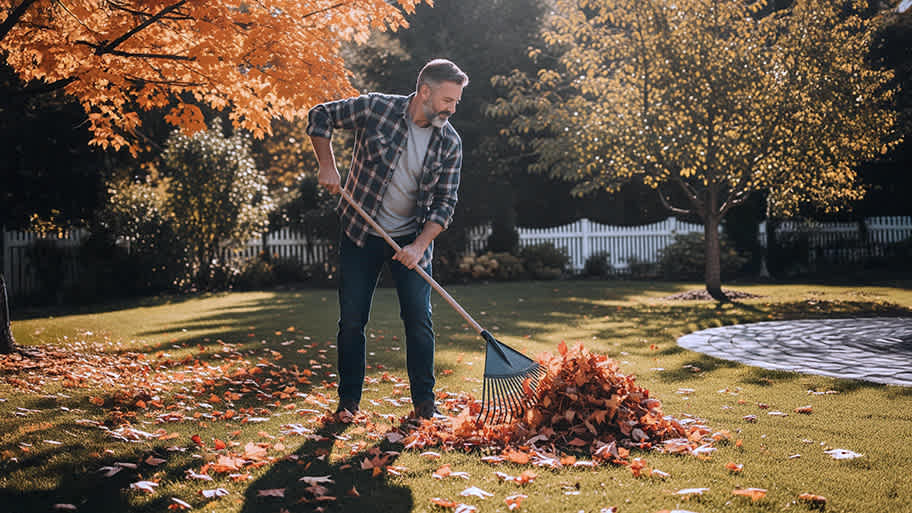
A yard cleanup can keep your lawn clean and prepare it for the next season. Find out the average yard cleanup cost and what can affect it.
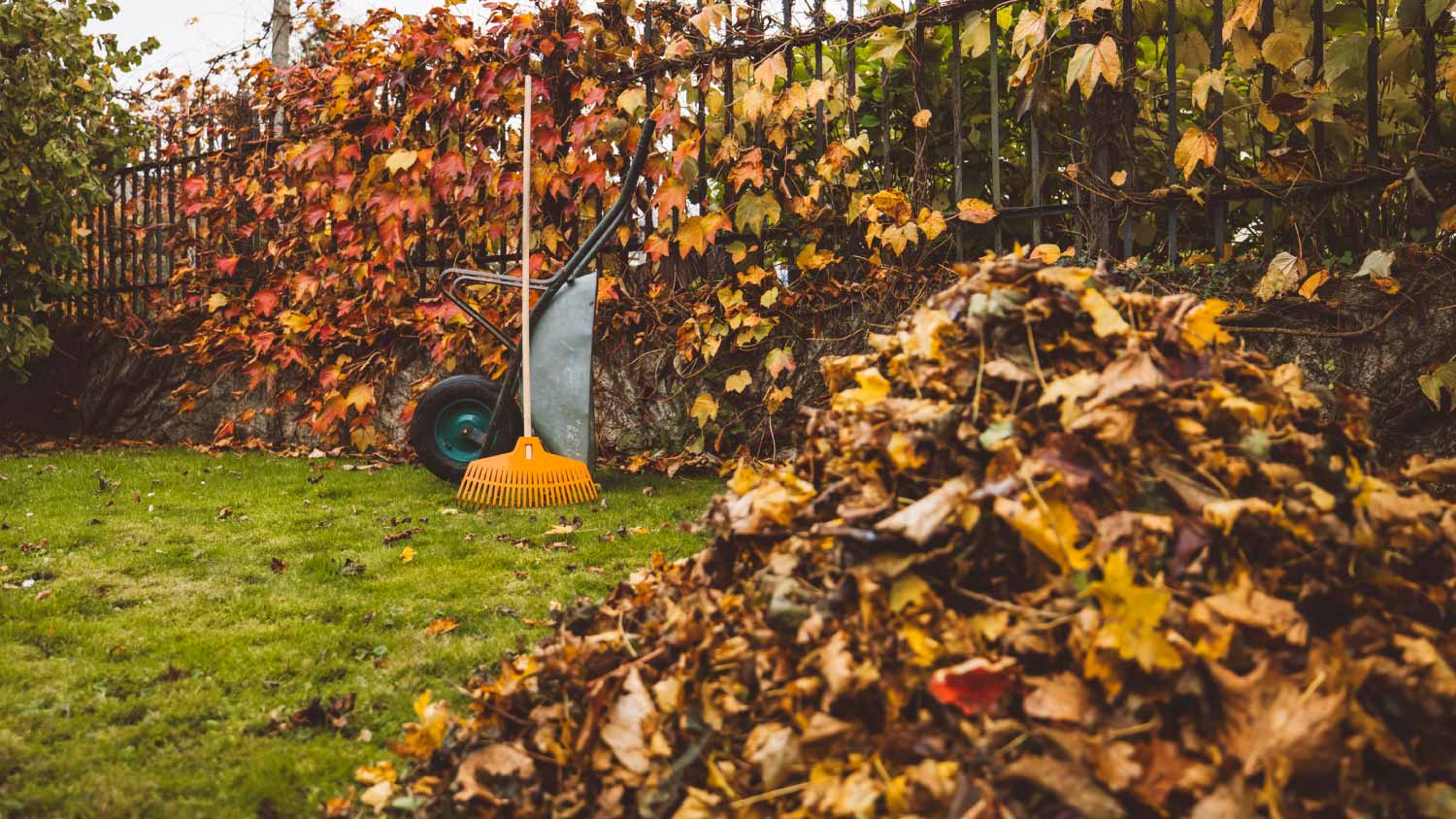
If autumn brings a blanket of leaves to your yard, you’ve got options. From mulching to free leaf removal days, here’s what to do with leaves in your yard.
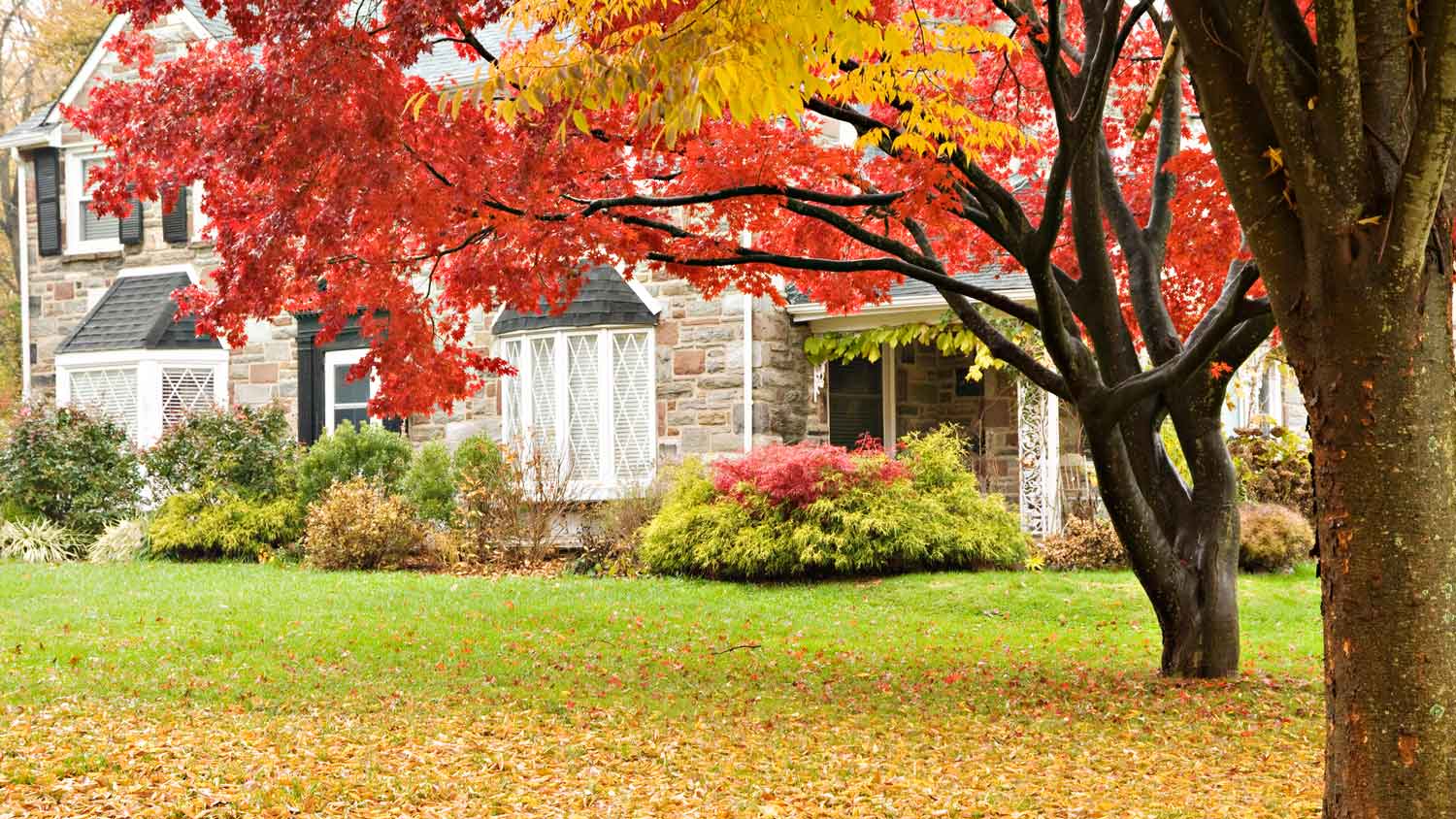
Raking leaves can be such a chore. Learn how to get rid of leaves without raking with these fail-safe methods.
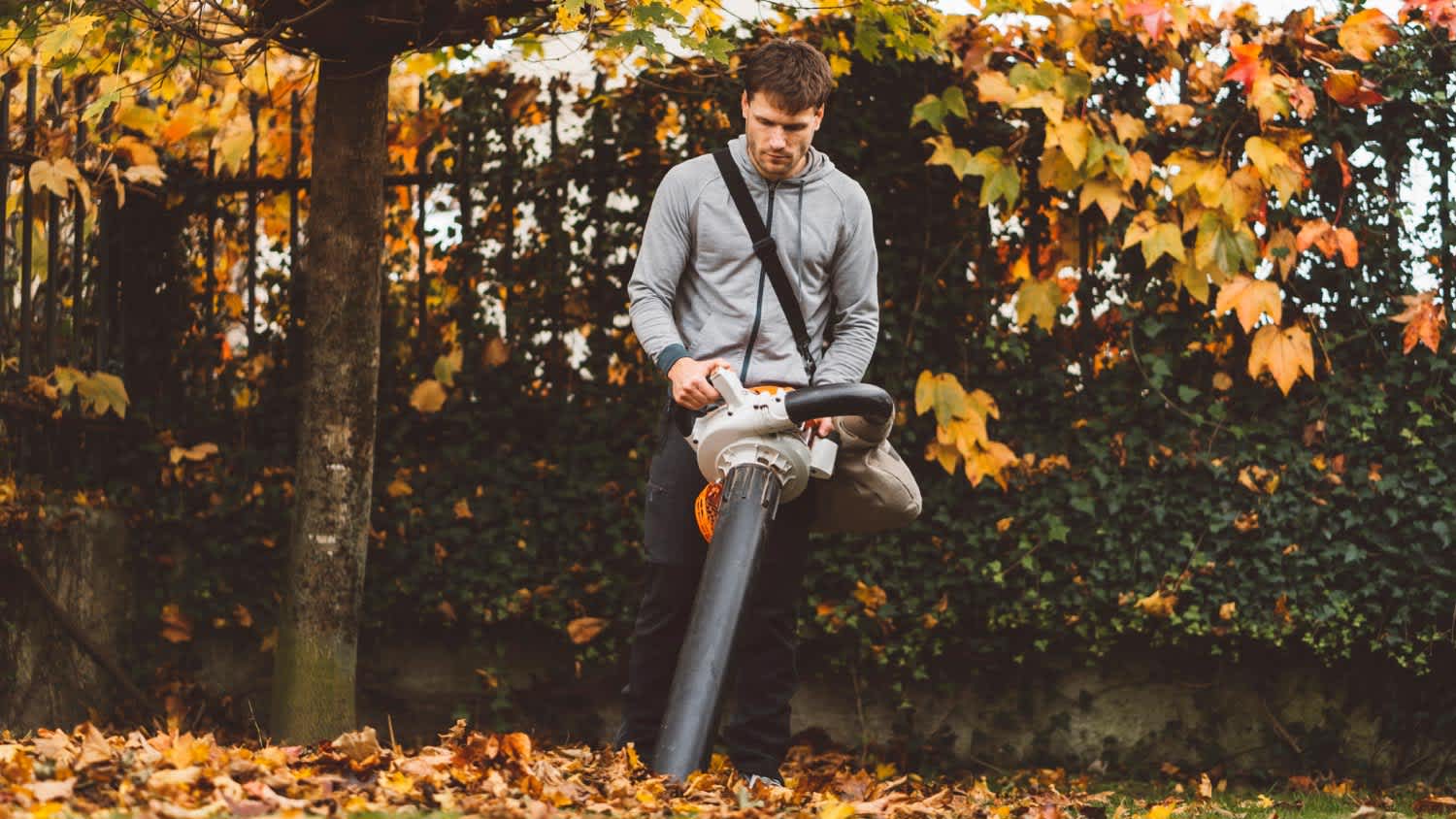
Hiring a leaf removal service can save you hours of raking and bagging. Learn what to look for when you hire a leaf removal service.
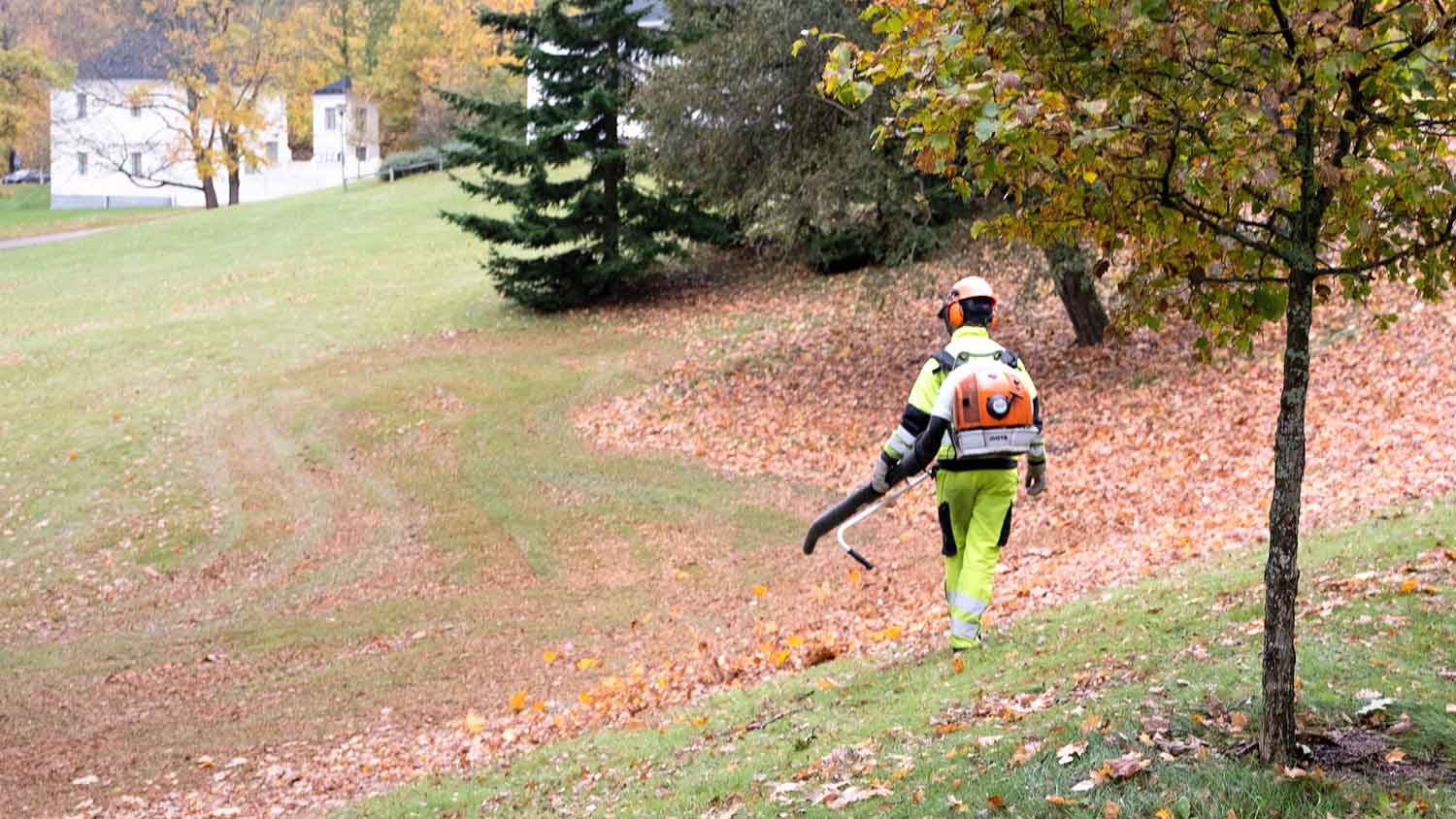
A leaf removal service can clear your yard of fallen leaves. Learn why to hire a leaf removal service, what to look for, and how the service works.