






Top-rated retaining wall installation pros.

Best retaining wall installation pros near Midway, GA

Enter your zip and get matched with up to 5 pros

Need a pro for your retaining wall installation project in Midway, GA?

Select your specific project to find the pro for you.

TRUSTED BY MIDWAY, GA HOMEOWNERS

  • Average homeowner rating star icon4.3
    Average homeowner rating
  • Verified reviews icon155
    Verified retaining wall installation services reviews

Top-Rated Retaining wall installation pros in Midway - Updated Nov 2026

Avatar for Savannah Design
Savannah Design
5.0(
3
)
Retaining Wall - Install

Serving Midway, GA and surrounding areas

Approved

In business since 2008

Free estimates

Offers commercial services

Thank you for considering hiring us for your project! At Savannah Design we pride ourselves on quality work, integrity and competitive pricing. We believe in giving our absolute best, no matter how big or small your project. \n \nWe are experts in our trade, and we will keep you educated and informed throughout the completion of your project. We treat your property like it's our own, with the utmost respect, just like we would our own family! \n \nAs the owner, my aim is to earn a 5-star review on the completion of your project. So, please let me know if at any time we are not living up to earning your perfect 5-star review. \n \nWe look forward to earning your business, so please ask us for references!

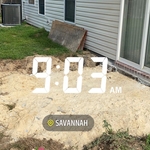
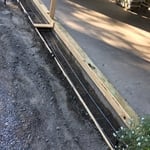
Gallery
2 neighbors recently requested a quote
Showing 1-10 of 36
Retaining Wall Installers FAQs, answered by experts

Failure to compact the soil during construction is the most common cause of leaning retaining walls. In addition, poor drainage can lead to excessive water pressure behind a retaining wall, pushing against it until it begins to move forward away from the soil it is holding back.

Generally, a railroad tie retaining wall consisting of a single line of ties should be between 3 and 4 feet tall—and the height often tops out at around 6 feet. You can go taller, but you may need additional footings and reinforcements, including a second layer of railroad ties to support the added weight of the soil it’s holding back.

They prevent soil erosion, add flat space, and enhance property aesthetics.

Railroad ties can be good for retaining walls, but it depends on the area. They have a desirable rustic look and are durable. The problem is they’re treated with creosote, a preservative the EPA says poses a risk to humans and wildlife. Over time, the preservative seeps out of the wood and into the ground. Many areas have banned the use of creosote-treated wood on residential properties. If your area does allow it, never use railroad ties near an edible garden or drinking water source. Instead, use wood that’s treated with an EPA-approved preservative or a wood-alternative composite material.

The lifespan of a retaining wall varies based on its material, installation quality, maintenance, and local climate, with an average range of 20 to 100 years. Retaining walls made from durable materials like concrete, stone, and brick generally last a minimum of 50 years. Concrete walls typically last between 50 and 100 years, while brick can last for over a century in ideal conditions. Timber retaining walls can last from 20 to 40 years, depending on the wood quality, and pressure-treated wood walls average around 30 years. It is important to note that a retaining wall can fail prematurely if it was poorly constructed, for example, with inefficient footings or without necessary rebar reinforcements.

The Midway, GA homeowners’ guide to retaining wall installation services

From average costs to expert advice, get all the answers you need to get your job done.