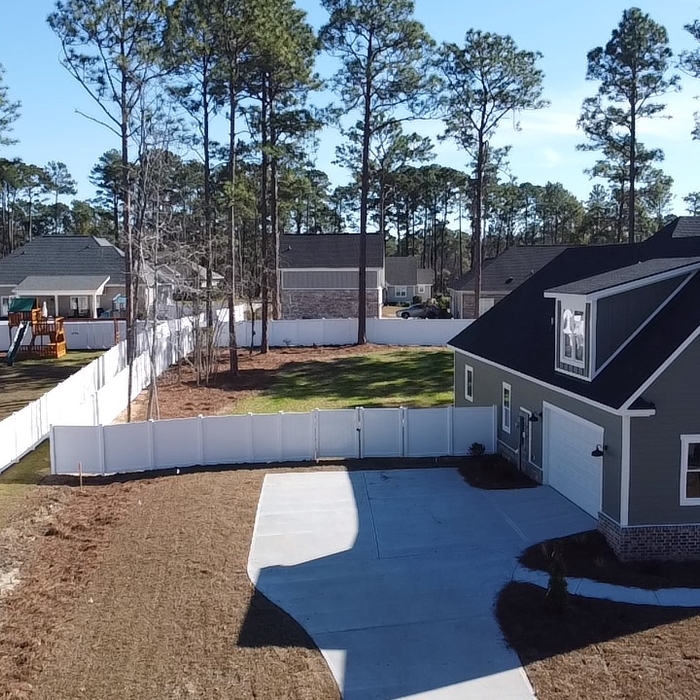
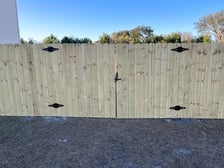
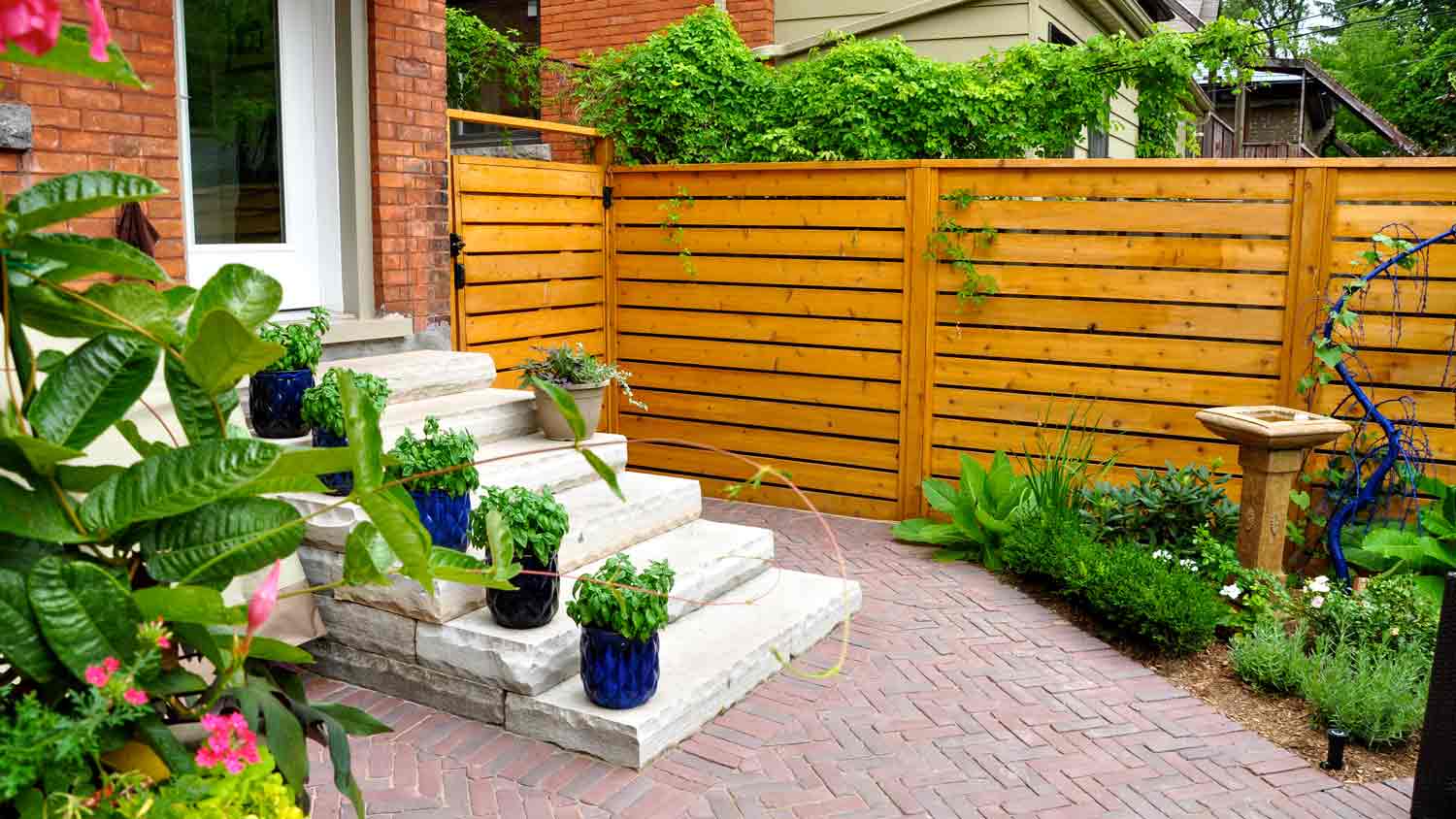
"The came in took down old fence and cleaned up in one day. Came back next day and set post. 3rd day they put up fence and cleaned up. Very nice work and cleanup was great. I would recommend them to anyone."
"Altamaha Fence was very professional, knowledgeable, and they kept my yard tidy throughout the whole process. I definitely suggest you give them a call. You will not regret it."
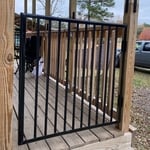
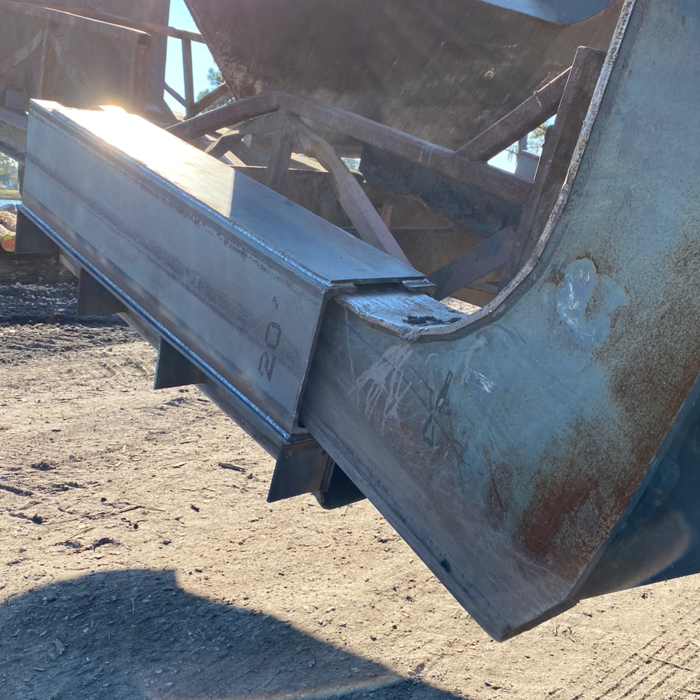
"Josh did an excellent job building my custom handrail. He has a great attitude and was on time every time! He backs all of his work and makes sure I was 100% satisfied before he left. Will be recommending to anyone looking for any type of welding work done!"
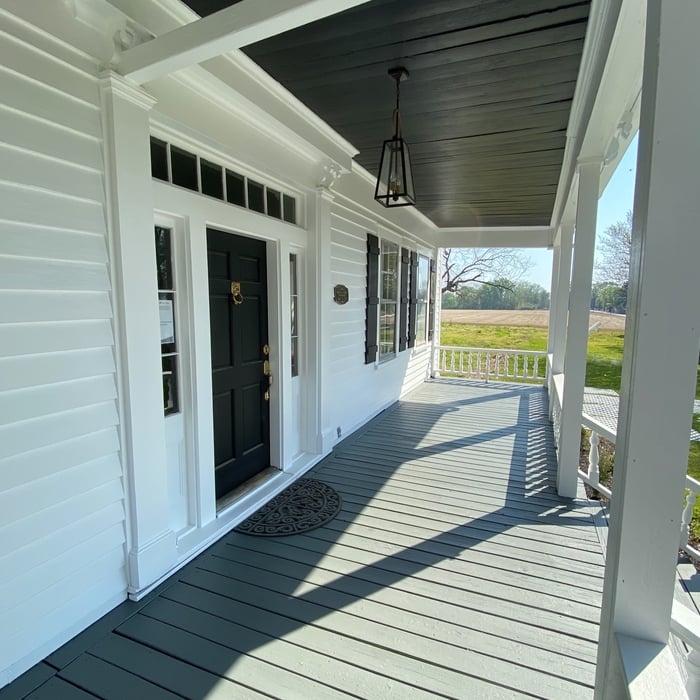
"Luke went above and beyond to restore the beauty of our historic with an emaculate paint job. He is professional, courteous, detail-oriented, and thorough. We plan to hire him for all of our future painting needs."
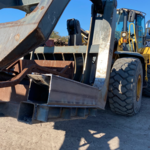
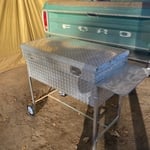
"Golden Standard Welding is a great service. The owner is very professional and personable! Prices are always reasonable and the services are done in a timely manner. Highly recommend!"
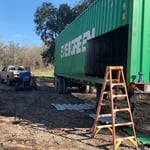
"He and his workers came to the job quickly. They advised and helped with the supplies and worked steadily until the job was finished. I recommend them to anyone."
When it comes to materials, wire fences are the cheapest option. The average cost for a 150-foot wire fence is $1,350. The next cheapest material is chain-link, followed by wood.
As far as the style of fence, smaller, less private fences are cheaper than large, elaborate fences that block your whole yard. That’s why split-rail fences are the cheapest option for wooden fences. They cost roughly $10 to $30 per linear foot.
Vinyl and chicken wire are two of the best and most affordable materials for a DIY garden fence. Vinyl is a great option because it is cost-effective, easy to work with, and effective at keeping pests out. A vinyl fence can cost as little as $15 per linear foot, especially if you install it yourself. Chicken wire is even more budget-friendly, costing as little as $2 per linear foot. While chicken wire is more affordable, vinyl is a better choice if privacy is a concern. You can also add chicken wire on top of a vinyl fence for extra security.
A barbed wire fence will last an average of 15 to 20 years, but the life expectancy can range anywhere between five and 50 years. Thicker wires last longer, as do fences made with galvanized metal. If the barbed wire fence is in a climate with harsh winters and summers, it likely won’t last more than 10 to 15 years. Failing to keep up with maintenance and repairs will also shorten the lifespan of a barbed wire fence.
The most common hog wire gauge for a fence is 12.5. However, you can choose from a few gauges based on your needs. While 12.5 is a reliable gauge for penning in large, strong animals, 9 gauge is a better option of you have large animals that are easily spooked, such as horses. For smaller animals, like dogs or pigs, you can use a 16 gauge hog wire.
If you’re part of a homeowners association (HOA), you’ll need to speak with them regarding your fence repairs prior to starting work. Sometimes, you’ll need HOA approval to start repairs and ensure that the completed project meets their standards. In other cases, direct approval might not be required to start the project. Speaking with your HOA first will help avoid any unnecessary fines and headaches.
The Glennville, GA homeowners’ guide to fencing services
From average costs to expert advice, get all the answers you need to get your job done.
Chain-link fences are among the most affordable options available. Use this chain link fence cost guide to see what your installation will cost in Washington, DC.
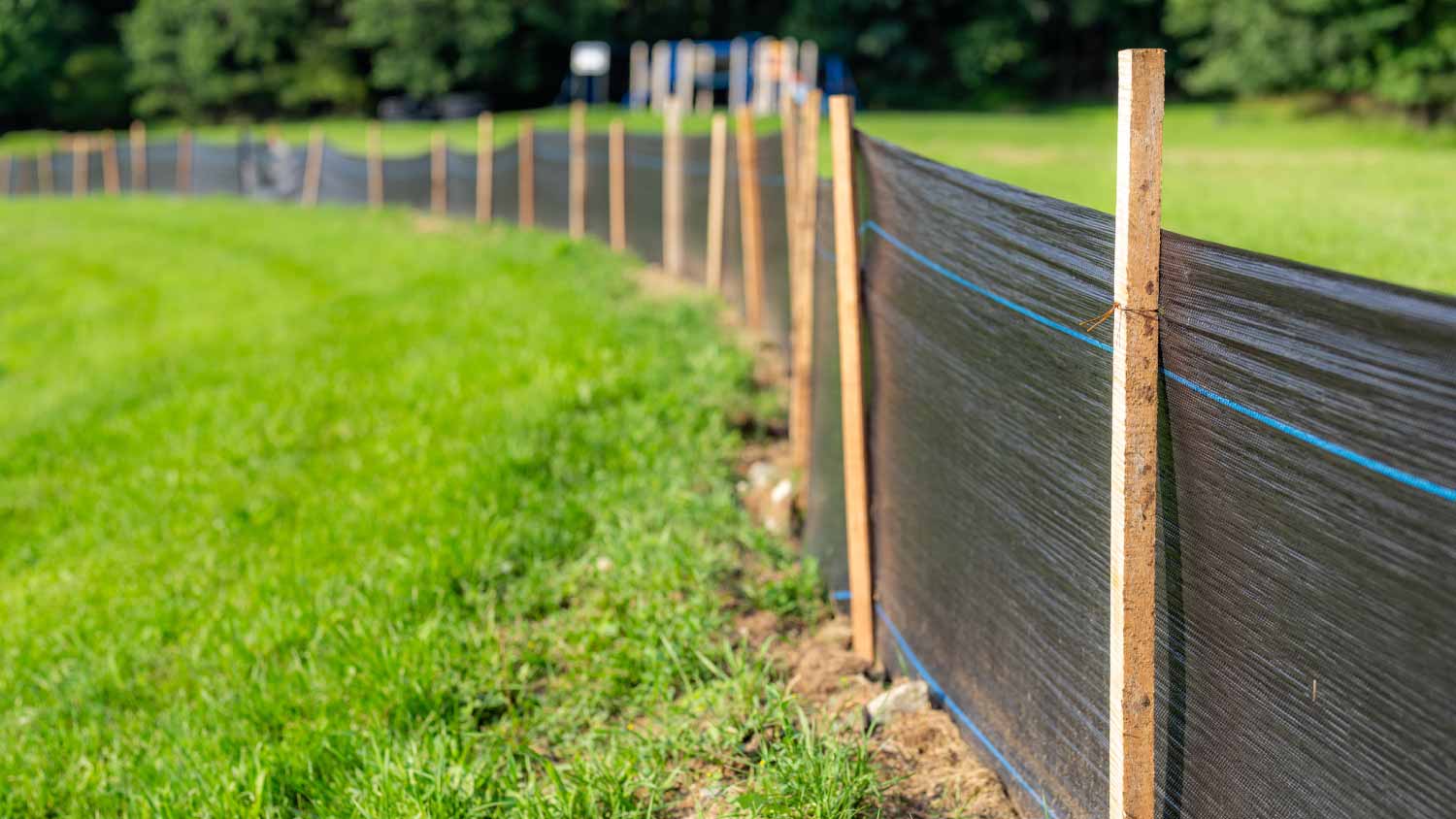
Silt fence installation costs vary depending on the size of the lot, the fencing type, and the installation technique. Use this guide to get the budget right.