



Top-rated radon detection and reduction specialists.

Best radon detection and reduction specialists near Donalsonville, GA

Enter your zip and get matched with up to 5 pros

Need a pro for your radon detection and reduction project in Donalsonville, GA?

Select your specific project to find the pro for you.

Top-Rated Radon detection and reduction specialists in Donalsonville - Updated Nov 2026

Avatar for Elite inspections of GA
Elite inspections of GA
5.0(
11
)
Radon Gas - AbatementRadon Gas - Testing

Serving Donalsonville, GA and surrounding areas

In business since 2014

Free estimates

Emergency services offered

"Excellent. James and his crew are experienced professionals that know what they are doing and do it well. The re-test after the Mitigation work, came back with results exceeding what I expected. Great work and Great Service!"
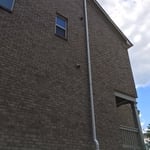
Additional Photos
Additional Photos
Additional Photos
Additional Photos
Additional Photos

+2

Recommended by100%of homeowners
Avatar for SWAT Environmental, Inc.
SWAT Environmental, Inc.
4.1(
109
)
Radon Gas - Abatement

Serving Donalsonville, GA and surrounding areas

In business since 2002

Free estimates

Credit card accepted

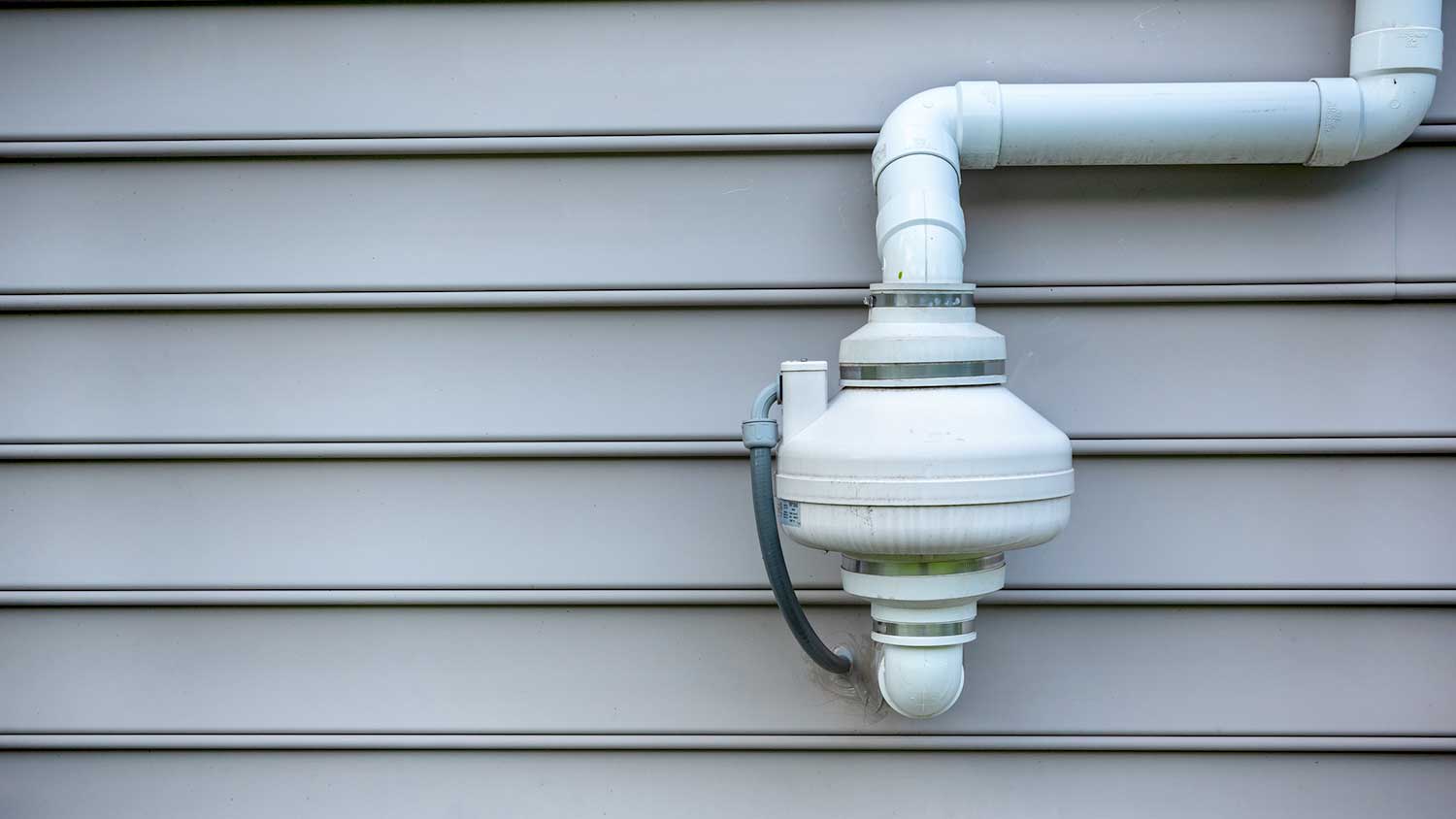
"Radon level in basement was too high so we hired SWAT to put in an exhaust fan and pipe to release excess radon gas. This was done to rectify a problem with home inspection; then house sold and we moved."
Recommended by89%of homeowners
Radon Detection and Reduction FAQs, answered by experts

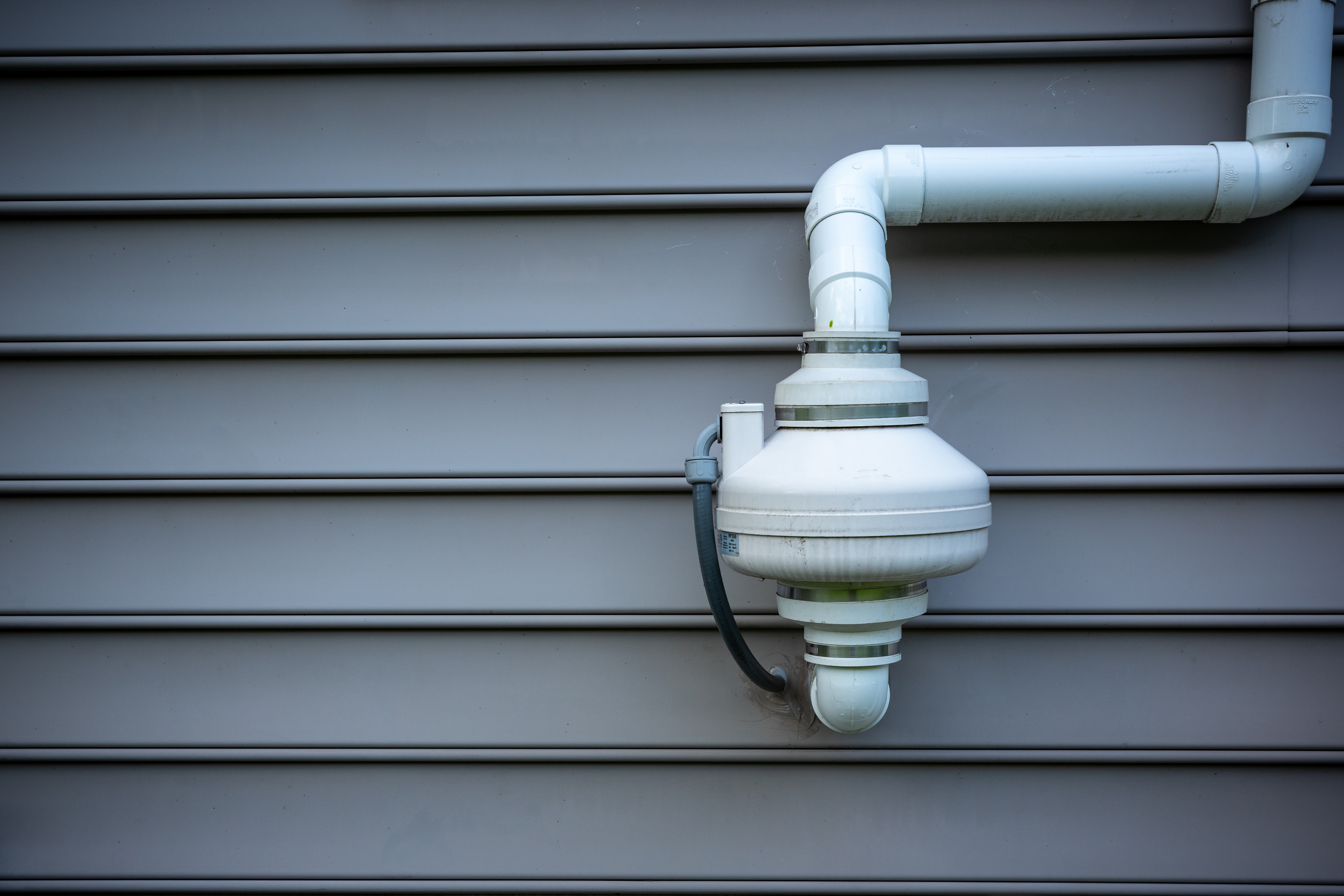
Your radon mitigation system may be loud because it’s time to replace it. Any sounds are usually from the inline fan that helps create the vacuum and resulting airflow. If you hear a new, loud mechanical or humming noise from your radon fan, it might be time to replace it. Most fans used in radon mitigation systems last up to 10 years, but may need to be replaced sooner.

If your home has a sump pit, you can integrate it with a radon mitigation system. You can accomplish this by sealing the pump cover with an airtight lid that accommodates radon vent pipes and sump pump hoses. This allows the vent pipe to redirect the radon gas outside of your home.

No level of radon is technically safe, but since it is present everywhere, complete avoidance is impossible. The average radon level in homes across the United States is 1.3 picocuries per liter (pCi/L). The Environmental Protection Agency (EPA) recommends taking preventative measures if your home's radon levels are between 2 and 4 pCi/L or higher.

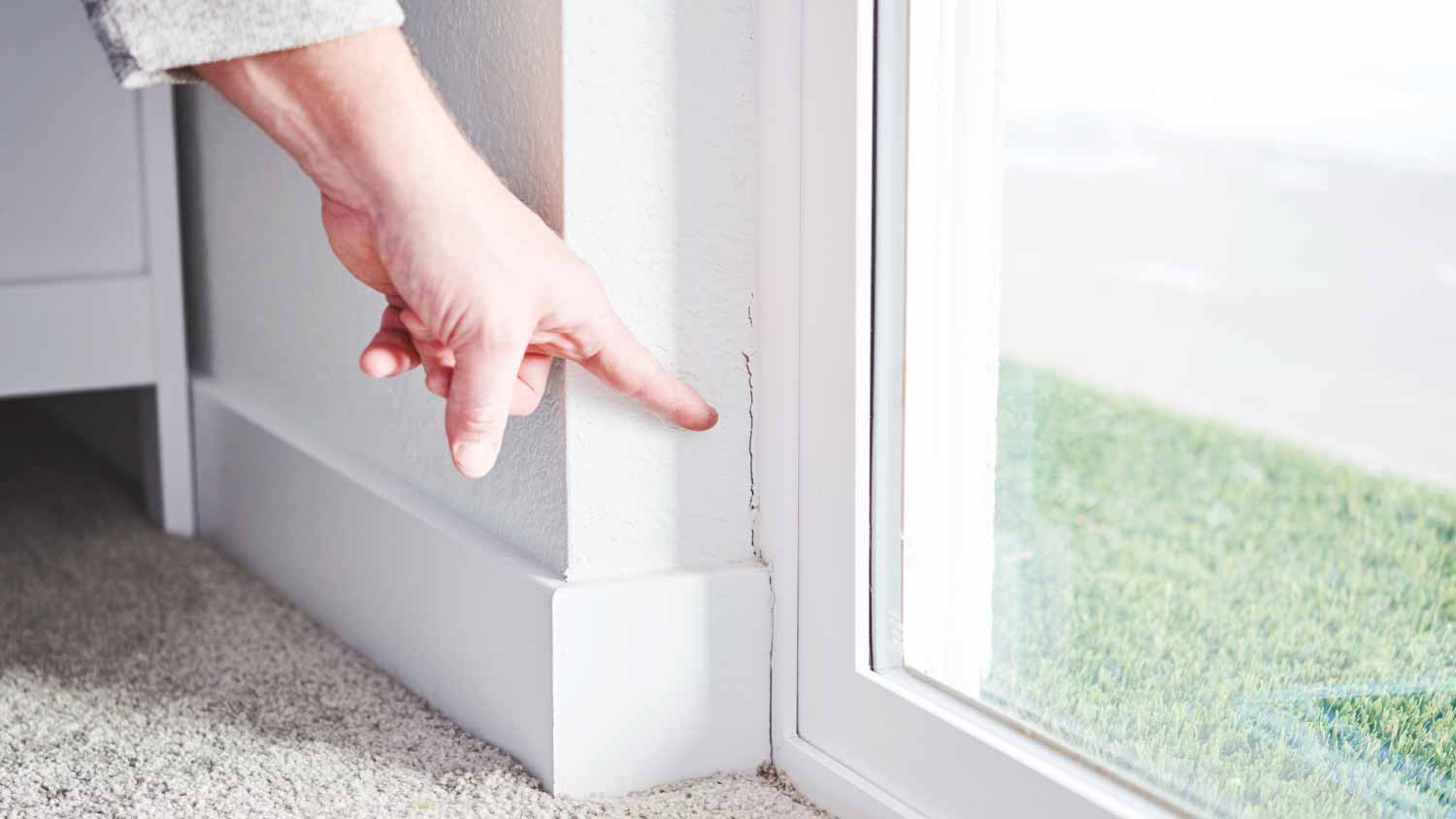
If high radon levels are detected, steps include sealing entry points, installing a mitigation system, and retesting the air regularly to ensure reduced levels.

Radon detection is crucial as prolonged exposure to radon gas, a leading cause of lung cancer, poses significant health risks in residential environments.

The Donalsonville, GA homeowners’ guide to radon detection and reduction services

From average costs to expert advice, get all the answers you need to get your job done.