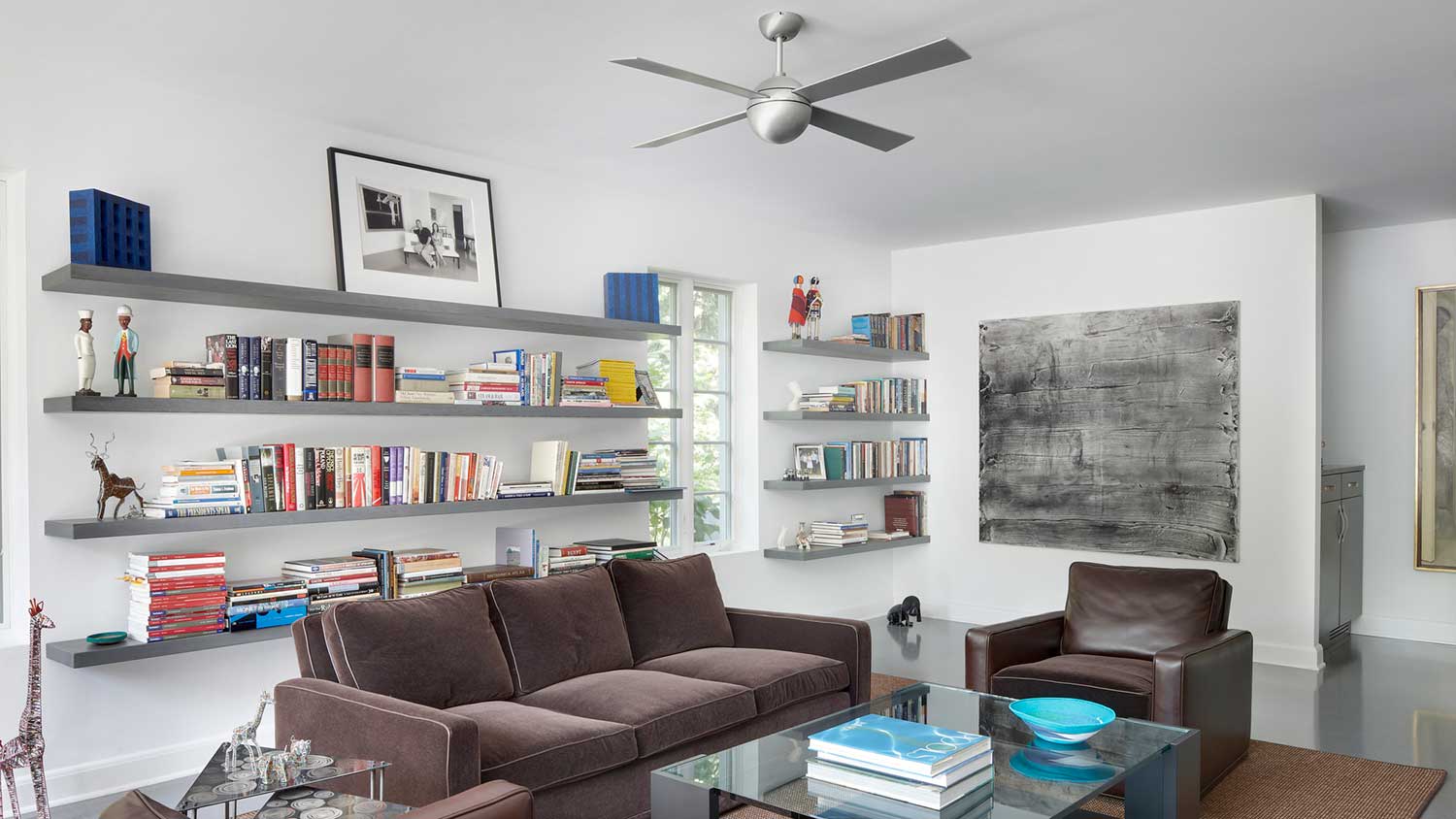






Top-rated ceiling fan pros.

Get matched with top ceiling fan pros in Cuthbert, GA

Enter your zip and get matched with up to 5 pros

Need a pro for your ceiling fan service project in Cuthbert, GA?

Select your specific project to find the pro for you.

Find Ceiling fan pros in Cuthbert

Floors Sag or Shake
4.7(
129
)
Ceiling Fan - InstallCeiling Fan - Repair

Serving Cuthbert, GA and surrounding areas

In business since 1980

Free estimates

Credit card accepted

"Very well. The slight dip in the kitchen looks better and the doors trued up. The slight sag still in the kitchen floor is because of the sub floor plywood which I didn't want to get in to. They leveled the joist by shimming the tops of several cinder block posts and installing a pair permanent of steel posts under a section of joist the previous owner had cut in two."
Recommended by93%of homeowners

Avatar for American Home Shield – Home Warranty
American Home Shield – Home Warranty
3.5(
5,688
)
Ceiling Fan - InstallCeiling Fan - Repair

Serving Cuthbert, GA and surrounding areas

In business since 1971

Credit card accepted

"I love American Shield.  I love American Shield.  I love them. We have 2 homes; this home is 30 years old, our home in California is twenty years old and we have used them in both places.
A, number 1, plus, plus!"
Additional Photos
Additional Photos
Additional Photos
Additional Photos
Additional Photos

+2

Recommended by65%of homeowners
johnson and son construction
New to Angi
Ceiling Fan - Repair

Serving Cuthbert, GA and surrounding areas

In business since 1975

Free estimates

Emergency services offered

Johnson and Son Construction have over 30 years of experience in the Carpentry industry. Ernest Johnson has been working as a carpenter and mason all his life. He has taught his trade to students in the school system for many years and is now offering his talents to you. We work with you from the start of the project to the complete finish to insure that you are not lost in the dark and you have full understanding of what we are doing. Whether you need a Carpentry projected done you can trust Earnest to give you exceptional work at affordable prices.

Ceiling Fans questions, answered by experts

If the fan doesn’t have a switch, connect the white wire from the ceiling to the white wire from the fan; connect the green wire to the ground wire; connect both black wires; and connect both blue wires. If yours has a switch, the white and green wires are connected the same way. However, connect the ceiling’s red wire to the light’s black wire and the ceiling’s black wire to the fan’s black wire. 

In short, no. You can use the square footage range chart in this article to determine the right size ceiling fan for both indoor and outdoor spaces. However, weather elements can damage types of ceiling fans that aren't designed for outdoor use, so your ceiling fan should be weather-resistant if you plan to install it outside.

The square footage of your room will dictate the correct ceiling fan blade size. For example: 

  • Rooms smaller than 75 square feet require a fan that is 29 to 36 inches.

  • Rooms up to 175 square feet require 42- to 48-inch fans.

  • Rooms up to 350 square feet require 52- to 56-inch fans.

  • Expansive spaces over 350 square feet need a fan larger than 60 inches.

Stainless steel or aluminum fans are long-lasting and have less air resistance. They are best for outdoor use as their durability helps them withstand unpleasant weather conditions. Their heavy weight requires a stronger motor, which leads to more noise than other blade materials.

Wooden fan blades are a classic, durable option. They are much quieter than metal fans and feature a wide range of styles and finishes to choose from. However, they can be damaged by moisture if not covered with plastic.

Plastic fan blades are lightweight, easy to clean, and versatile. There are various shapes and styles to choose from as plastic is easily molded and dyed. They will also deteriorate slower than other materials as they aren’t as susceptible to humidity and moisture.

The direction your ceiling fan spins helps create comfortable airflow in your home and can also help cut down on energy costs. 

During summer, your ceiling fan should spin counterclockwise. This will push cooler air downward in a column and help lower your room’s air temperature. In the winter, set your ceiling fan to spin clockwise and at the lowest speed setting. This will pull cool air upwards, displacing the warm air that pools towards the top of your ceiling and bringing it down towards the floor.

The Cuthbert, GA homeowners’ guide to ceiling fan services

From average costs to expert advice, get all the answers you need to get your job done.