

C&C drywall
Drywall - Repair - For Business
Serving Clayton, GA and surrounding areas
Approved
Free estimates
I Have over 10 years of experience in drywall and just the general construction field\nI work in the metro Atlanta area but can travel\n\n

*The Angi rating for Drywall Service companies in Clayton, GA is a rating based on verified reviews from our community of homeowners who have used these pros to meet their Drywall Service needs.
*The HomeAdvisor rating for Drywall Service companies in Clayton, GA is a rating based on verified reviews from our community of homeowners who have used these pros to meet their Drywall Service needs.
Last update on September 18, 2026
Serving Clayton, GA and surrounding areas
Approved
Free estimates
I Have over 10 years of experience in drywall and just the general construction field\nI work in the metro Atlanta area but can travel\n\n
Serving Clayton, GA and surrounding areas
Approved
In business since 2024
Credit card accepted
Offers commercial services
"Absolutely awesome we definitely would use this company again"
Serving Clayton, GA and surrounding areas
Approved
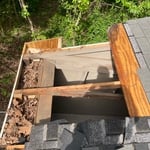
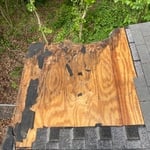
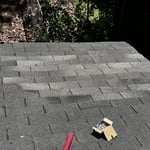
Reliable and detail-oriented contractor providing high-quality home repair and improvement services. I specialize in a wide range of tasks including general repairs, installations, maintenance, and small to medium renovation projects. My goal is to deliver dependable workmanship, clear communication, and honest service on every job, whether it’s a quick fix or a larger project.\n\nI take pride in treating every home with care and ensuring the work is done right the first time. Punctual, professional, and committed to customer satisfaction, I focus on practical solutions that keep your home in good shape!
Serving Clayton, GA and surrounding areas
Approved
I offer more than just repair services to your home. I offer peace of mind. If and when you hire me, you hire with the confidence that you will be treated honestly and fairly. I don't take on jobs that I have no business doing. I treat my customers with the respect that they're owed. I show up when I say I'm going to and I follow through with my commitments. I keep a meticulously clean work area and I'm willing to work around any needs of my customers. My passion is working on people's homes. I know it means a lot and it takes a lot to invite someone you don't know into your home. It takes even more to offer them your hard earned money in hopes that they respect your home the way it should be respected. My goal for every project is to give my customers the best contractor experience they've ever had. Your home is sacred to you, which makes it sacred to me. Every project I take part in is more than just a job. It's a relationship and an experience. With me, your home is in good hands.
Serving Clayton, GA and surrounding areas
In business since 2013
Free estimates
"Great job and started job immediately"

Serving Clayton, GA and surrounding areas
In business since 2013
Free estimates
Warranties offered
"Completed the work quickly and efficiently. Friendly and courteous service. Will consider for future work."
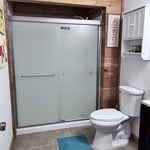
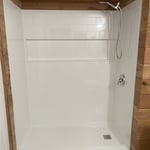
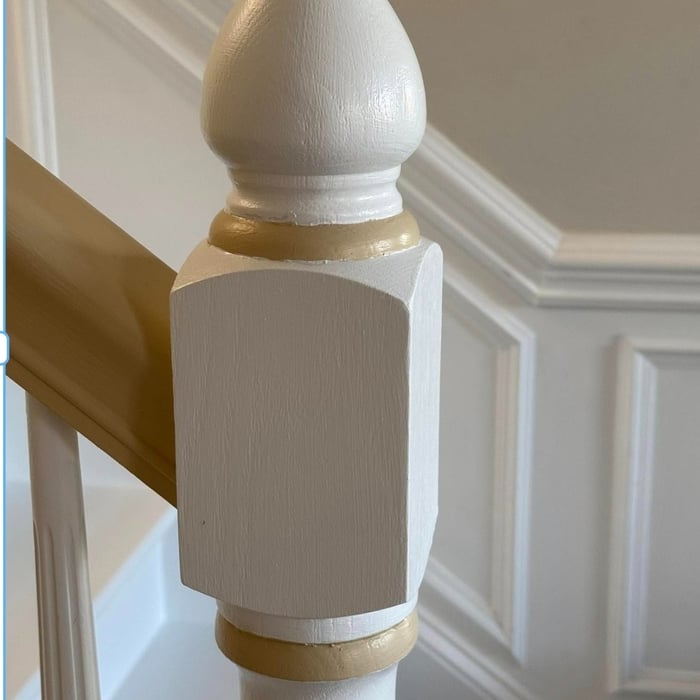
+33
Serving Clayton, GA and surrounding areas
In business since 1980
Free estimates
Credit card accepted
"Great service, clean work, nice guys!"
Serving Clayton, GA and surrounding areas
In business since 1980
Free estimates
"They were all very friendly as well as professional. They worked the full time with very little lost time. They all worked very well together as an organized team finishing within the time estimated providing excellent work for a very reasonable price. I have found nothing they did that I would consider less than perfect. I would definitely hire them to do any further drywall work if I had any to do. I would encourage anyone needing this company's service to feel safe to use them."
Serving Clayton, GA and surrounding areas
In business since 2022
Free estimates
Emergency services offered
"Reviewed the job, addressed it promptly and did a nice job"
Serving Clayton, GA and surrounding areas
In business since 2022
Free estimates
Credit card accepted
"Mr.zack was great, very professional,fast and great work"
From average costs to expert advice, get all the answers you need to get your job done.
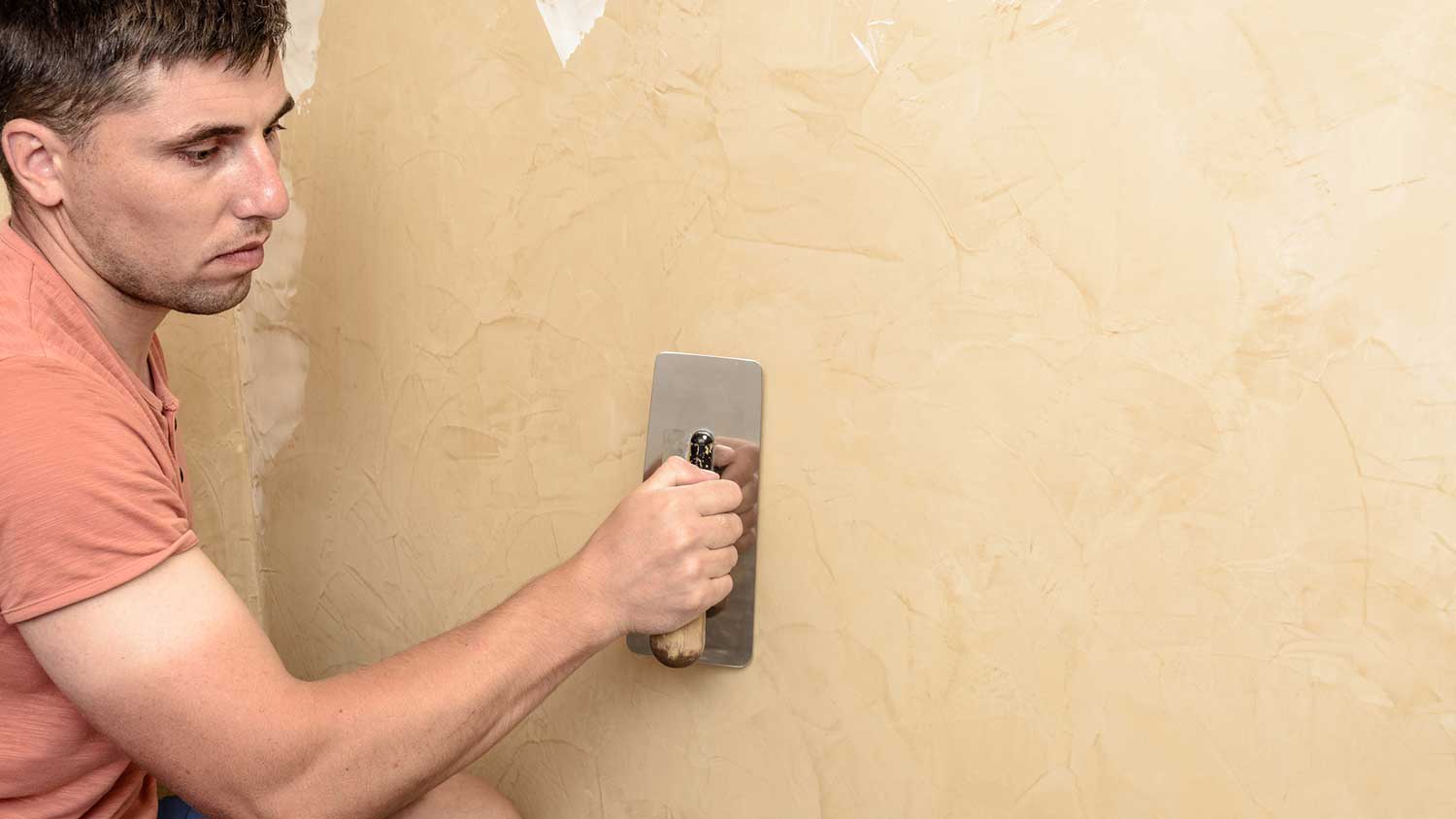
Drywall texture can create an attractive finish and add dimension to your home’s walls. This guide breaks down the factors that influence the cost to texture drywall.

Installing drywall is the most common way to finish your home’s interior. Use this drywall installation cost guide to see what your project is likely to cost.
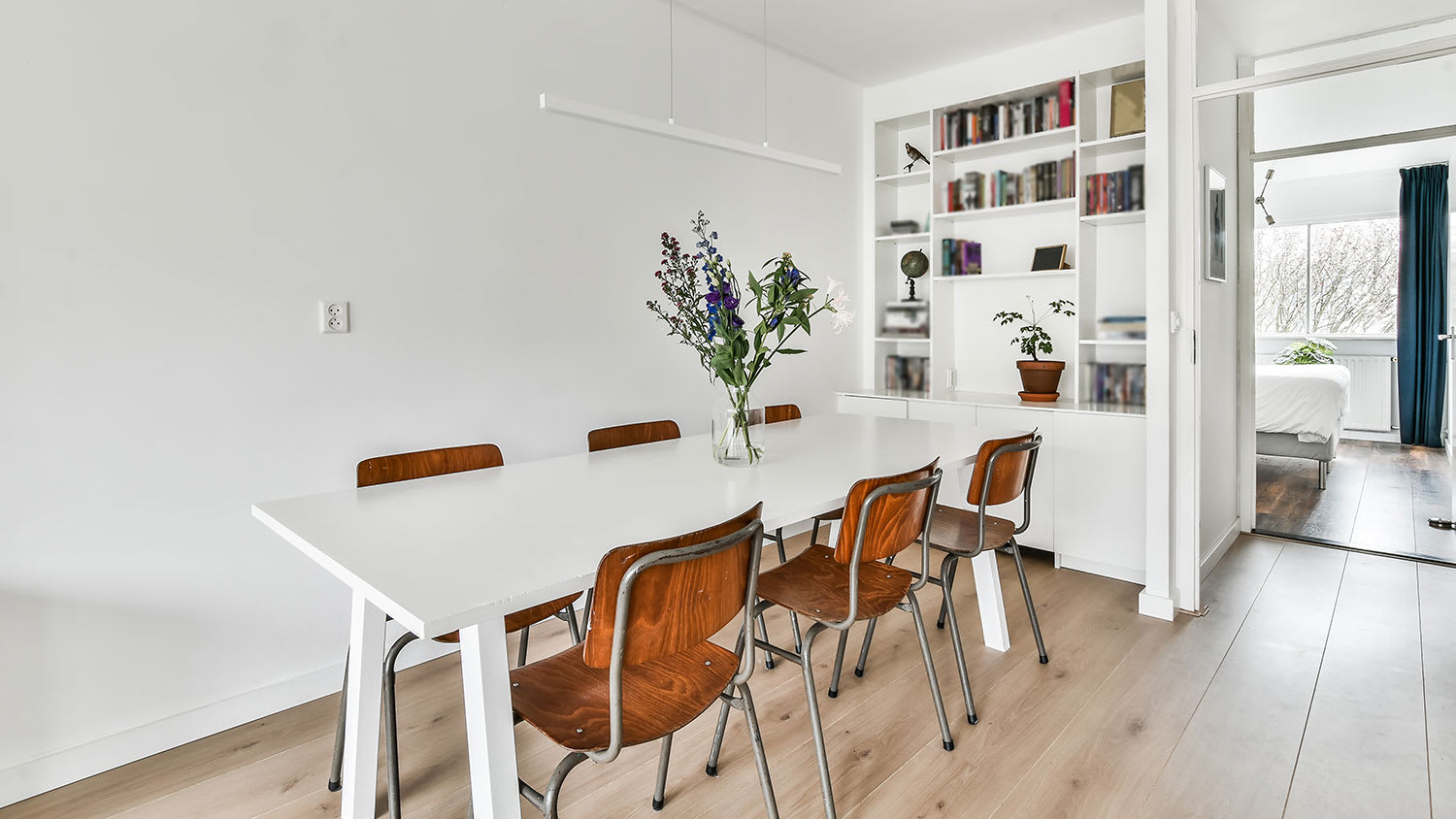
Whether you want to spruce up a few dents and dings or fix a large surface area, investing in drywall repair costs can return your walls to a smooth, flush look.
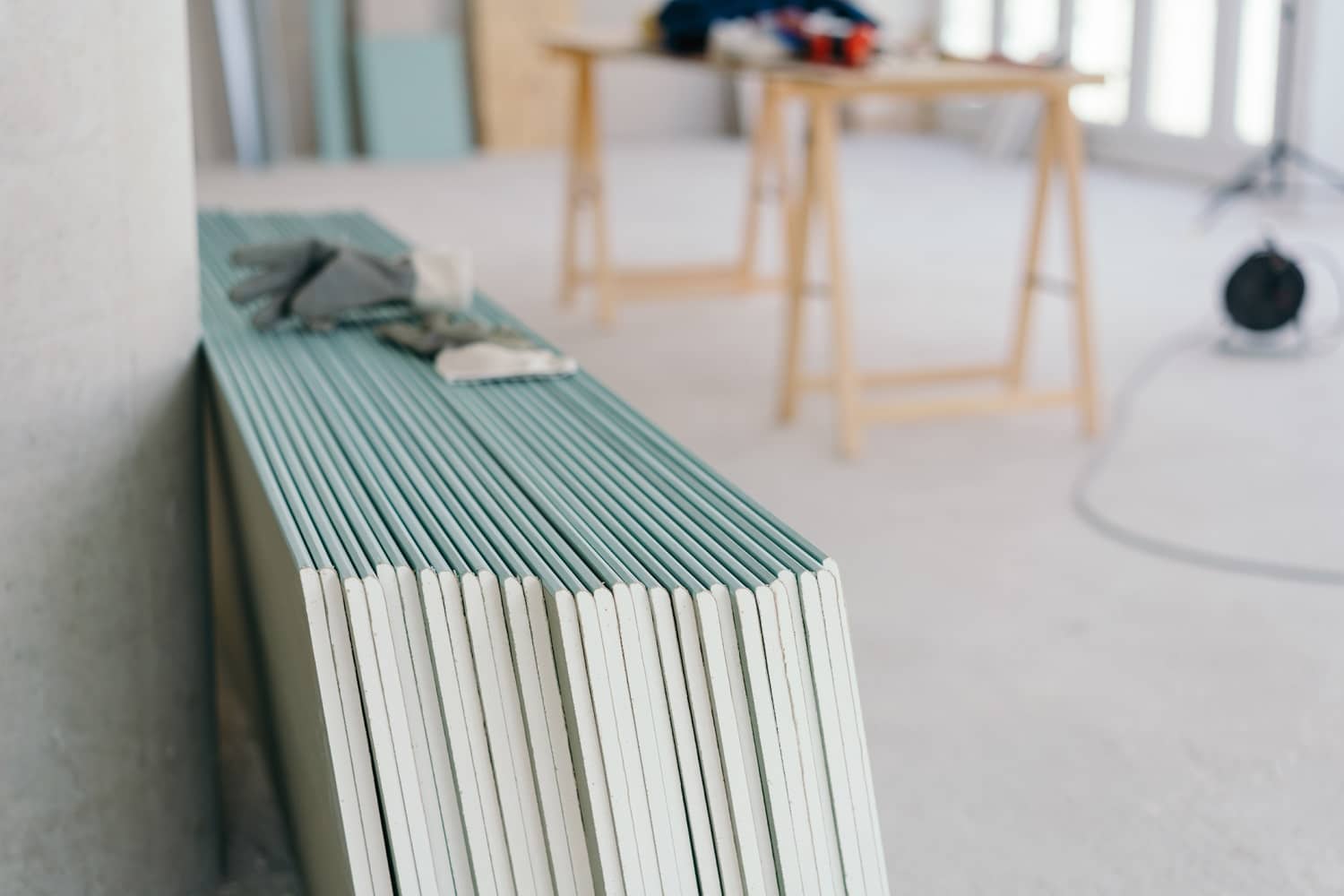
Understanding the plaster vs. drywall debate is key to giving your home’s walls the perfect finish. Learn more about the pros, cons, and costs with our advice.
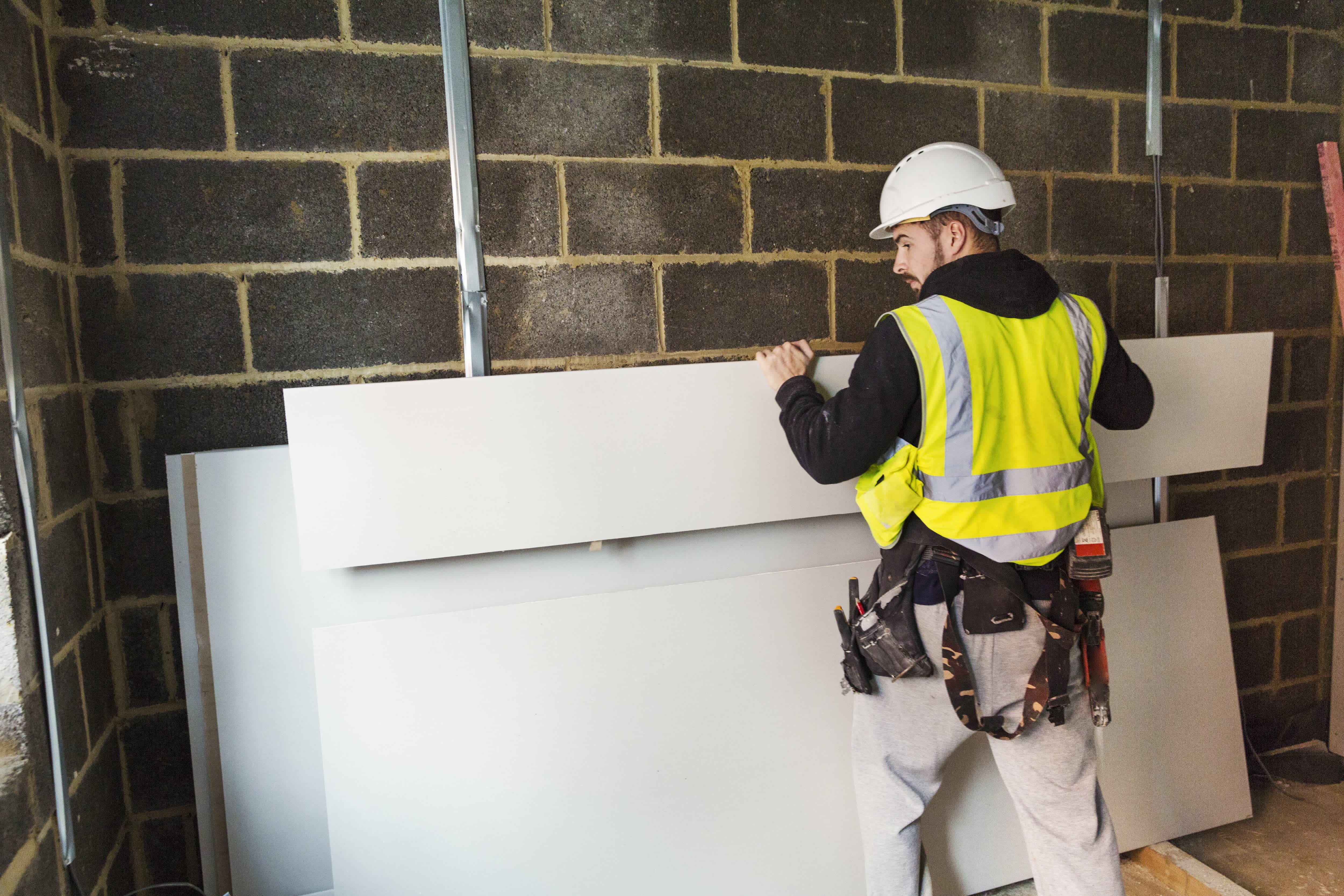
The terms drywall and Sheetrock are often used interchangeably, but one is a brand and one is a specific product. Find out which one you need in this guide.
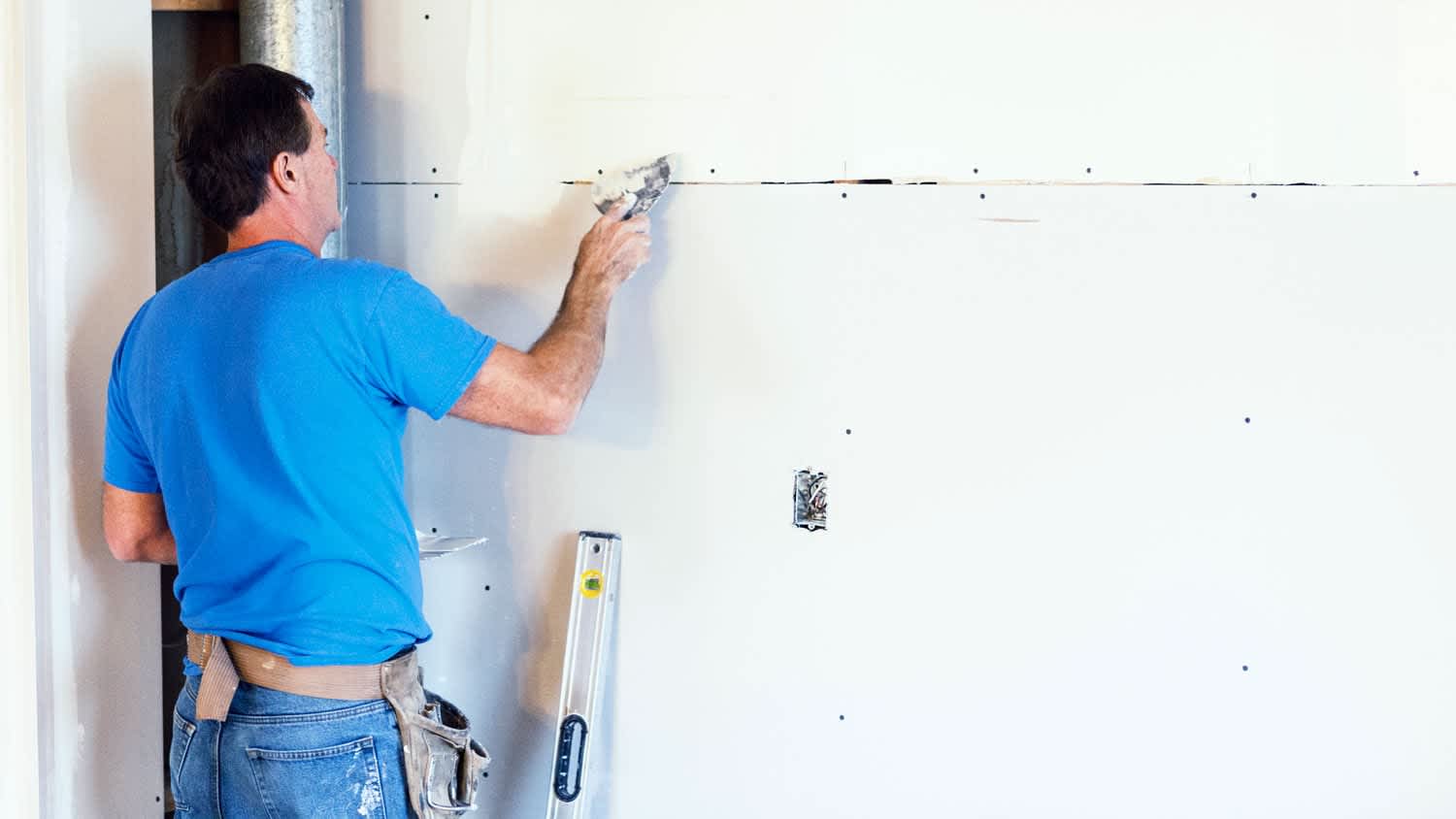
Thick gaps and extra joint compound can alter the look of drywall. So, should drywall be butt up against a wall? Review this guide for seamless installation.