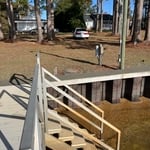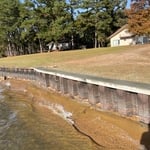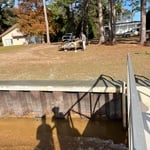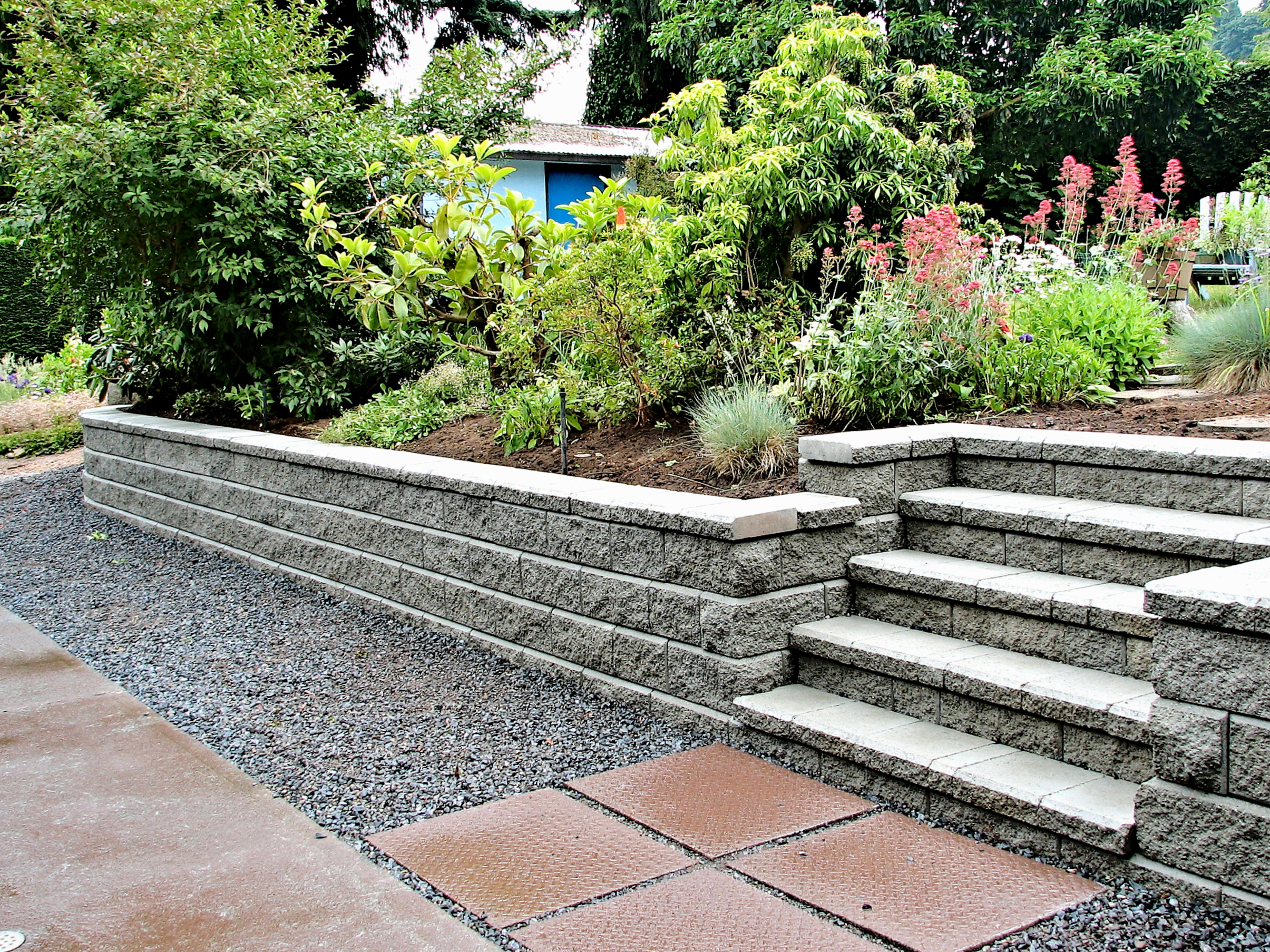








Top-rated retaining wall installation pros.

Get matched with top retaining wall installation pros in Blakely, GA

Enter your zip and get matched with up to 5 pros

Need a pro for your retaining wall installation project in Blakely, GA?

Select your specific project to find the pro for you.

Find Retaining wall installation pros in Blakely

Avatar for Charles Hooks
Charles Hooks
5.0(
1
)
Retaining Wall - Install

Serving Blakely, GA and surrounding areas

In business since 2017

Free estimates

Offers commercial services

We pride our company on reliability, great communication, integrity and quality work. We are experts in our concrete and paving and will do our best to keep you as educated as we can on your particular task or project. We look forward to working with you.

Plumbing and Driveway

+4

Response time2 days
Recommended by100%of homeowners
Mark Marsh Cement and Brick/Handyman
New to Angi
Retaining Wall - Install

Serving Blakely, GA and surrounding areas

In business since 2012

Free estimates

Emergency services offered

With years of experience in the construction industry, we are the experts you need to take care of your home or business. We handle all of your concrete and masonry needs with great care. We will treat your home as we would treat our own. Give Mark Marsh Cement and Brick/Handyman a call today, we look forward to working with you!\n

Showing 1-10 of 17
Retaining Wall Installers questions, answered by experts

Yes, to build a retaining wall, a permit is required. Similarly, any repairs or modifications to an existing retaining wall require permits. If the planned wall measures higher than 4 feet, most municipalities require designs and permits come through a licensed engineer. In some locations, if the wall is shorter than 4 feet, a permit may not be required. For the requirements in your area, contact your local government.

Generally speaking, a retaining wall should be between 3 and 4 feet high, depending on variables such as the wall-building material, the purpose of the retaining wall, and more. If you want your retaining wall to be taller than 4 feet, check with your local building ordinance office for the maximum allotment. You may also need a special permit for retaining walls over 4 feet tall.

Small retaining walls still require a foundation of some kind, typically a concrete footing. This helps to ensure the wall is structurally sound and prevents the ground from shifting over time, especially during those winter freeze/thaw cycles. The footing helps spread the weight of the wall and the load it carries over a larger area of the ground, thus assisting with stability. This is true of small retaining walls, larger rock garden walls, and the like. 

Regular inspection for issues like cracks or leaning and ensuring drainage stays clear.

Railroad ties can be good for retaining walls, but it depends on the area. They have a desirable rustic look and are durable. The problem is they’re treated with creosote, a preservative the EPA says poses a risk to humans and wildlife. Over time, the preservative seeps out of the wood and into the ground. Many areas have banned the use of creosote-treated wood on residential properties. If your area does allow it, never use railroad ties near an edible garden or drinking water source. Instead, use wood that’s treated with an EPA-approved preservative or a wood-alternative composite material.

The Blakely, GA homeowners’ guide to retaining wall installation services

From average costs to expert advice, get all the answers you need to get your job done.