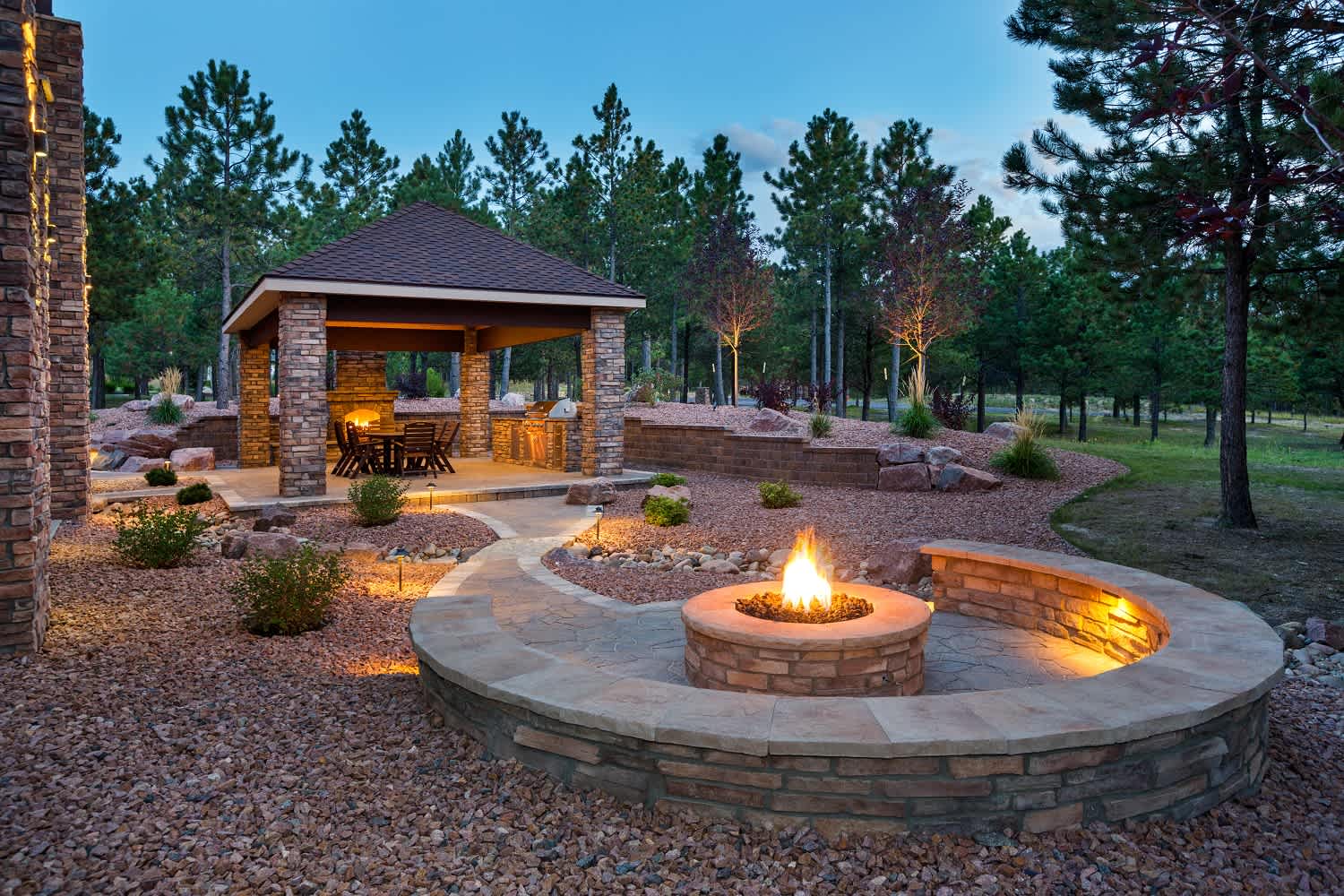







Top-rated fire pit installation pros.

Get matched with top fire pit installation pros in Union Park, FL

Enter your zip and get matched with up to 5 pros

Need a pro for your fire pit installation project in Union Park, FL?

Select your specific project to find the pro for you.

TRUSTED BY UNION PARK, FL HOMEOWNERS

  • Average homeowner rating star icon4.3
    Average homeowner rating
  • Verified reviews icon1.2k+
    Verified fire pit installation services reviews

Find Fire pit installation pros in Union Park

Fire Pit Installation questions, answered by experts

Chimney caps are necessary both from a building safety standpoint in most municipalities and to keep your home protected from a variety of issues. Chimney caps are not only mandated by building code in most areas, but they also serve to keep squirrels, raccoons, and other pests out of your home, as well as snow and rain. Therefore, they help to avoid property damage, making them a worthwhile investment.

Most homeowners put a layer of compact sand or gravel at the bottom of their firepit, but you can also choose more decorative options like fire-resistant paving stones, bricks, or fire pit glass. Dirt by itself can even work, but other materials do a better job of spreading the heat around.
There are several maintenance tips you should take to ensure your pellet stove's safety and proper maintenance. You should vacuum the ash pan every week to prevent overflowing and clean the stove and surrounding vents every three to four months. It’s also important to get a professional inspection every year and install a carbon monoxide detector close to your stove. Be sure to dispose of hot ashes in a closed metal container; store it outside, away from the house. Only use the pellets recommended by your stove's manufacturer, and follow any cleaning and maintenance instructions.

Depending on who’s doing the estimating, about 22,000 to 25,000 chimney fires happen each year in the United States. Given the fact that millions of Americans have fireplaces (and chimneys), that means chimney fires aren’t exactly common—but they’re not rare, either. Since they’re so dangerous, it’s important to take precautions to prevent them.

The damper, located just above the firebox, can open or close the chimney flue. The damper should remain closed unless there’s a fire burning in the fireplace. Closing the damper prevents energy loss through the chimney and cold air from seeping into the home during the winter. Opening the damper helps maintain airflow when there is a fire and prevents smoke and gases from venting into the house.

The Union Park, FL homeowners’ guide to fire pit installation services

From average costs to expert advice, get all the answers you need to get your job done.