





Is your shower or sink drain blocked? Get tips for how to unclog a drain, and learn about drain cleaning costs in Orlando, FL.

 4.4
 1.1k+
*The Angi rating for Garbage And Waste Removal And Hauling companies in Saint Cloud, FL is a rating based on verified reviews from our community of homeowners who have used these pros to meet their Garbage And Waste Removal And Hauling needs.
*The HomeAdvisor rating for Garbage And Waste Removal And Hauling companies in Saint Cloud, FL is a rating based on verified reviews from our community of homeowners who have used these pros to meet their Garbage And Waste Removal And Hauling needs.
Last update on October 09, 2026
From average costs to expert advice, get all the answers you need to get your job done.
Is your shower or sink drain blocked? Get tips for how to unclog a drain, and learn about drain cleaning costs in Orlando, FL.
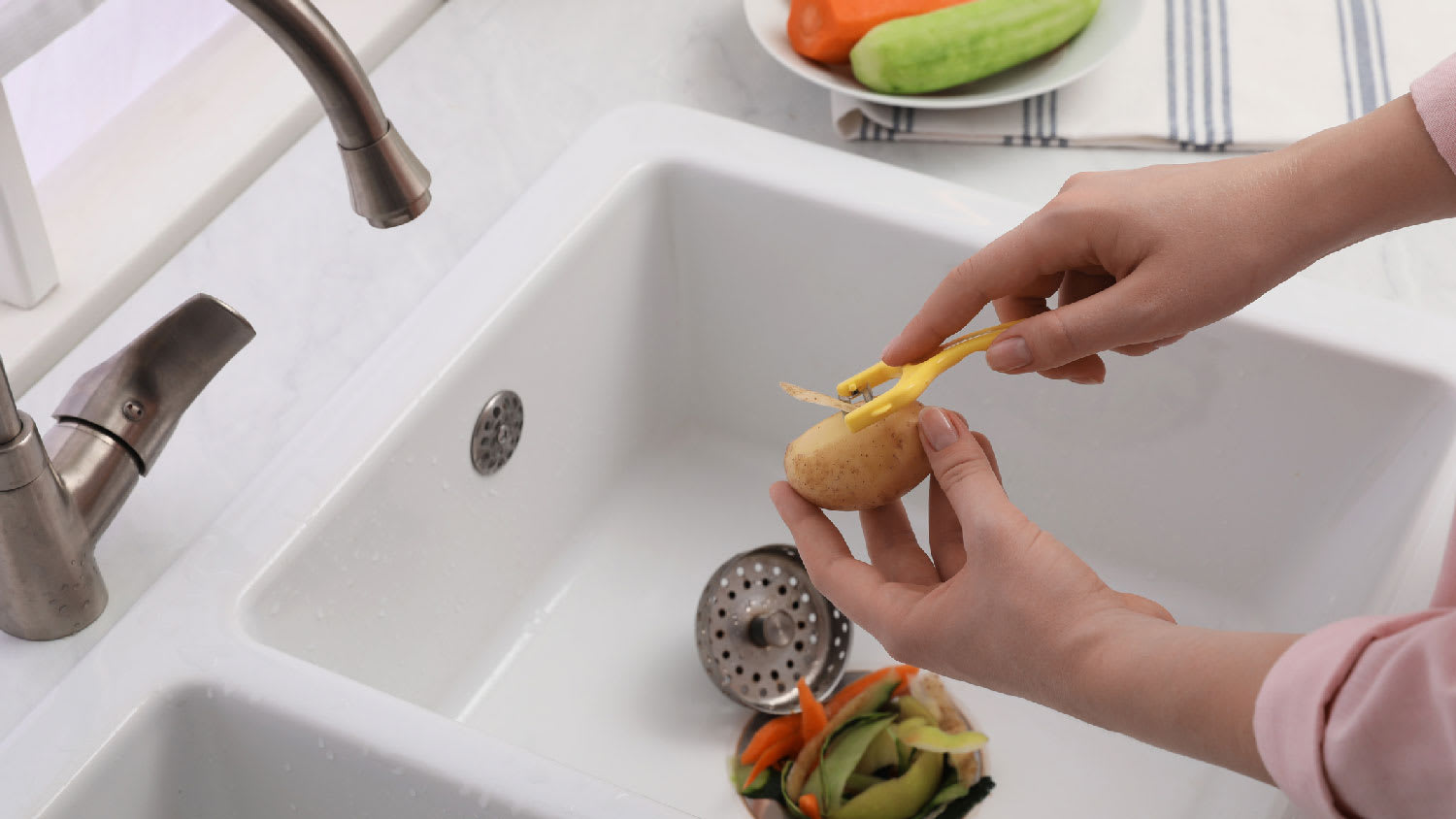
Garbage disposal repair costs depend on the specific issue, but you can save money if you DIY. Read on to learn which problems you can fix yourself and which require a professional.

Garbage disposals last five to 10 years, and replacement is preferred over repairs. Here’s everything you need to know about replacing your garbage disposal.

When a garbage disposal stops working, you’ll need to call in a pro for help. Find the right person for the job with this guide to who fixes garbage disposals.
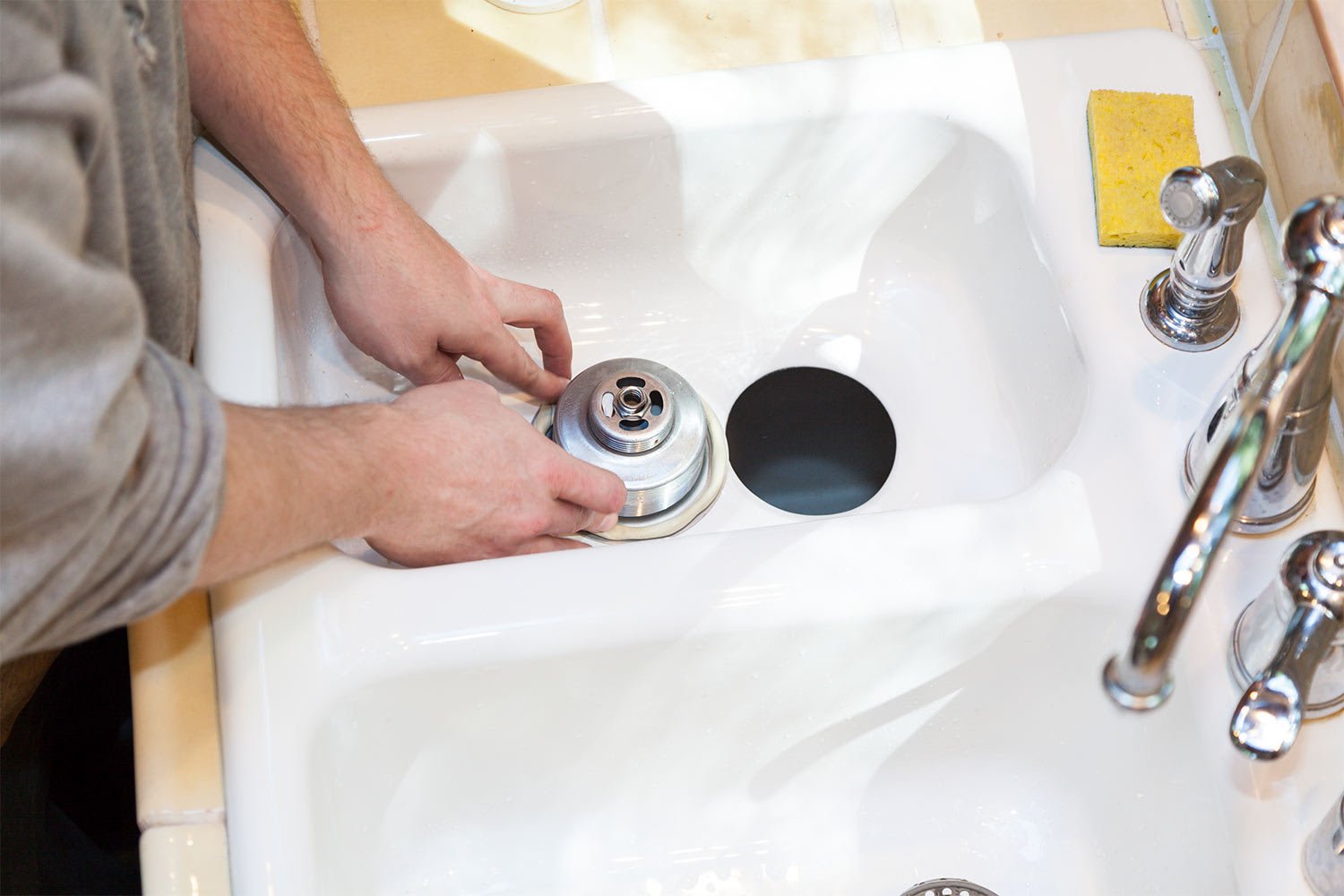
Not sure when to replace your garbage disposal? Learn more about signs like clogs, leaks, and bad smells that may mean it’s time to repair or replace your unit.

If your garbage disposal is leaking from the bottom, it could be the connections, sink flange, or more. Keep reading to find out why your disposal is leaking.