




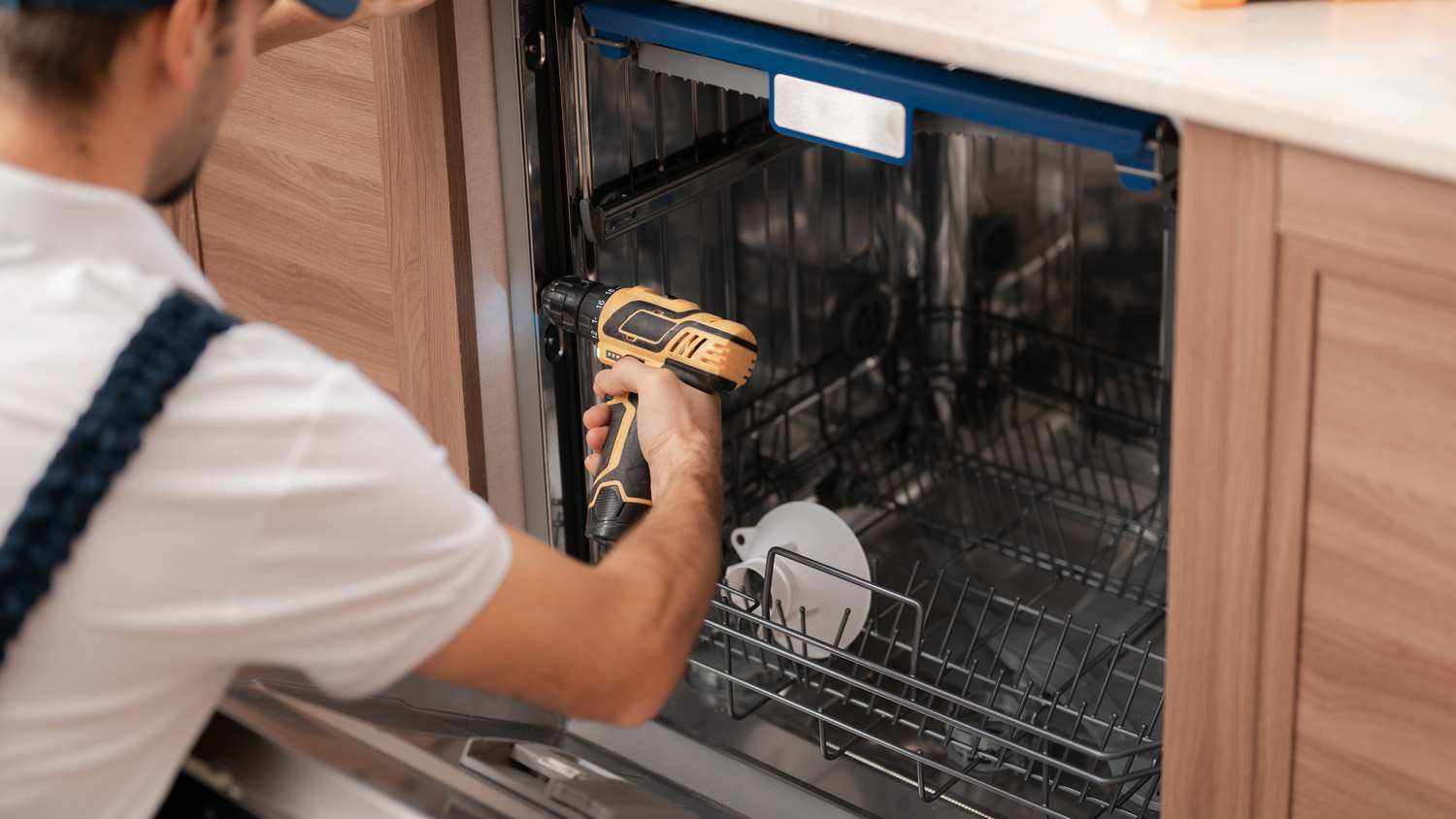
Top-rated dishwasher installation pros.

Get matched with top dishwasher installation pros in Juno Beach, FL

Enter your zip and get matched with up to 5 pros

Need a pro for your dishwasher installation project in Juno Beach, FL?

Select your specific project to find the pro for you.

TRUSTED BY JUNO BEACH, FL HOMEOWNERS

  • Average homeowner rating star icon4.4
    Average homeowner rating
  • Verified reviews icon695
    Verified dishwasher installation services reviews

Find Dishwasher installation pros in Juno Beach

No results for Dishwasher installation pro in

Try adjusting your search criteria.
Dishwasher Installation questions, answered by experts

It might be time to buy a new dishwasher for your kitchen if you consistently notice a significant amount of water left over after a cycle, indicating potential drainage issues that are becoming persistent or costly to fix. Visible rust, especially on the interior tub or racks, suggests internal corrosion that will likely worsen over time and can compromise cleaning performance. Additionally, if your dishes are coming out excessively hot after the drying cycle, it could point to a malfunctioning heating element or thermostat, which can be an energy inefficiency and a potential safety concern, making replacement a feasible choice.

A dishwasher filter should be replaced every five years, depending on the manufacturer's recommendations and the frequency of use. The exact timing can vary based on factors such as the hardness of your water, how well you rinse dishes before loading them, and how often you clean the filter. Regularly inspect the filter for signs of wear and tear or damage. If the filter appears worn out, damaged, or excessively clogged despite regular cleaning, it should be replaced sooner.

Your dishwasher drains through a hose that attaches to the plumbing below your sink or snakes out the back of your machine. In most cases, you can access one side of the hose from below your sink, as it usually ties into the same drainline that your sink uses. Otherwise, you may need to pull the dishwasher out of the counter to access it.

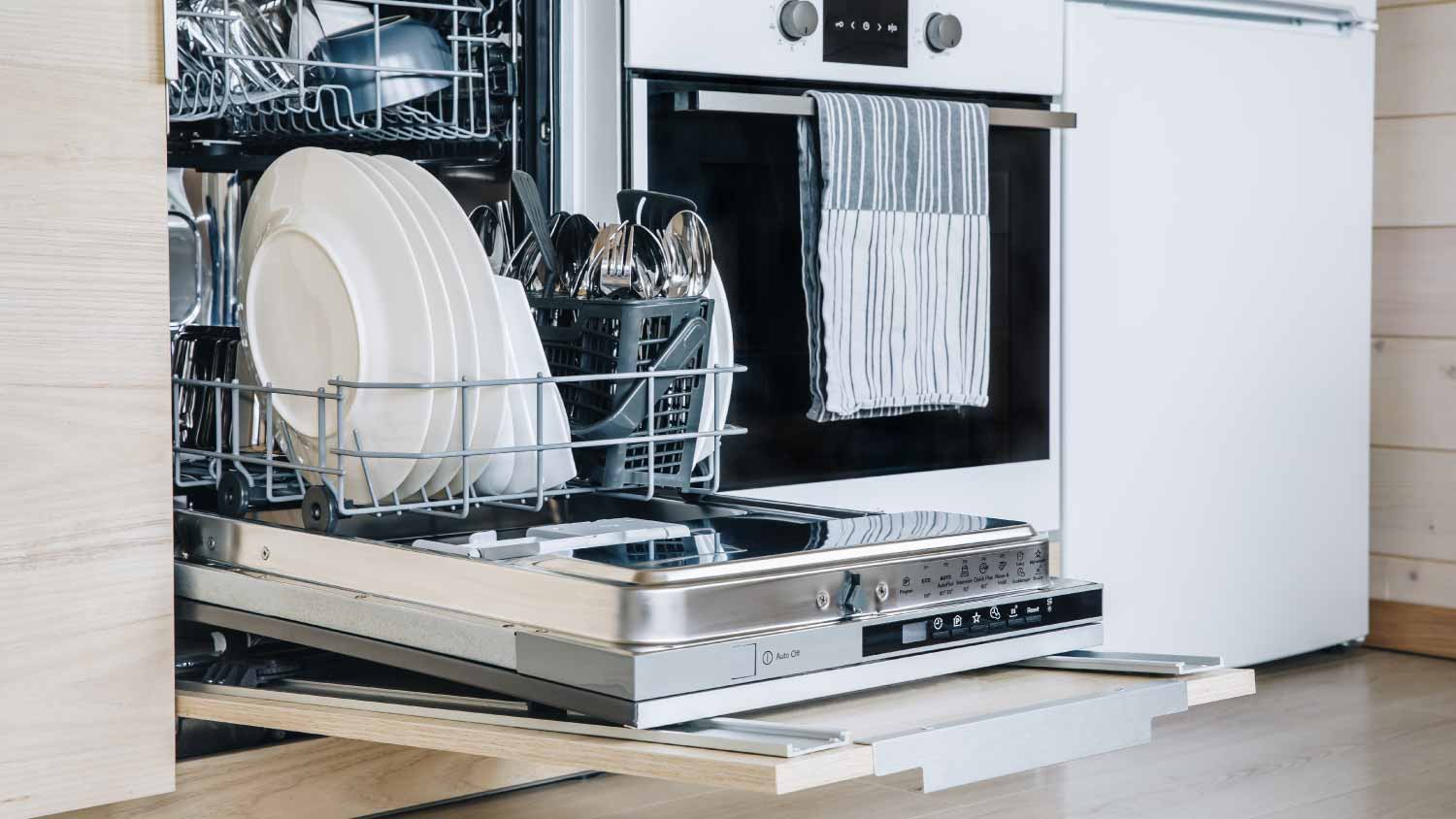
Installation includes leveling the unit, connecting water and electrical lines, securing the unit, and testing for function and leaks.

You should avoid using a pressure washer on any surface or item that could be damaged by the high-pressure spray, as some materials are too delicate to withstand the force.

Key items and surfaces to avoid include:

  • Electrical Components: Never pressure wash electrical systems, as water can cause short-circuits and create a safety hazard. This includes utility meters, breaker boxes, electrical outlets, generators, and HVAC or air conditioner units.

  • Delicate and Fragile Materials: Fragile items can crack, shatter, or be stripped by the pressure. Avoid pressure washing windows, glass, light fixtures, shingled roofs (especially asphalt), and stucco.

  • Painted, Stained, or Sealed Surfaces: Unless your goal is to strip the finish, do not pressure wash painted surfaces, stained wood (like decks), or anything with a protective seal that could be stripped away. Be especially cautious with older surfaces that may contain lead paint.

  • Soft Woods and Certain Decking: Delicate surfaces like softwood, composite decking, and antique or wooden patio furniture can be etched or damaged. If you must wash wood, use a lower-powered pressure washer with a wide-angle nozzle to prevent damage.

  • Living Things: Never use a pressure washer on people, pets, or plants. The force can cause serious injury and will destroy landscaping.

The Juno Beach, FL homeowners’ guide to dishwasher installation services

From average costs to expert advice, get all the answers you need to get your job done.