
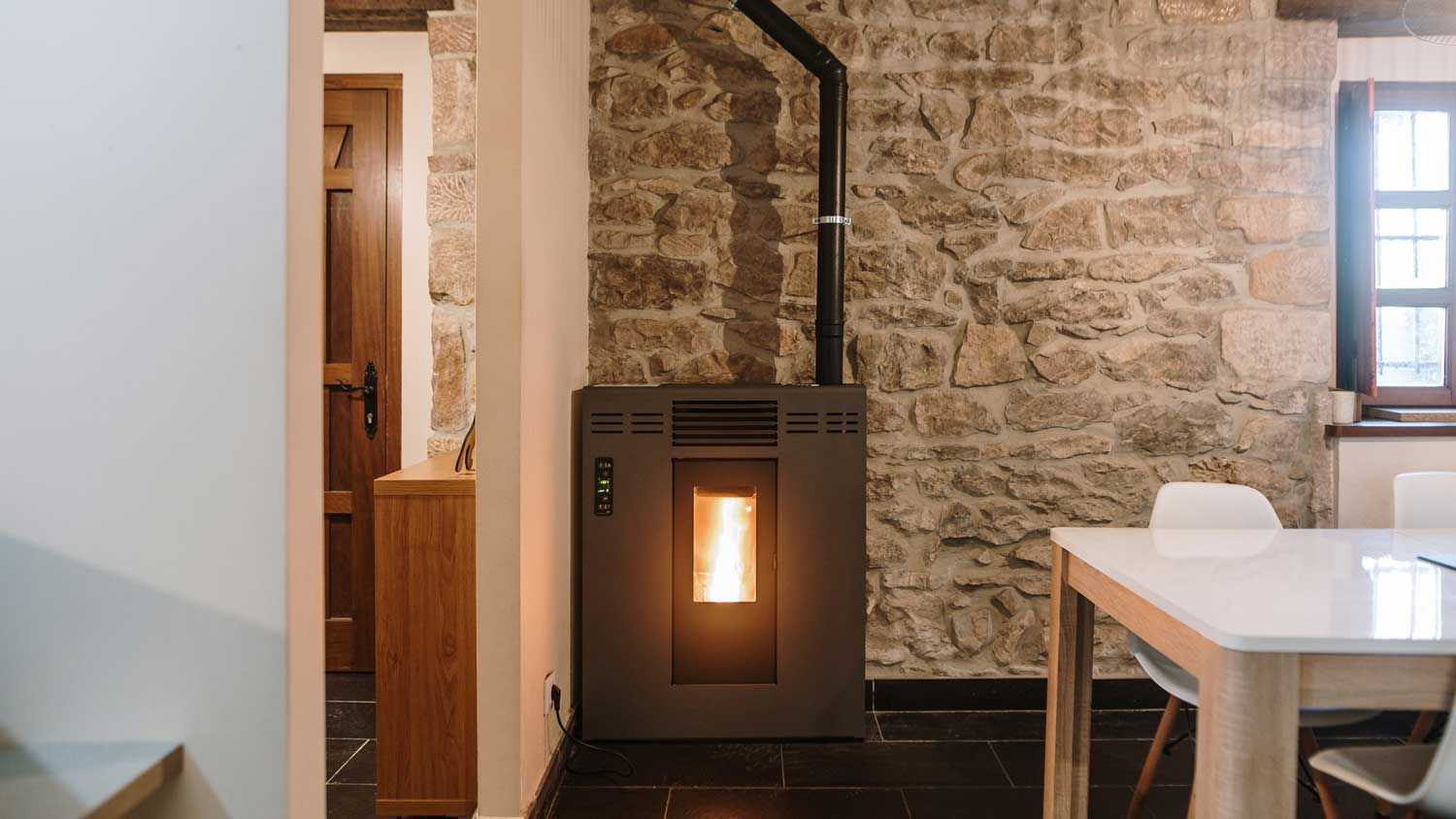
Looking to keep warm this winter without the high utility bills? Use this pellet stove installation cost guide to see what a natural heating solution will cost.
Heat your home with style and efficiency

Installing a pellet stove insert in your existing fireplace requires a chimney liner, proper measurements, and electrical connections to power the thermostat and blower.
Expect to pay $800 to $5,000 for the pellet stove itself and $200 to $2,000 for professional installation, depending on your home's setup and venting needs.
Your pellet stove needs proper venting to the outdoors through either a wall thimble or roof connection to safely expel carbon monoxide and combustion exhaust.
Hiring a local wood stove repair professional keeps your installation safe and code-compliant, especially when cutting roof openings or installing chimney liners and electrical circuits.
There are several choices for heating your home with wood fuel. A pellet stove is one of the easier options to use and maintain. Installing a pellet stove requires extra care to avoid problems, and the project is difficult enough to be out of reach for most DIYers. However, learning how to install a pellet stove is an excellent way to help you make informed decisions when choosing your stove and hiring your contractor.

A pellet stove is an alternative to traditional home heating methods. Pellet stoves and fireplaces have little in common despite their apparent similarities. A fireplace burns raw wood and is at least partially open to the indoor air. A pellet stove, on the other hand, only burns processed pellets containing wood and other organic compounds in a sealed compartment that doesn’t allow interaction with the indoor air. You can also control the heat output by adjusting the pellet stove’s thermostat, unlike a fireplace that offers little heat control.
Pellet stoves combust the wood fuel more thoroughly for higher efficiency and produce none of the campfire smell of a fireplace. Additionally, many pellet stoves come with blower fans that can distribute the heat throughout the space better than a conventional wood-burning fireplace. Some models can work with your home’s existing ductwork to warm the whole house.
Pellet stoves are available in various sizes, ranging from small enough to heat just a single room to large enough to provide heating to the entire house. The three main types of pellet stoves are freestanding, wall-mounted, and fireplace inserts.
Before purchasing and installing a pellet stove, you’ll want to get answers to a few questions. First, determine how you’ll use your pellet stove. Will it function as supplemental heat for your existing HVAC, or do you want it to be the source for all your heating needs?
The answer to that question will help you answer the next question: How much heat or BTUs must the stove provide? Finally, you and your contractor will need to choose a type of pellet stove, create a plan for venting its exhaust, and obtain a building permit from your municipality.
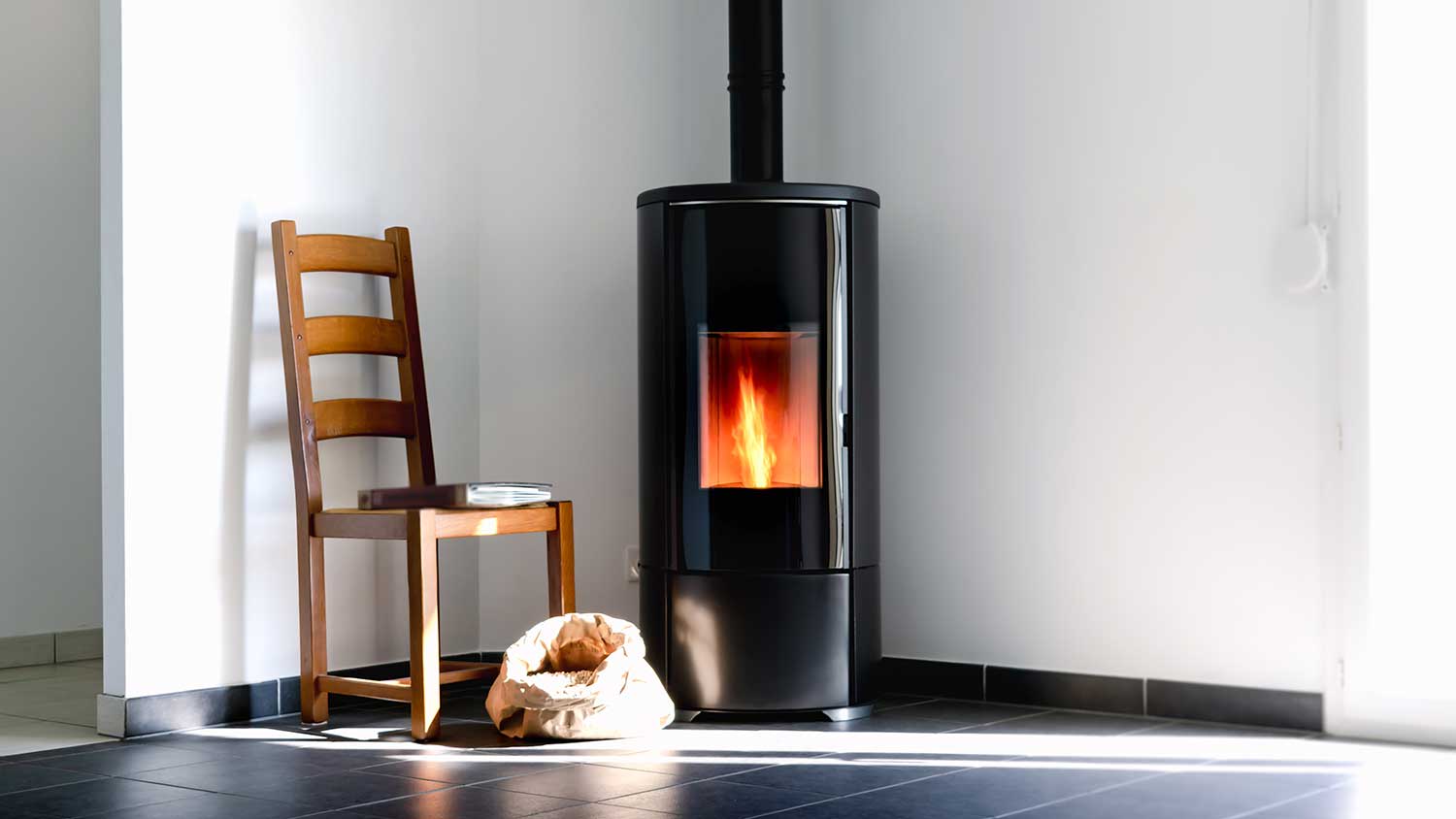
As you may have already guessed, a freestanding pellet stove stands on its own instead of on a wall or in an existing fireplace. Freestanding pellet stoves take up floor space but are the most versatile type in terms of size and capability.
Pellet stoves require electricity to operate their thermostats and blowers, if yours has one. Install an electrical supply circuit to power these functions. Small stoves may be battery-operated, in which case you can go to the next step.
If your stove will rest on a combustible surface such as carpet or wood flooring, install a fireproof hearth or pad. Consult your stove's wall and other clearance requirements to determine its location. Use tile, stone, or another non-combustible material for your hearth. Otherwise, you can purchase a factory-built pad.
Your stove needs to vent to the outdoors. You may have to vent it through the roof, depending on the stove’s location and local code. If this is the case, call in a pro instead of trying to make a hole in your roof.
Create a hole in the exterior wall according to your venting ducts and wall thimble specifications. Install the wall thimble through the interior and exterior walls. Then, insulate and insert the vent pipe into the thimble. Next, you should install any additional exterior venting pipes according to your installation plan.
Secure the vent cap on the end of the vent pipe. Cut another hole through the wall and install the return-air vent at least 1 foot away from the exhaust cap.
Sound confusing? That’s because it’s a complicated process. If you’re scratching your head just reading these steps, it’s time to call in a pro to take over.
Back in the house, connect the exhaust pipe and fresh-air intake to the stove.
Make the electrical connections to the stove. Double-check that there is no power going to the wires you’re working on before you start. If you don’t have experience working with wires and electricity, put down the tools and call a professional.
Seal the intake vent edges with silicone caulk where it meets the drywall.
Wall-mounted pellet stoves are smaller units that vent directly to the outdoors through a hole in the wall behind the appliance.
Install a non-combustible floor protector below the stove’s final location to ensure that spilled embers don’t cause a fire.
Determine and mark the wall location of the stove. Most models require at least 18 inches of clearance between the stove and the ceiling and 6 inches from the stove to the nearest wall. Call a professional if you’re unsure of local regulations.
Run the electrical wiring to power the stove’s thermostat and blower. Make sure there is no power going to the wires you’re working on. If you’re not sure, step away from the wires and hire an expert.
Mount the stove’s installation plate to the wall studs.
Cut a vent hole to accommodate the wall thimble, allowing at least 2 feet of clearance from the ground to the exhaust. Install the thimble and insert the vent pipe with insulation around it inside the thimble. Extend the pipe at least 6 inches beyond the exterior siding.
Finally, you can secure the vent cap.
Mount the pellet stove onto the wall plate and connect the vent.
Connect the electrical circuit. If something looks wrong at this stage or you’re not sure if your connections are right, call in a pro to finish the job, and do not attempt to use your stove.
There are many types of fireplace inserts, including ones for pellets. Installing a pellet stove insert starts with determining if your chimney requires a liner to accommodate your stove. Consult your municipality for rules regarding pellet stoves and have a professional evaluate your chimney construction and condition.
Carefully measure your fireplace to determine the correct stove insert size.
Remove ashes and wood with a shovel and sweep up anything left over. Scrub the fireplace with a stiff brush dipped in a mixture of cleaner and warm water. Cleaning a fireplace can be a labor-intensive project, so consider hiring a professional for this part.
Install the necessary electrical circuit to your new stove. If it’s battery-operated, you can skip this step.
Flatten out the liner, attach liner insulation, and use spray adhesive to stick the liner to the inside of the chimney in 1-foot-long segments. Installing a flue liner is a step you really don’t want to get wrong, so consider hiring a pro, instead.
Now that you have a clean and prepped surface, you can push the stove into place. If your measurements were correct, this should be simple. If the stove doesn’t fit or is way too small for the space, call a fireplace pro for assistance.
Plug your stove into a standard outlet. If you plug in your stove and something isn’t quite operating correctly, unplug the stove and reach out to an expert for next steps.
If you have any decorative trim, now is the time to nail that into place around your new pellet stove. After that, you can sit back and enjoy the warmth.

Maintaining a pellet stove is simple but crucial to keep it functioning efficiently. During the heating season, remove ash and give your stove a once-over cleaning. Avoid burning low-quality pellets to keep soot and ash to a minimum. Once a year, or after burning 2,000 pounds of pellets, hire a local wood stove professional to perform a thorough inspection and give your stove a deep cleaning.

Hiring a local wood stove installer to install your pellet stove is the best choice because it ensures a safe installation and avoids any warranty issues that could arise from putting it in yourself. Hiring a professional to install a pellet stove also gives you confidence that you have the correct size stove and the necessary components to maximize the efficiency benefits.
A pellet stove costs $800 to $5,000, while installation adds another $200 to $2,000 to the project, depending on the installation complexity. Pellet stove inserts often require the installation of a chimney liner, which can add significantly to the overall price. As always, speak with at least three contractors to get a better idea of pricing for your specific needs and situation.
Positive experience. As previously stated, the replacement/repair could not be completed (no fault of the plumbing tech) b/c misinformation was rec?d by property management maintenance. Thanks to the plumbing tech for your efforts. Appreciate you!
 The Waterworks
Carpet repair done well. Scheduling was easy. Showed up on time.
 BR Flooring Installation
As usual with ECO, tech Jordan was outstanding, very professional, very knowledgeable, and very thorough with repairs made to tankless water heaters. Very highly recommend ECO!!!
 Eco Plumbers, Electricians, and HVAC Technicians
I would recommend this company to anyone! He showed up on time, was friendly, completed a very difficult repair on our dryer vent cover, was responsive, and pricing was extremely fair and competitive. I would have him back to do any of our repairs or cleanings without hesitation!
 U.S.A. Dryer Vent, LLC
Everything from initial contact to completion was absolutely top notch. We contacted the business during off hours to leave a message, and the owner still reached out to feel out the issue within minutes. We were scheduled and repaired within 48 hours. I cannot say enough about the...
 Supreme brick & chimney
Ace Fireplace Services came to the rescue for my chimney repair. They were quick to pinpoint the issue and worked their magic to fix it. My chimney is now in excellent shape, and I'm a satisfied customer.
 Ace Fireplace Services
On Sunday 2/26 I requested quotes via Angi from 4 refrigerator repair businesses. Northwest Appliance responded to me Monday morning (2/27) and my refrigerator was repaired by noon the same day. Great communication, they did everything they said they would. The technician had the parts on...
Excellent! We were very satisfied with the service provided and the entire experience from start to finish. Very friendly and professional staff. I was able to instantly get in contact with them for a quote and the response time and overall communication remained quick and easy throughout the...
 Prime Cleaning Service
Description says they handle window repair including rotten hardwood - they called me back right away but didnâ t leave a voicemail. I followed up 3 days later and they said they donâ t do that kind of work.
 Window-Gurus
I needed reliable, affordable help the day of with moving a couple of appliances and misc items. It was a relief to hear back from Tanzillo almost instantly that morning so I could stop looking and move on to plan and prepare. Every part of the move was friendly and professional. Next time I...
 Tanzillo Concrete & Landscape
From average costs to expert advice, get all the answers you need to get your job done.
Looking to keep warm this winter without the high utility bills? Use this pellet stove installation cost guide to see what a natural heating solution will cost.
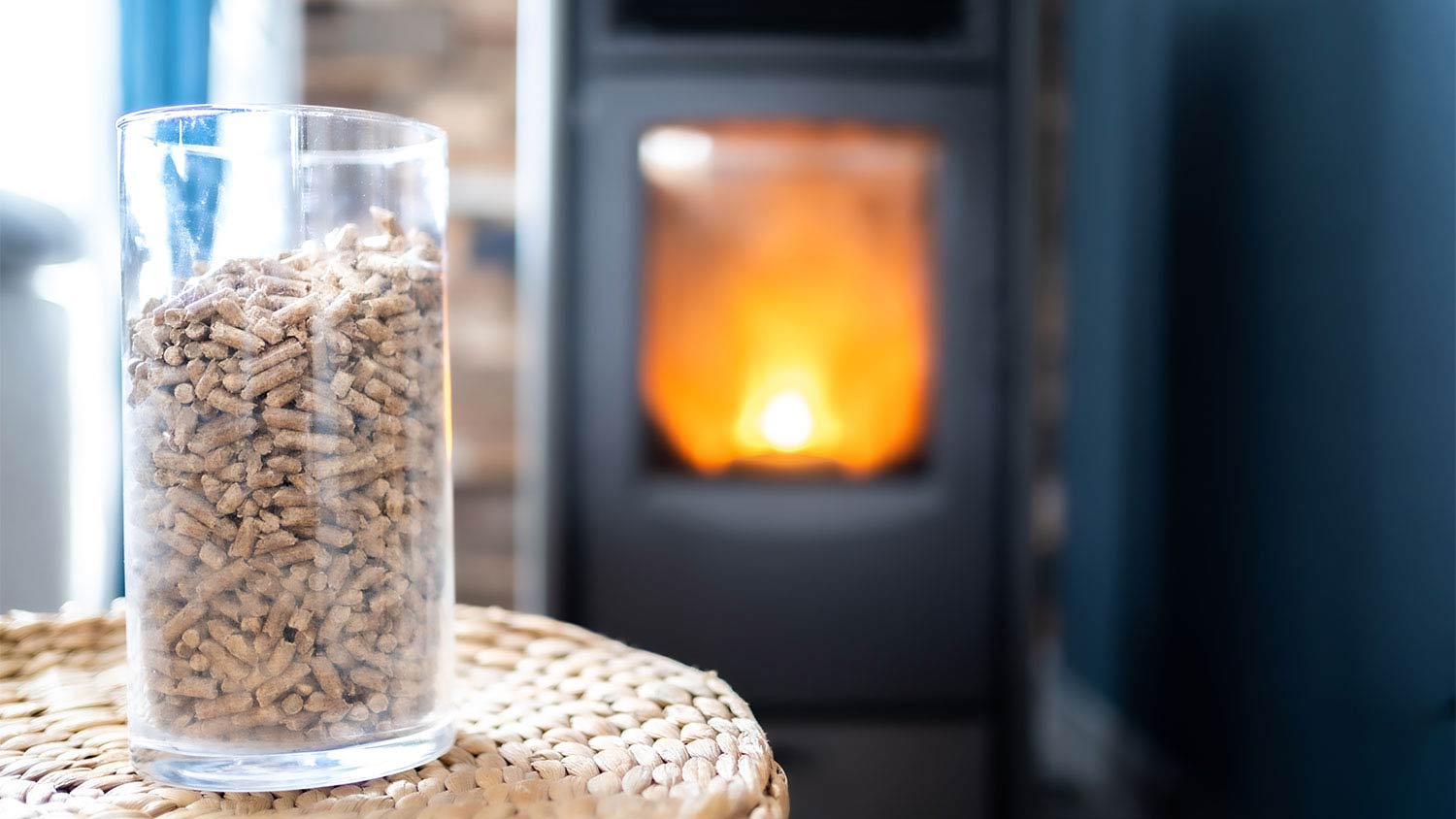
Discover wood pellet cost estimates, including price per ton, bag, and key factors that impact your total heating expenses.
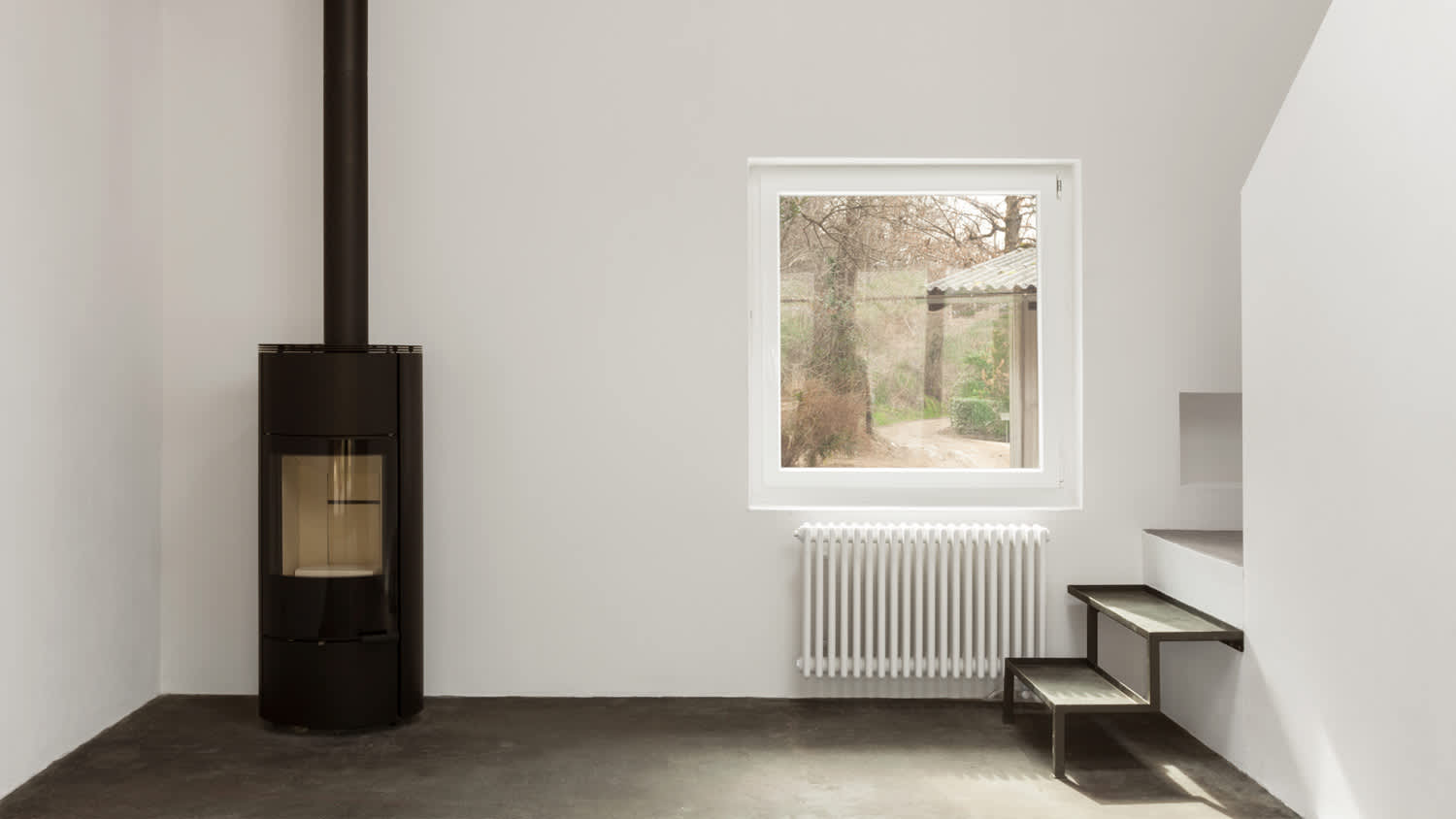
A pellet stove is an energy-efficient heat source. It can be a DIY project, but installation is technical and there are safety concerns, so it is best left to a professional.
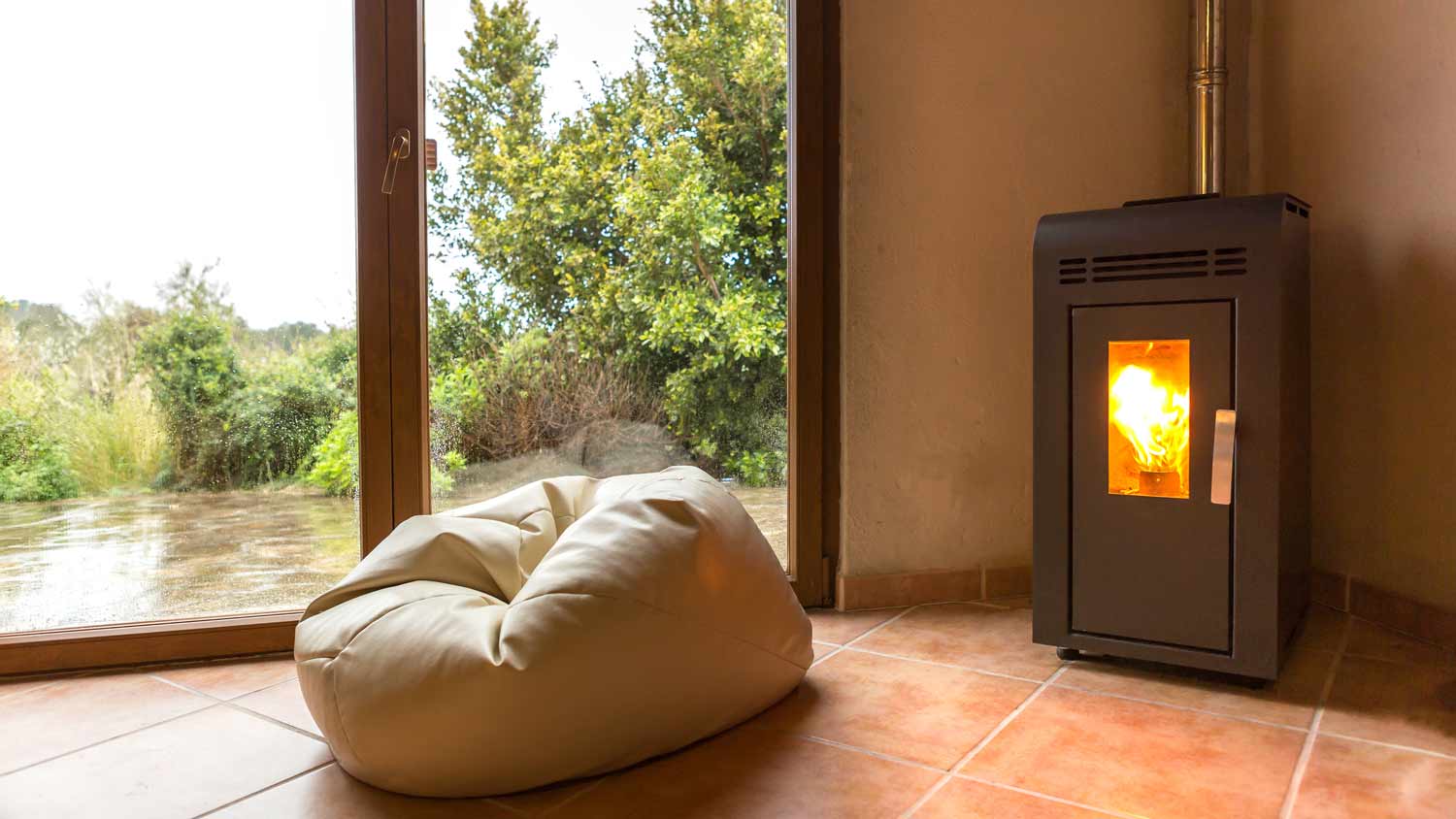
Do pellet stoves need a chimney? No, but they do need ventilation. Here’s how to vent a pellet stove with our without a chimney and the cost of pellet stove flues.
Are pellet stoves safe? Yes, as long as you ensure they’re properly installed, maintained, and inspected. Here’s how to stay safe with a pellet stove.
Want to add an efficient supplemental heat source? Learn about wood pellet and gas stove installation, average costs, safety tips, and how to hire a pro.