Top-rated leaf removal pros.

Get matched with top leaf removal pros in Greenville, FL

Enter your zip and get matched with up to 5 pros

Need a pro for your leaf removal project in Greenville, FL?

Select your specific project to find the pro for you.

Find Leaf removal pros in Greenville

Avatar for Southern Acres Lawn Service
Southern Acres Lawn Service
5.0(
2
)
Lawn & Yard Waste Clean UpLawn Care - Fall / Spring Clean Up - For BusinessLawn Care - Maintain and Mow a Lawn

Serving Greenville, FL and surrounding areas

Approved

In business since 2024

Free estimates

Credit card accepted

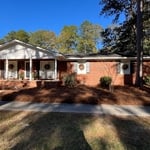
"⭐️⭐️⭐️⭐️⭐️ Southern Acres did an amazing job hanging our outdoor Christmas lights this year! They were incredibly professional, easy to work with, and went above and beyond for us. Not only did they make our office look festive and beautiful, but they also cleaned our gutters while on site and even ran to the store to grab the power cord we needed to finish the setup. That kind of service is hard to find these days. We’ll definitely be using them again—highly recommend! 🎄✨"
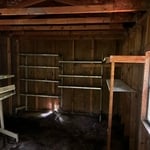
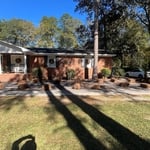
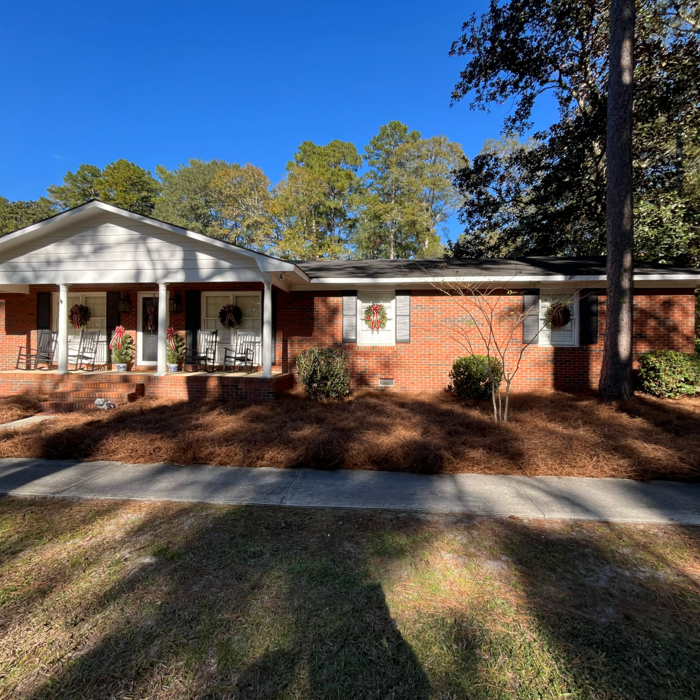
Re-straw flower beds
Additional Photos

+5

Response time3 days
Response rate100%
2 neighbors recently requested a quote
...
Showing 1-10 of 121
Leaf Removal questions, answered by experts

The best disposal method for hazardous waste is recycling or donation, if possible. That way, the world can reduce its consumption of raw materials and the volume at which materials have to be treated and disposed of. If recycling or donation is not an option, most waste can be disposed of through landfills or incinerators, but their collection and treatment are separate from regular day-to-day waste disposal. 

According to the Environmental Protection Agency (EPA), hazardous waste is generally classified into four main categories:

1. Characteristic Wastes: These exhibit at least one of four hazardous traits: ignitability (flammable, like gasoline), corrosivity (can rust or decompose materials, like car batteries), reactivity (unstable and can explode, like aerosol cans), or toxicity (harmful when ingested, like lead-based paint).

2. Listed Wastes: These are specific wastes from manufacturing and industrial processes that the EPA has officially designated as hazardous. They include byproducts from processes that use solvents, pesticides, and other chemicals.

3. Universal Wastes: These are commonly generated hazardous items that are subject to streamlined regulations. Examples include batteries, pesticides, mercury-containing equipment (e.g., bulbs), and some lamps.

4. Mixed Wastes: This category includes waste that contains both hazardous and radioactive components, making it subject to regulation by both the EPA and the Nuclear Regulatory Commission.

Hazardous waste is waste that poses a threat to human or environmental health. This generally refers to waste that is flammable, corrosive, toxic, or reactive. To confirm if the waste you need to remove is considered hazardous waste, contact your local hazardous waste facility.

No. Standard homeowners insurance does not cover any kind of lead remediation, focusing instead on sudden, unpreventable events like fires and theft. Many insurance companies will specifically exclude lead paint removal, since it tends to be an expensive and unavoidable project. The exception is if the lead surface is damaged during a covered event (like a flood) and homeowners insurance pays its replacement.

Chlorine has a shelf life of between six months and several years, depending on its type and formulation. Liquid chlorine can often lose its effectiveness in just a few weeks. Pool owners can find themselves with overstock that they need to get rid of. The best way to dispose of excess chlorine is to take it to a hazardous waste collection site and let the pros handle it.  

The Greenville, FL homeowners’ guide to leaf removal services

From average costs to expert advice, get all the answers you need to get your job done.