







Top-rated deck staining pros.

Get matched with top deck staining pros in Fruitland Park, FL

Enter your zip and get matched with up to 5 pros

Need a pro for your deck staining project in Fruitland Park, FL?

Select your specific project to find the pro for you.

TRUSTED BY FRUITLAND PARK, FL HOMEOWNERS

  • Average homeowner rating star icon4.6
    Average homeowner rating
  • Verified reviews icon203
    Verified deck staining services reviews

Find Deck staining pros in Fruitland Park

...
Showing 1-10 of 448
Deck Staining questions, answered by experts

Generally, these steps are included in exterior house painting:

  • Prepping and protecting the areas not being painted

  • Scraping away loose paint

  • Cleaning off dirt, grease, and debris

  • Caulking gaps and openings

  • Priming with a quality paint primer

  • Painting the prepared areas, including trim and accents with chosen paint finish

  • Adding a second coat

  • Cleaning up the site and disposing of tape, plastic, and drop cloths

Limewash and whitewash are two techniques used to give brick a light, matte finish, but they differ in composition, application, and permanence. The best choice depends on your aesthetic goals and the specific surface.

Composition

  • Limewash: A natural and environmentally friendly option made from limestone, water, and sometimes pigments. It is breathable and soaks into porous surfaces like brick.

  • Whitewash: Traditionally made from lime, water, chalk, and binders, but a similar look can be achieved with watered-down white paint. It is paint-based and sits on top of the surface.

Appearance and Finish

  • Limewash: Provides a natural, textured appearance that allows the brick's character to show through. It offers a more traditional finish.
  • Whitewash: Creates a softer, more opaque finish, often used for a rustic or shabby-chic style.

Application and Permanence

  • Limewash: Is semi-permanent and can be removed, making it a good choice if you might want to change the look in the future. It requires more skill to apply and cannot be used on previously painted brick.

  • Whitewash: Is a more permanent solution. It is more forgiving to apply and can be used on painted brick. However, because it sits on the surface, it can trap moisture.

Ultimately, if you want a breathable, natural, and reversible finish for unpainted brick, limewash is a great option. If you need a more permanent, opaque coating that can be applied over painted surfaces, whitewash is the better choice. Whitewashing may also be more economical, costing approximately $1.40 to $4.20 per square foot.

DIY is possible but presents risks of uneven surfaces or improper adhesion; professionals offer expertise to ensure a lasting finish.

There are more pros than cons when staining a deck. Deck stain is more affordable than paint, it protects the wood and allows the natural textures to shine through, and it can revive the appearance of your home. However, deck stain also requires prep work (sometimes days or more), carries more upkeep than a painted deck, and can fade over time if not cared for. 

Yes, you must thoroughly clean your deck before staining. If you don't, dirt, debris, grease, and mildew can get trapped between the wood and the new stain. This not only looks unsightly but also prevents the stain from penetrating the wood properly, reducing its ability to protect the deck from weather and UV rays. As a result, the stain won't last as long or look as good. Any existing mold or mildew left untreated can continue to grow beneath the new stain, potentially leading to wood rot and structural damage. Always wait at least 48 hours after cleaning for the wood to dry completely before applying stain.
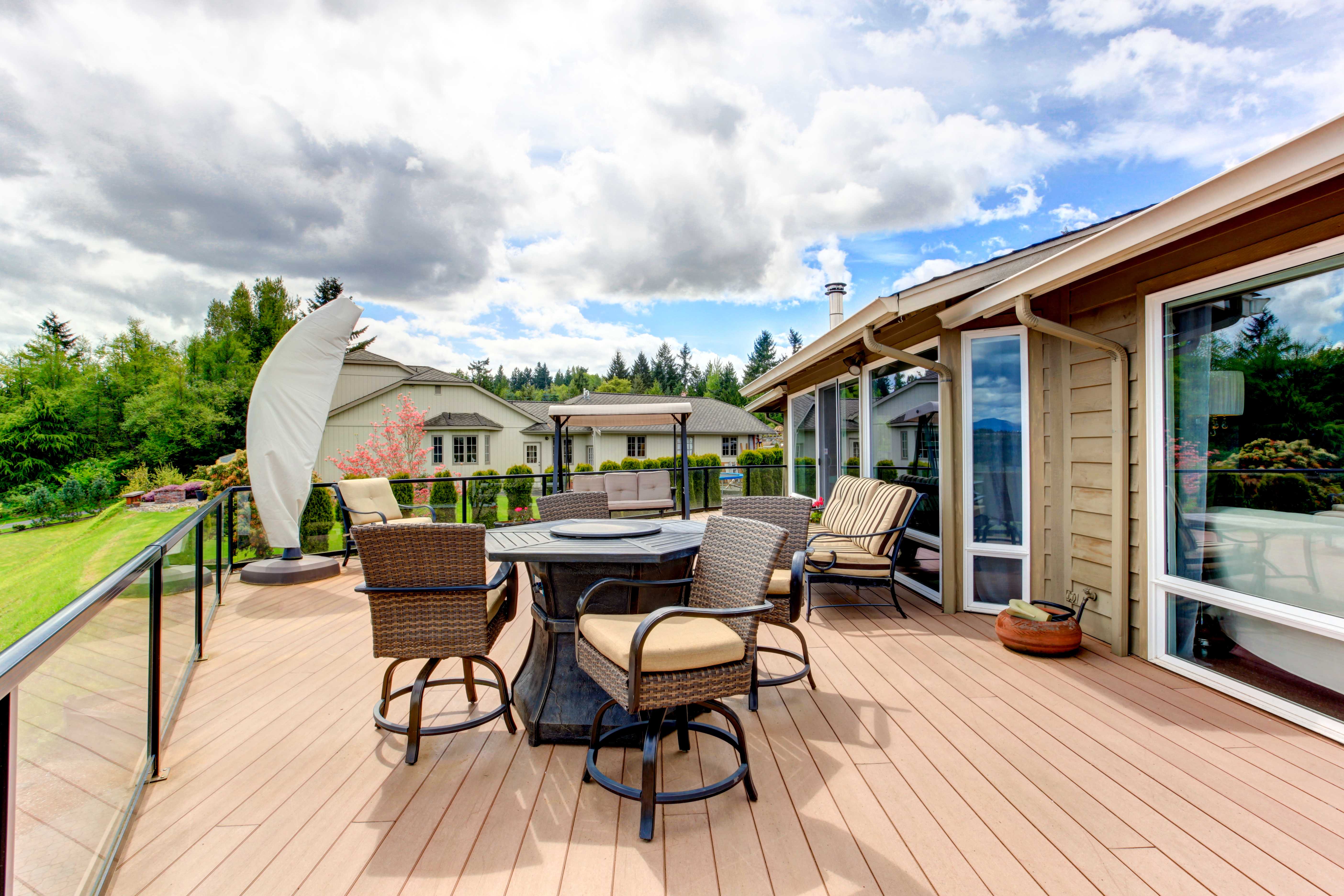
The Fruitland Park, FL homeowners’ guide to deck staining services
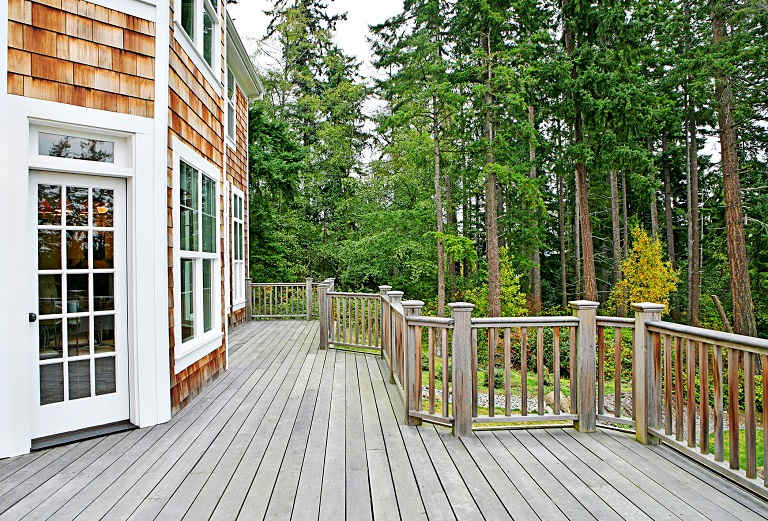
From average costs to expert advice, get all the answers you need to get your job done.