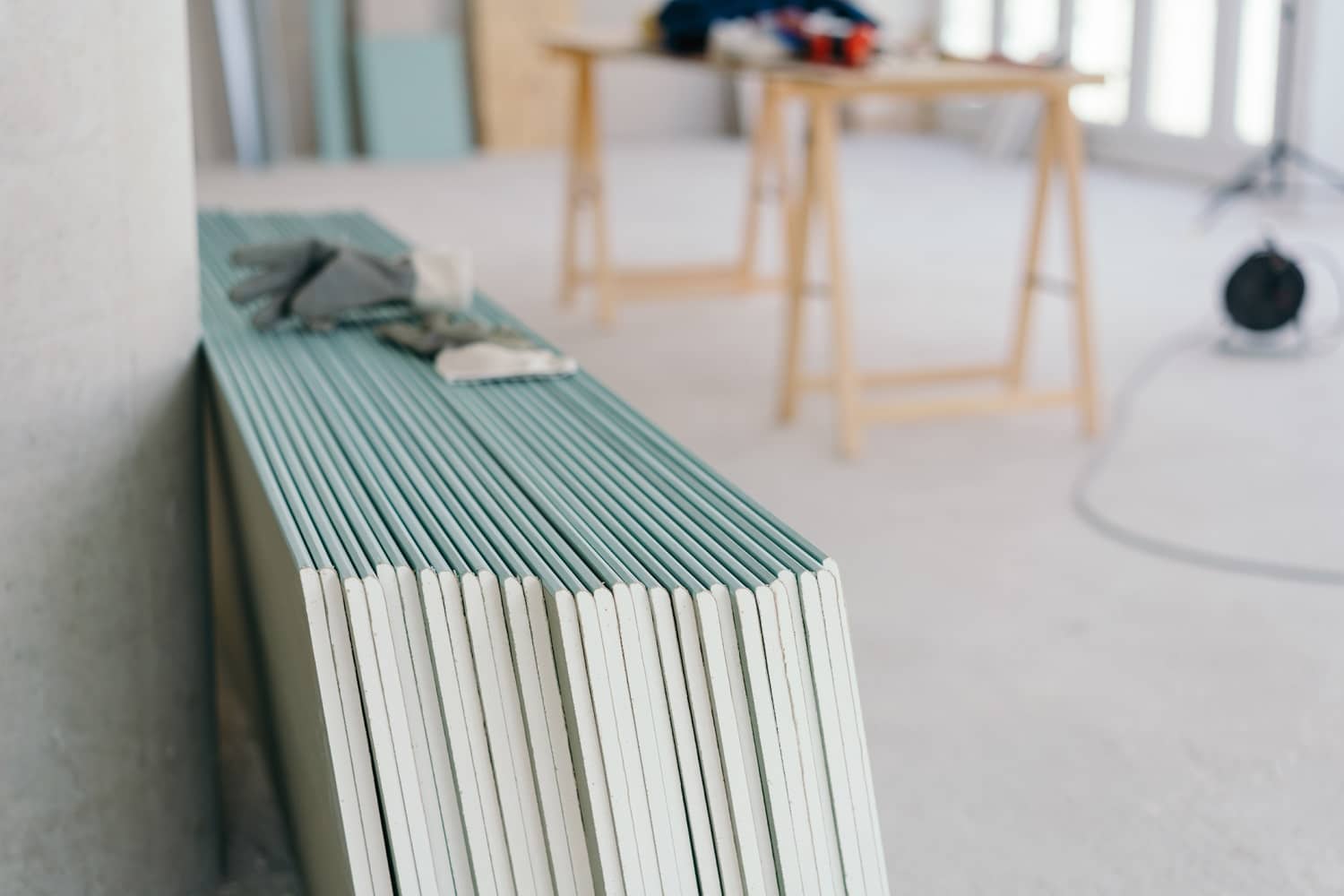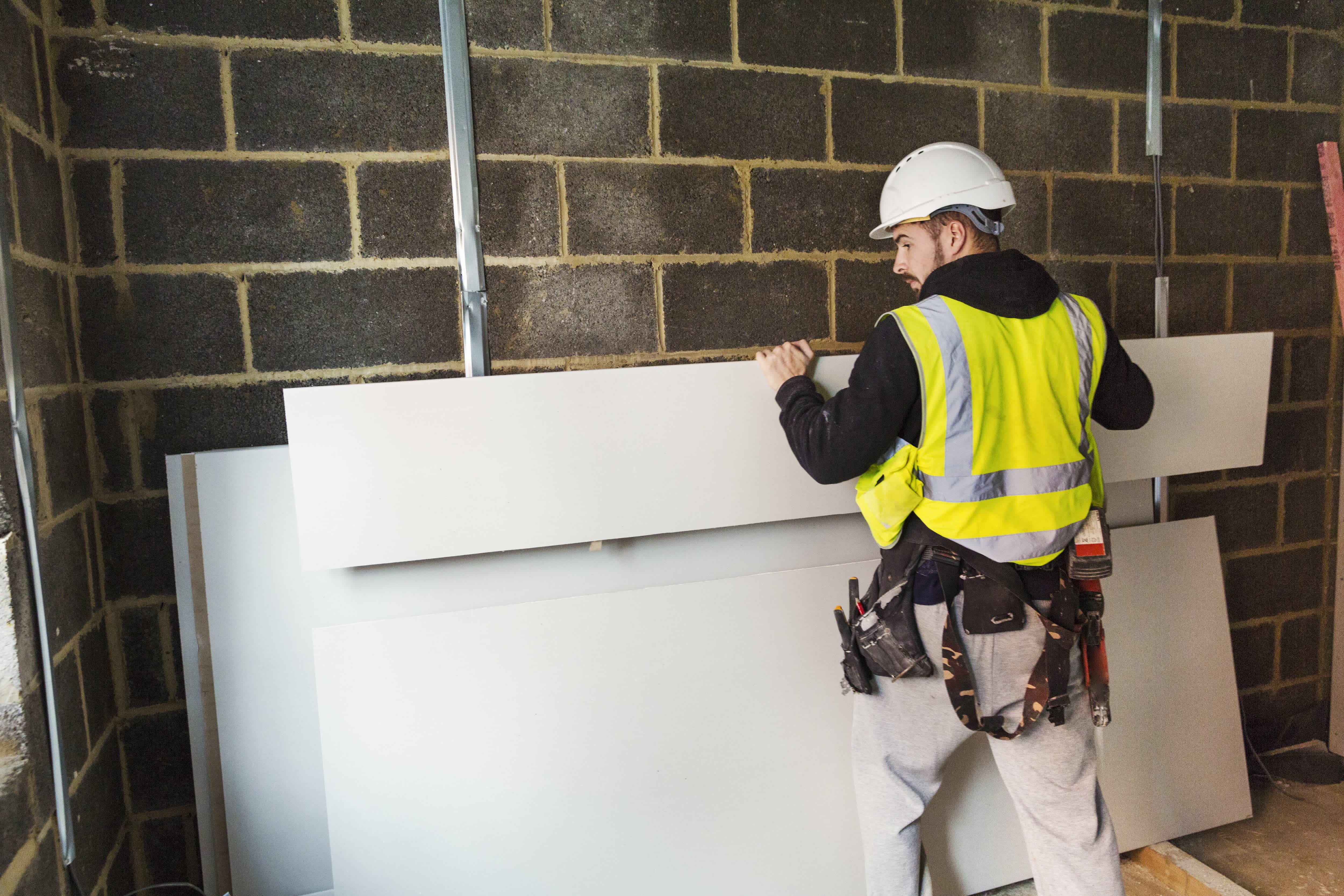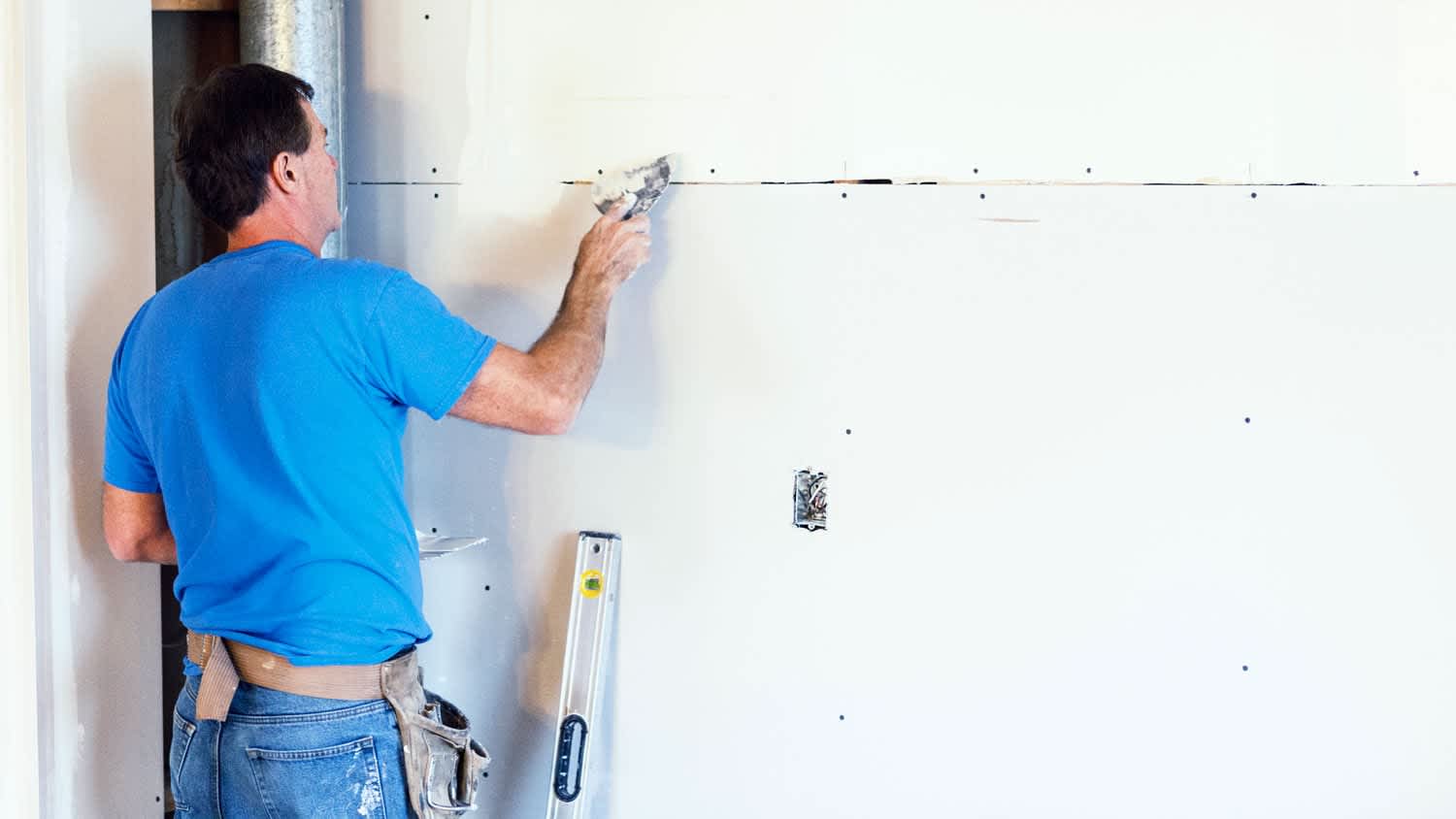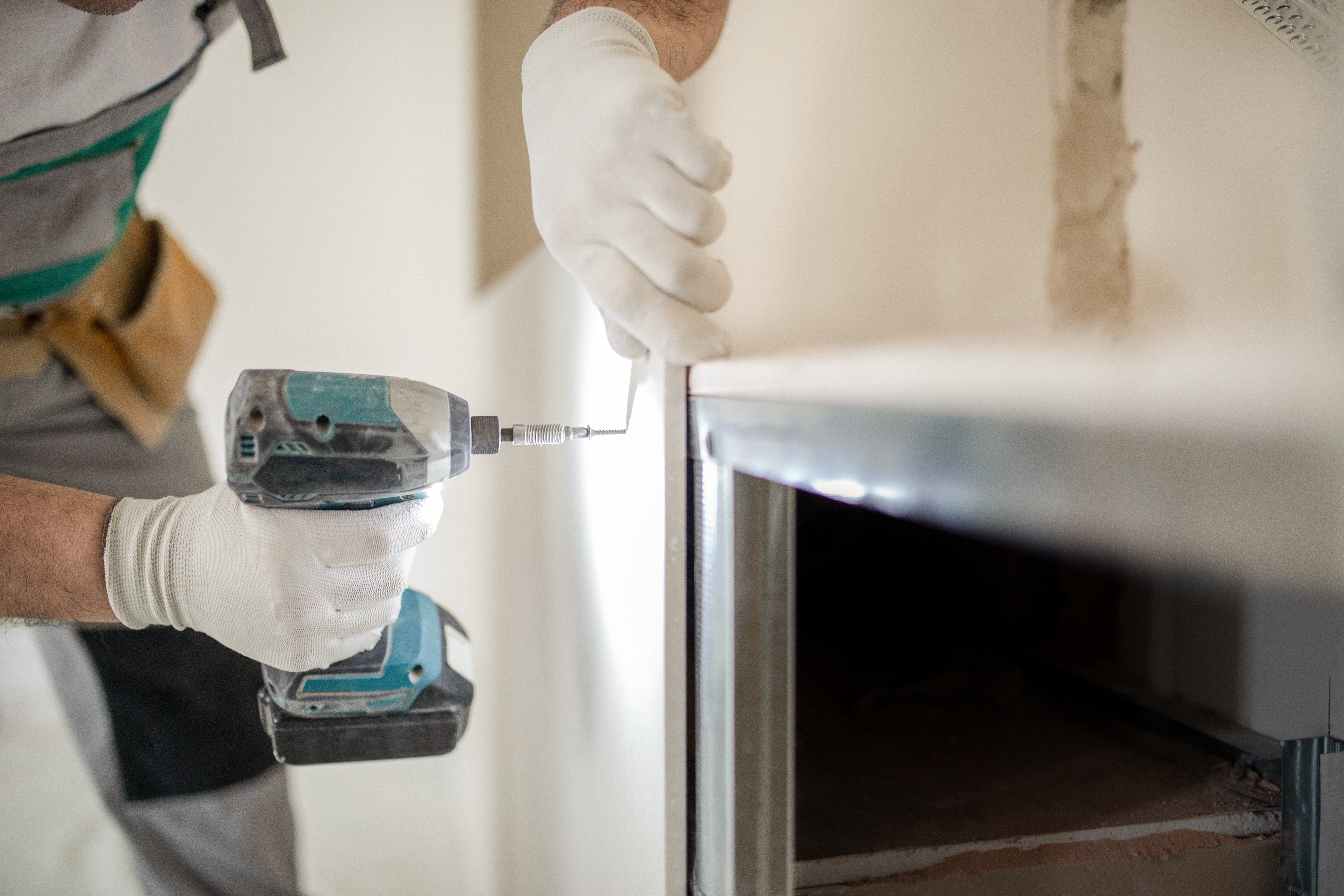





Top-rated drywall pros.

Get matched with top drywall pros in Champions Gate, FL

Enter your zip and get matched with up to 5 pros

Need a pro for your drywall service project in Champions Gate, FL?

Select your specific project to find the pro for you.

TRUSTED BY CHAMPIONS GATE, FL HOMEOWNERS

  • Average homeowner rating star icon4.7
    Average homeowner rating
  • Verified reviews icon162
    Verified drywall services reviews

Find Drywall pros in Champions Gate

Avatar for Pro Touch Property Solutions
Pro Touch Property Solutions
5.0(
11
)
Drywall - RepairDrywall - Install

Serving Champions Gate, FL and surrounding areas

Approved

Free estimates

Emergency services offered

Warranties offered

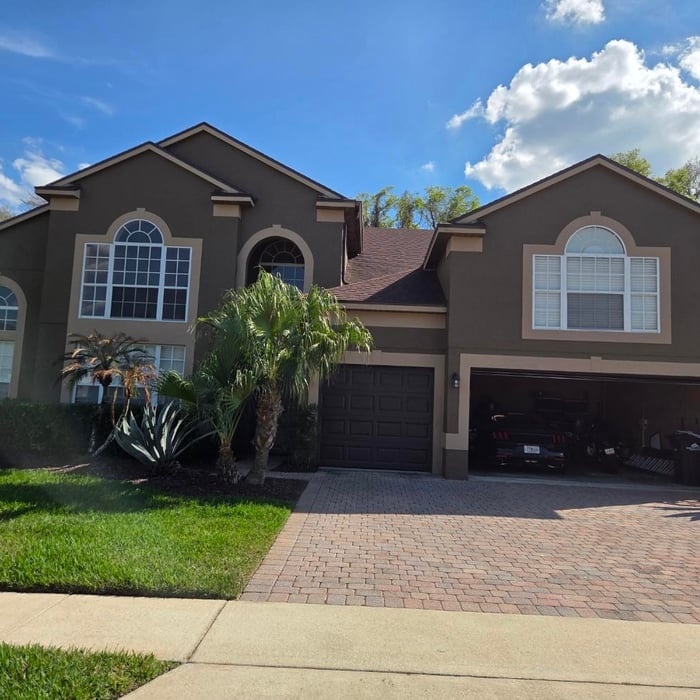
"I had an amazing experience with Pro Touch Property Solutions! They custom painted the exterior of my building and completely transformed the look. The team was professional, detail-oriented, and finished everything on time. The quality of the work really shows, and I’ve already received so many compliments. Highly recommend them if you’re looking for reliable and top-notch service!"
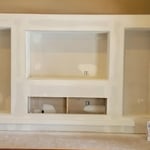
Entertainment Center
Exterior Painting

+31

4 neighbors recently requested a quote
Avatar for Sergio's All In One, LLC
Sergio's All In One, LLC
5.0(
18
)
Drywall - Repair

Serving Champions Gate, FL and surrounding areas

Approved

Super Service Award Winner

In business since 2023

Free estimates

Emergency services offered

"Sergio and his assistant were excellent! I had several carpentry jobs and a couple electrical jobs and he did them all. I feel fortunate to find someone I can call now to help with things i need done around the property. Very reasonable priced and well worth the cost!"
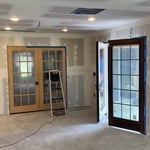
Remodel house #44
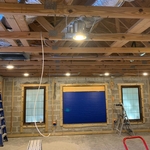
Remodel house #44
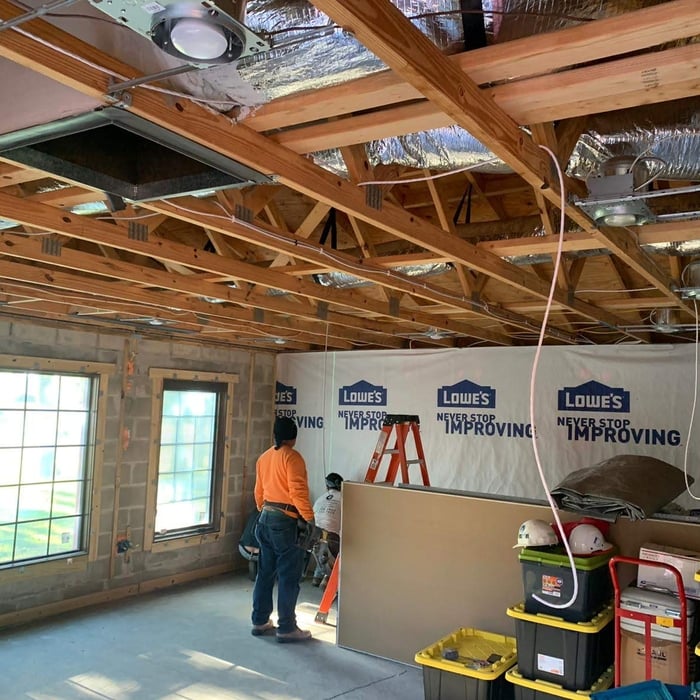
Remodel house #44
Remodel house #44
Additional Photos

+18

Response time2 days
Response rate100%
2 neighbors recently requested a quote

...
Showing 1-10 of 594
Drywall questions, answered by experts

You should stagger drywall sheets to help prevent cracking. The joints between drywall sheets are the weak spots, so if you install drywall with seams aligned, you’ll create weak lines that run across the length of the wall and extend from floor to ceiling. But when you stagger drywall, the solid sections of panels will support the joints. This can prevent seams from cracking or separating due to fluctuating temperature and humidity, vibrations from movement inside the home, and gravity.
The best way to make long, straight cuts is to use a utility knife and a T-square to score the sheet, snap along the score, and then finish the cut by cutting through the paper on the opposite side with the utility knife. If you’re making small cuts, curved cuts, or cutouts for electrical boxes or light fixtures, you can use a manual jab saw to keep costs down, but an electric spiral saw or oscillating multi-tool will get the cleanest, fastest cuts possible.

It’s always better to follow proven drywall repair tips and fix the seams that look bad. However, if you simply want to make them less noticeable until you have time to fix them, you can use paint. A darker color of paint makes bad drywall tape seams less noticeable than light-colored paint. Matte paint hides bad seams better than glossy paint does, too.

You can skim coat plaster, but it’s better to repair the plaster itself. A skim coat is a thin coat of drywall joint compound spread over the surface of a wall. The result is a flat finish that looks pleasing, but part of the appeal of plaster is its imperfections and aesthetic. Skim coating is best when limited to drywall applications.

Although they have similar applications, spackle and joint compound are not the same. Their primary differences lie in their composition, consistency, and ideal use cases.

Spackle is composed of gypsum and binding agents, making it thicker than joint compound. It dries quickly and is easy to sand, which makes it ideal for small wall repair projects like filling nail holes or patching minor damage.

Joint compound, also known as drywall mud, consists of limestone and gypsum. It is primarily used for large-scale projects, such as taping and finishing the seams on newly installed drywall. It tends to shrink more than spackle and can be more difficult to spread.

While both products can be used to fill small depressions and cracks, spackle cannot replace joint compound for taping and mudding new drywall. Conversely, you can often use joint compound for small patching jobs typically done with spackle.

The Champions Gate, FL homeowners’ guide to drywall services

From average costs to expert advice, get all the answers you need to get your job done.