

Top-rated drywall pros.

Get matched with top drywall pros in Beverly Hills, FL

Enter your zip and get matched with up to 5 pros

Need a pro for your drywall service project in Beverly Hills, FL?

Select your specific project to find the pro for you.

TRUSTED BY BEVERLY HILLS, FL HOMEOWNERS

  • Average homeowner rating star icon4.5
    Average homeowner rating
  • Verified reviews icon55
    Verified drywall services reviews

Find Drywall pros in Beverly Hills

No Job Too Small
5.0(
27
)
Drywall - RepairDrywall - Repair - For Business

Serving Beverly Hills, FL and surrounding areas

Approved

In business since 2019

Free estimates

Emergency services offered

"Ceiling of my outside front porch fell following all the rain and humidity lately. Called a few places; Lou responded within about an hour. He came-out to look at it that evening, and got it fixed by noon the next day. He did very good work and his prices are reasonable. I strongly recommend him."
Response time3 hrs
Response rate96%
Recommended by100%of homeowners
Avatar for DPT SOLUTIONS LLC
DPT SOLUTIONS LLC
4.5(
10
)
Drywall - RepairDrywall - Install

Serving Beverly Hills, FL and surrounding areas

Approved

Super Service Award Winner

In business since 2024

Free estimates

Credit card accepted

"DPT Solutions did a great job installing and painting drywall that had to be replaced due to water damage. Chad Stroble was always on time, provided great communication and completed the job as promised. Great company to work with. Would use them again."
Response time9 hrs
Response rate100%
8 neighbors recently requested a quote
Avatar for Merinos Custom Construction LLC
Merinos Custom Construction LLC
5.0(
9
)
Drywall - RepairDrywall - Install

Serving Beverly Hills, FL and surrounding areas

Approved

Free estimates

Emergency services offered

Warranties offered

"If there were six stars to choose from, that would be the rating I would give for the service provided. They were efficient, on time, and had a very professional and friendly personality, doing an amazing job repairing my ceiling. I will be using them for future handyman projects!"
17 neighbors recently requested a quote
Avatar for A True North Services, LLC
A True North Services, LLC
5.0(
14
)
Drywall - Repair

Serving Beverly Hills, FL and surrounding areas

Approved

In business since 2025

Free estimates

Credit card accepted

"Yea! Mark did a great job. He completed a large piece of furniture for me and hung an iron decorative piece as well. He was very respectful and cleaned up nicely. He finished the job before I even expected. I recommend Mark at A True North Service."
Response time1 day
Response rate100%
5 neighbors recently requested a quote
...
Showing 1-10 of 208
Drywall questions, answered by experts

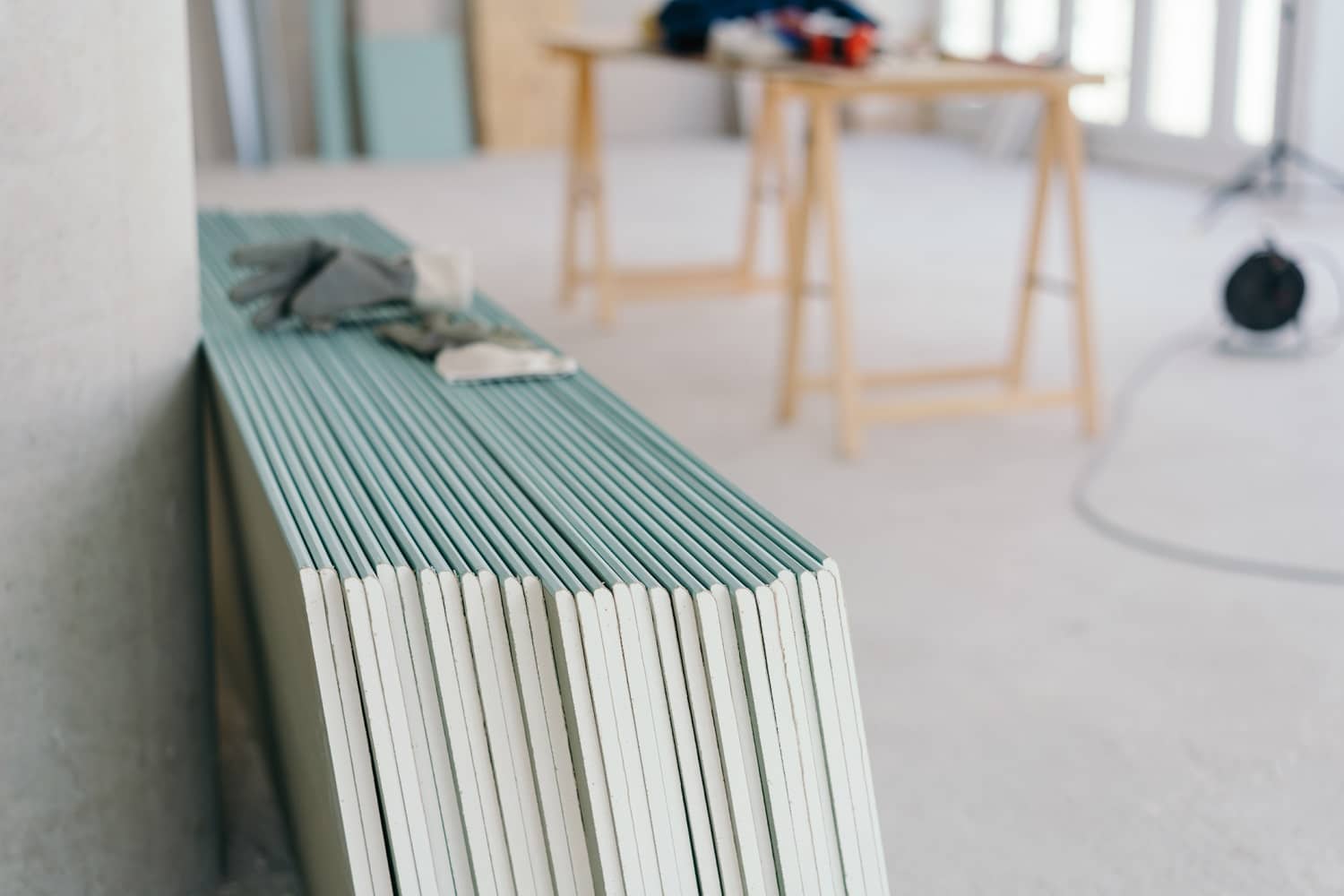
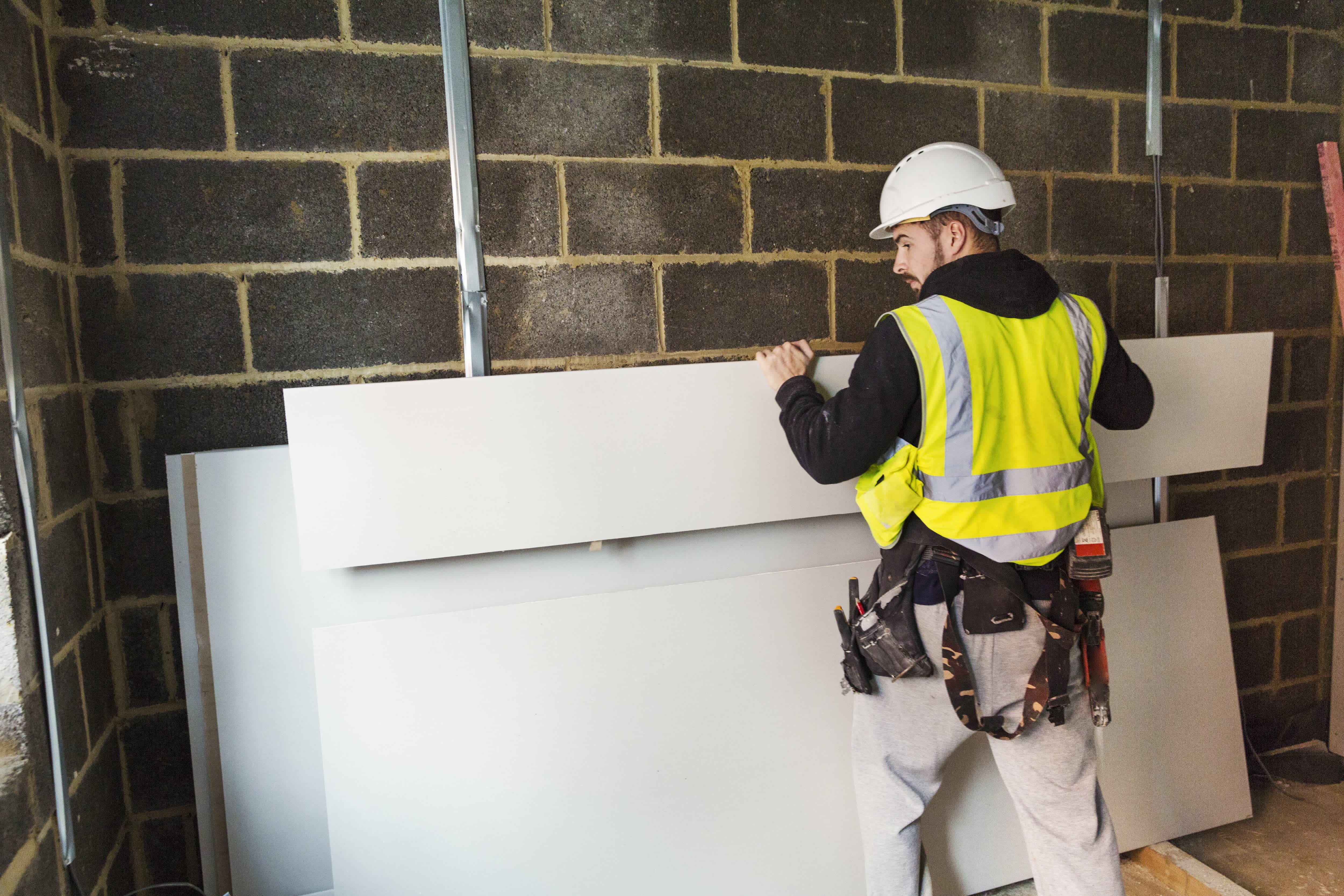
The amount of drywall you need for a 1,000-square-foot basement depends on the ceiling height, angles, number of doors and windows, and more. To find the wall square footage, multiply the width and height of each wall, minus any gaps from windows or doors, and add the totals together. You’ll also need enough drywood nails or screws to install the drywall correctly.

The short answer is yes, a sagging plaster ceiling is dangerous. Sagging plaster on a wall is something you should fix immediately, but it isn’t a major concern. If the same type of sagging occurs on a ceiling, however, you could be in danger of your ceiling falling in large chunks. When plaster sags, it loses its strength and ability to hold itself up. The bonds that hold it together are strong, though, so if a sagging area falls, it will take large pieces down with it.

Although they are used for similar tasks, spackle and joint compound are not the same. Joint compound, also known as drywall mud, consists of limestone and gypsum and is primarily used for large-scale projects like taping and finishing seams on new drywall. Spackle is composed of gypsum and binding agents, making it a thicker compound best suited for small wall repairs like filling nail holes or cracks, as it dries quickly and is easy to sand. For small repairs, either product can be suitable. However, you can use joint compound for small jobs in place of spackle, but you cannot use spackle for large-scale taping and mudding projects.

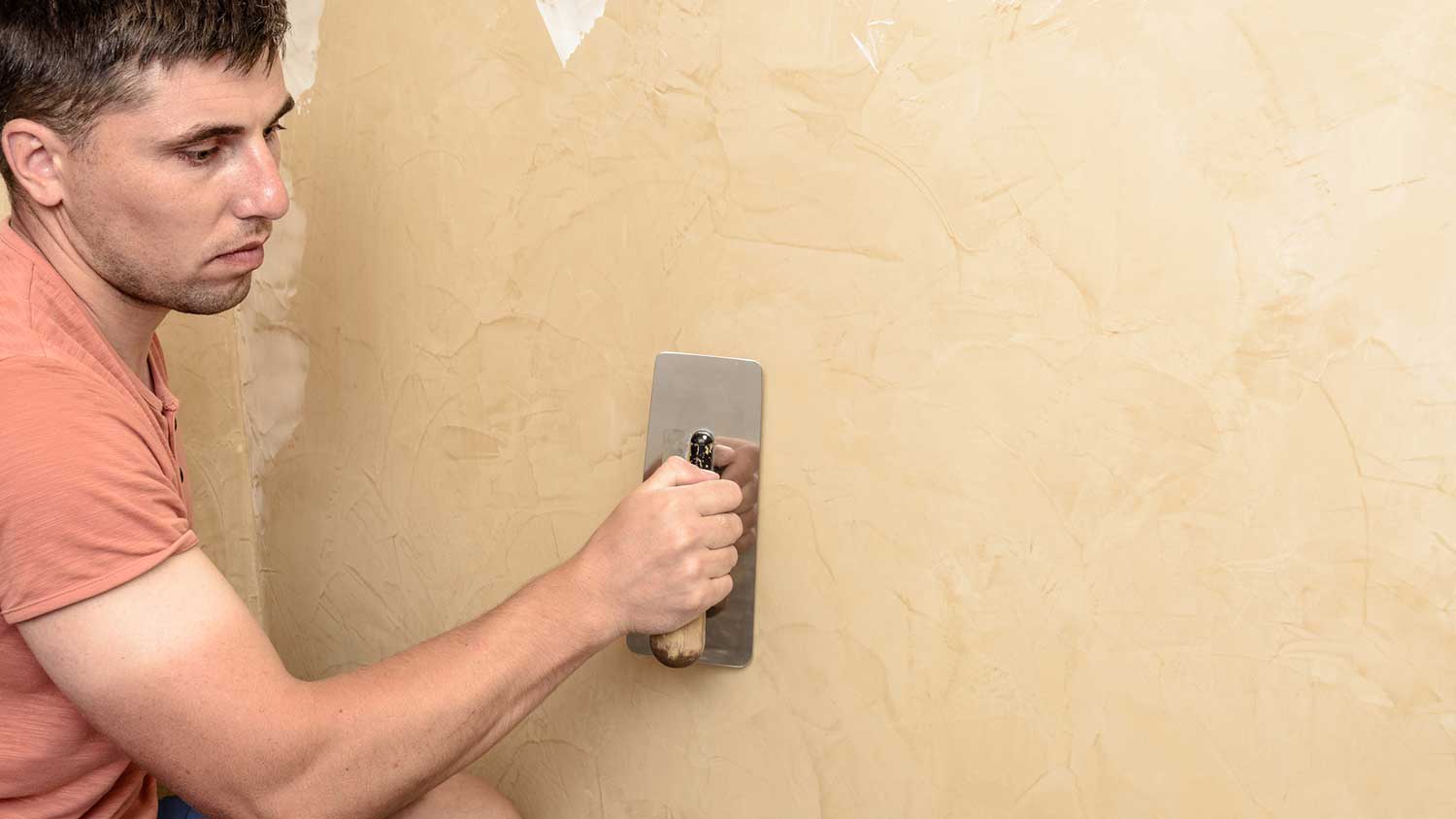
Plastering and skimming are two different techniques for finishing walls. Plastering involves applying a thick layer of a plaster mixture—typically containing gypsum, lime, cement, sand, and water—to create a new surface. This process often requires multiple coats and is used for repairing significant damage or creating decorative textures. Skimming, on the other hand, is a technique that involves applying a thin layer of drywall compound or joint compound over an existing surface to smooth it out, covering minor imperfections, small cracks, or uneven textures for a polished look. Plastering is generally more costly and labor-intensive than skimming. Although some people use the terms interchangeably, they refer to different processes and materials.

If your home was built before the 1940s and was not remodeled in the past 50 or so years, you probably have plaster walls. Aside from assuming, there are some practical ways to tell if you have plaster walls, including the following: If you knock on the wall and it feels solid, not hollow, if you can’t insert a thumbtack easily, if there are cracks that look like spiderwebs, or if your home has curved, arched, or swirled walls, doorways, or window openings.

If you have an unfinished basement or attic, you could examine the backs of any finished walls to check, too.

The Beverly Hills, FL homeowners’ guide to drywall services

From average costs to expert advice, get all the answers you need to get your job done.