





Top-rated drywall pros.

Get matched with top drywall pros in Wyoming, DE

Enter your zip and get matched with up to 5 pros

Need a pro for your drywall service project in Wyoming, DE?

Select your specific project to find the pro for you.

TRUSTED BY WYOMING, DE HOMEOWNERS

  • Average homeowner rating star icon4.1
    Average homeowner rating
  • Verified reviews icon56
    Verified drywall services reviews

Find Drywall pros in Wyoming

Avatar for Fine Finishes By Faunce
Fine Finishes By Faunce
5.0(
1
)
Drywall - InstallDrywall - Repair

Serving Wyoming, DE and surrounding areas

Approved

Free estimates

Emergency services offered

Warranties offered

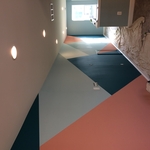
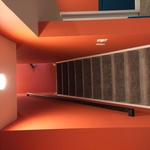
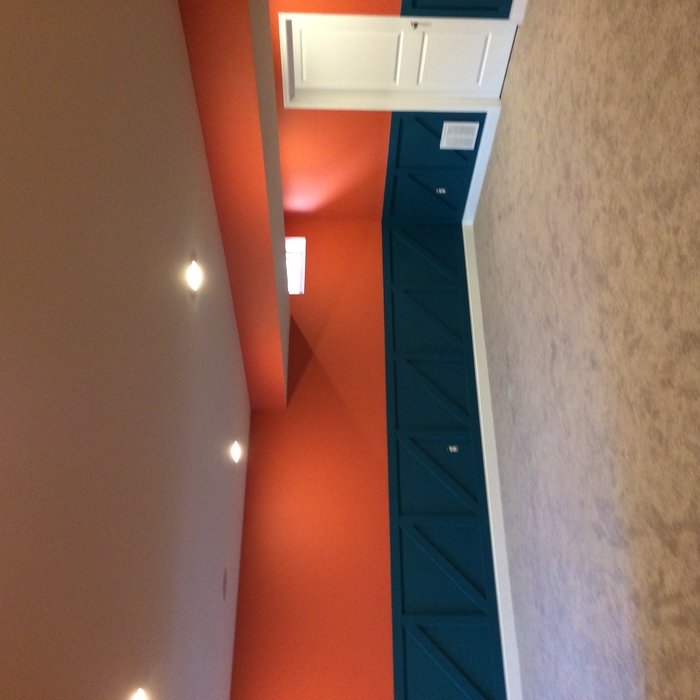
"Basement was dark and bright bold colors. Mr. Faunce made the basement look brand new again! Whole basement is white now and nothing showing through. Very professional and made sure I was happy with the project."
4 neighbors recently requested a quote
...
Showing 1-10 of 188
Drywall questions, answered by experts

Yes, it is possible to rewire a house without removing the drywall, but this doesn’t work in all homes. You can pull out old wires and insert new ones if you have access to the wiring system via the ceiling or through a crawl space. Some pros can also use a magnetic kit to fish the old wire out of the wall through a hole cavity and install the new wires. Just keep in mind that doing this is less stable than removing drywall, as you won’t be able to staple the wires into the framing.

If your home was built before the 1940s and was not remodeled in the past 50 or so years, you probably have plaster walls. Aside from assuming, there are some practical ways to tell if you have plaster walls, including the following: If you knock on the wall and it feels solid, not hollow, if you can’t insert a thumbtack easily, if there are cracks that look like spiderwebs, or if your home has curved, arched, or swirled walls, doorways, or window openings.

If you have an unfinished basement or attic, you could examine the backs of any finished walls to check, too.

Wet-sanding and dry-sanding each have pros and cons. Dry-sanding is less messy, so it’s a good option if you’re trying to minimize dust (for example, if you’re sanding an occupied home or working with particularly dry or dusty drywall mud). However, dry-sanding is quicker because you don’t have to keep rinsing a sponge or wait for it to dry before painting.

The easiest way to tell if a wall is load bearing is to check if it’s an exterior wall or if it runs perpendicular to the joists above and below it (or parallel to beams). Exterior walls are almost always load-bearing, and walls that run under beams or parallel to them are also usually load-bearing. There are exceptions to these rules, and walls that don’t fit into these categories can still be load-bearing. If you’re unsure, hire a structural engineer to look at your home to assess whether or not the wall is structural.

You should do a little bit of sanding between adding coats of mud. Knock down any ridges or significantly imperfect areas through sanding, which should help you apply the next coat of mud smoothly. If your first coat of mud is pretty smooth after it dries, a quick sanding is all you’ll need. Don’t forget to wipe away any dust after each sanding process.

The Wyoming, DE homeowners’ guide to drywall services

From average costs to expert advice, get all the answers you need to get your job done.