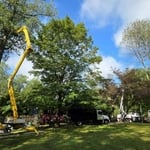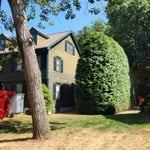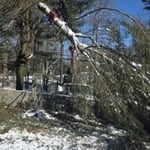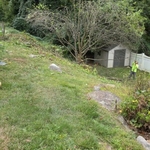


Top-rated tree service pros.

Get matched with top tree service pros in West Haven, CT

Enter your zip and get matched with up to 5 pros

Need a pro for your tree service project in West Haven, CT?

Select your specific project to find the pro for you.

TRUSTED BY WEST HAVEN, CT HOMEOWNERS

  • Average homeowner rating star icon4.7
    Average homeowner rating
  • Verified reviews icon229
    Verified tree services reviews

Find Tree service pros in West Haven

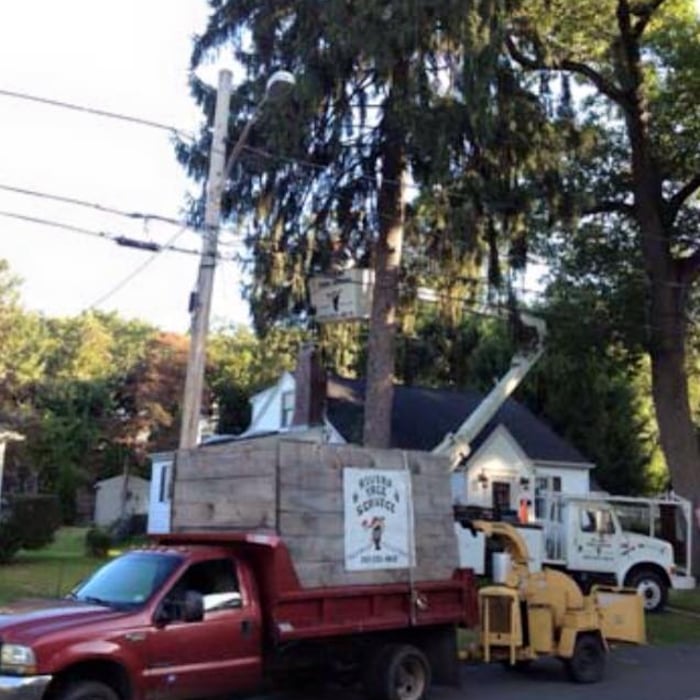
Avatar for Rivers Tree Service
Rivers Tree Service
4.5(
144
)
Tree RemovalTree Removal - For Business

Serving West Haven, CT and surrounding areas

Approved

Super Service Award Winner

In business since 2006

Free estimates

Credit card accepted

"Josh and his crew were quick and professional The work involved tree removal over my shed along many large limbs that needed to taken down around my property. Kudos to Rivers Tree Service"
Climbing
Landclearing
No job is too big
_
Maneuvering around hazards

+4

Response time10 hrs
Response rate87%
10 neighbors recently requested a quote
Avatar for Boss Tree Service LLC
Boss Tree Service LLC
5.0(
4
)
Tree RemovalTree Removal - For Business

Serving West Haven, CT and surrounding areas

Approved

In business since 2022

Free estimates

Emergency services offered

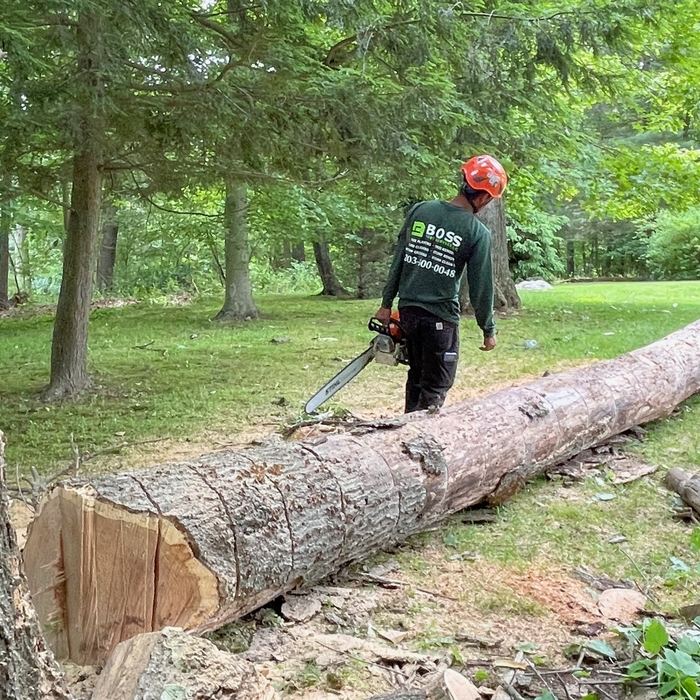
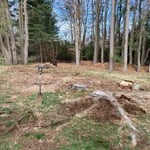
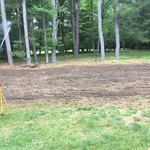
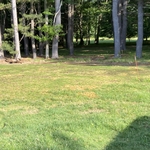
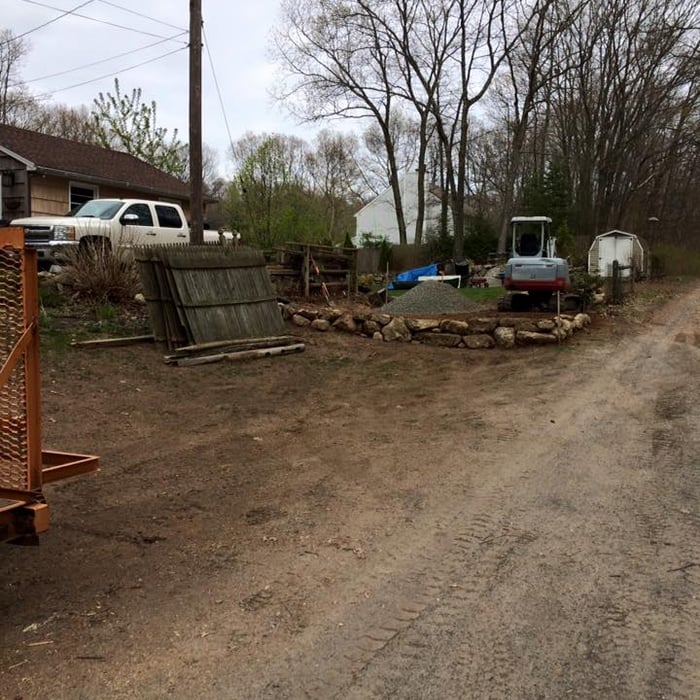
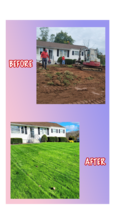
"BOSS Tree Service did an amazing job at our property. Removed about 20 large trees and many other small ones. They also excavated and cleared up our front yard to finally have a lovely grass yard! Great people to work with."
TREE SERVICE
TREE CUTTING
TREE REMOVAL
TREE CUTTING
TREE REMOVAL

+1

Response time12 hrs
Response rate87%
30 neighbors recently requested a quote
...
Showing 1-10 of 183
Tree Service questions, answered by experts
In nature, there are many things that can cause a tree to die, including diseases, insects, and natural disasters such as fires or droughts. Non-natural methods of killing a tree include herbicides or manual intervention, such as cutting it down. Consult a tree removal professional about your options for naturally killing a tree.

Some fast-acting products can rot a tree stump in four to six weeks. Keep in mind, these products contain harsh chemicals that may prevent regrowth in the area. Other products, like fertilizer that contains lots of nitrogen, can enhance the process and rot a stump in about a year. (This is compared to the ten years it can take naturally for a stump to rot.)

There are several methods to hollow out a tree stump, and the best one depends on your tools, experience, and priorities. Common methods include using a chisel and hammer, a chainsaw, or burning.

  • Chisel and Hammer: This is often considered the easiest approach for those with limited tools or experience, though it is the most time-consuming.

  • Chainsaw: Using a chainsaw is the fastest method, but it comes with significant safety risks, especially for inexperienced users.

  • Burning: This can be an effective method, but it is not recommended unless you can first drill holes into the stump. Without holes, the stump will be difficult to light and may not burn completely through.

A power drill with at least a ⅜-inch diameter bit can make the job quicker and easier, regardless of the primary method. While you can use a chisel or chainsaw without a drill, it will require more time and effort. Always wear protective goggles and thick gloves, as splinters are an inevitable risk.

In most cases, your neighbor is responsible for roots from their tree that cause damage to your property. If your pavement, the foundation of your home, or a fence is damaged by roots from a neighbor’s tree, you likely will have legal recourse for financial relief. While it’s better to notify your neighbor of any problems you notice as soon as they arise to avoid costly damage, there are some instances where filing a civil suit is your only recourse. Your homeowner’s insurance company might wish to do so on your behalf if you file a claim.

While trees can grow in the curb strip between the sidewalk and the street, this placement often poses the problem of interfering with overhead power lines. It’s best to consult your local utility provider and tree planting service before transplanting a tree that might grow into power lines. Also, you should never work within 20 feet of a live power line to avoid the risk of electric shock. Tree branches should never touch nearby power lines, so it’s essential to ensure your tree isn’t in danger of growing too close to them.

The West Haven, CT homeowners’ guide to tree services

From average costs to expert advice, get all the answers you need to get your job done.