





Ernesto Rosado
Lawn Care - Maintain and Mow a Lawn
Serving West Cornwall, CT and surrounding areas
Approved
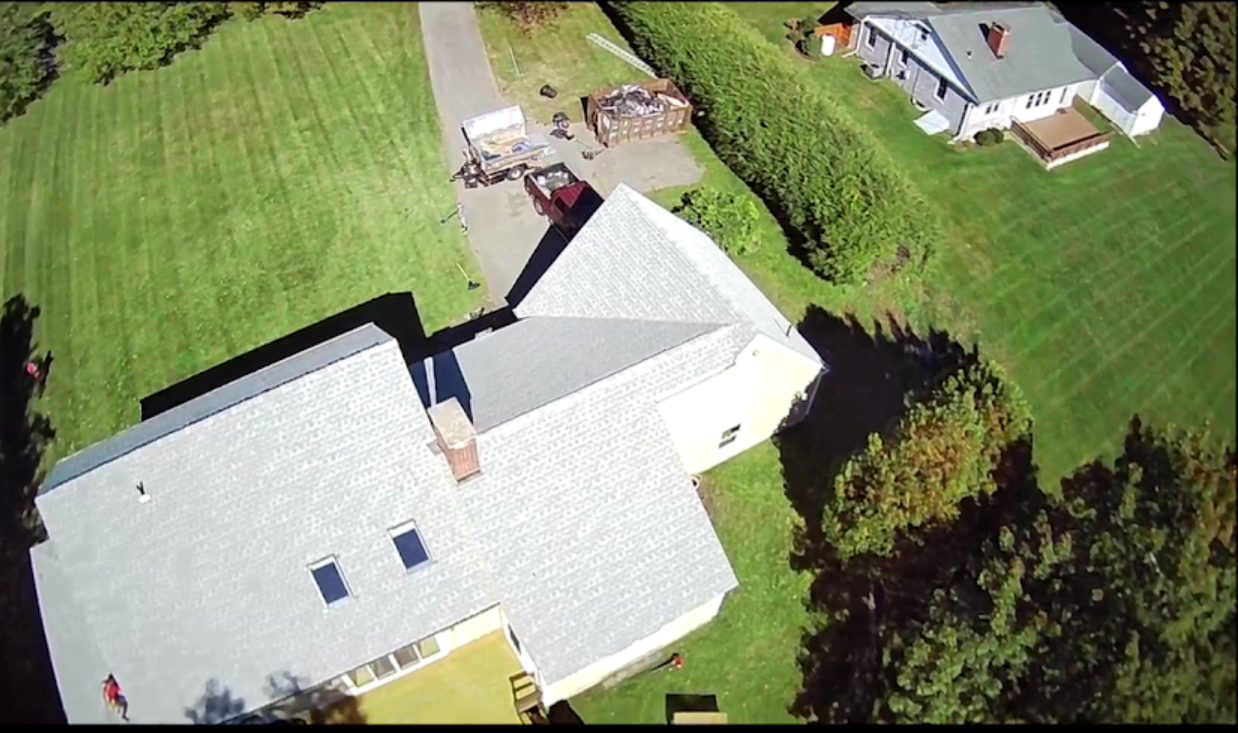
Lawn mower truck and trailer for business \n
25 neighbors recently requested a quote

 4.8
4.8  11
11 *The Angi rating for Weed Maintenance companies in West Cornwall, CT is a rating based on verified reviews from our community of homeowners who have used these pros to meet their Weed Maintenance needs.
*The HomeAdvisor rating for Weed Maintenance companies in West Cornwall, CT is a rating based on verified reviews from our community of homeowners who have used these pros to meet their Weed Maintenance needs.
Last update on July 27, 2026
Serving West Cornwall, CT and surrounding areas
Approved
Lawn mower truck and trailer for business \n

Serving West Cornwall, CT and surrounding areas
Approved
In business since 2025
Free estimates
Emergency services offered
"Great service, great people, great price and great job!!!"
Serving West Cornwall, CT and surrounding areas
Approved
Local self run lawn care business and other services
Serving West Cornwall, CT and surrounding areas
Approved
We are here to handle all of your needs from big to small. No job is too small and we will take all care to address your needs in a timely manner.
Serving West Cornwall, CT and surrounding areas
Approved
Local lawn care, home improvement services. Friendly, free, professional estimates. Quality work at affordable prices. We look forward to working with you.

Serving West Cornwall, CT and surrounding areas
Approved
Free estimates
Emergency services offered
Credit card accepted
At B&B LawnCuts, we're a proud father-and-son business dedicated to providing dependable lawn care and asphalt sealing services with honesty, hard work, and attention to detail. As a family-owned company, we understand the value of treating every property as if it were our own.\n\nWe take pride in helping homeowners and businesses maintain beautiful, well-kept properties through quality lawn mowing, edging, trimming, and professional asphalt sealcoating. Our goal is to deliver reliable service, exceptional workmanship, and results that last.\n\nBuilding lasting relationships with our customers is at the heart of what we do. When you choose B&B LawnCuts, you're choosing a local family that stands behind its work and is committed to earning your trust with every job.\n\nWe appreciate the opportunity to serve our community and look forward to helping you keep your property looking its best.
Serving West Cornwall, CT and surrounding areas
Approved
MRX Services LLC provides reliable landscaping, lawn care, yard cleanups, junk removal, moving assistance, painting, and general property maintenance services. We take pride in providing quality work, fair pricing, and dependable service. We serve Bridgeport and surrounding areas and offer free estimates. Contact us today to discuss your project!
Serving West Cornwall, CT and surrounding areas
Approved
Free estimates
Emergency services offered
Small jobs welcome
Hello, my name is Joseph Brown. I’m 19 years old I am a hard worker, looking for customers that want their lawns mowed for a great price and great quality and to gather customers to make a honest business, give me a chance to show you my work and my work ethic and how much pride I put into the work for the outcome to be amazing and to satisfy my customers needs
Serving West Cornwall, CT and surrounding areas
Approved
Free estimates
Small jobs welcome
Landscaping and drainage near dutchess county and southern Columbia county free estimates
Serving West Cornwall, CT and surrounding areas
Approved
A motivated entrepreneur that loves working with his hands. No job to big or small. I’ll work out a way to get it done!
From average costs to expert advice, get all the answers you need to get your job done.
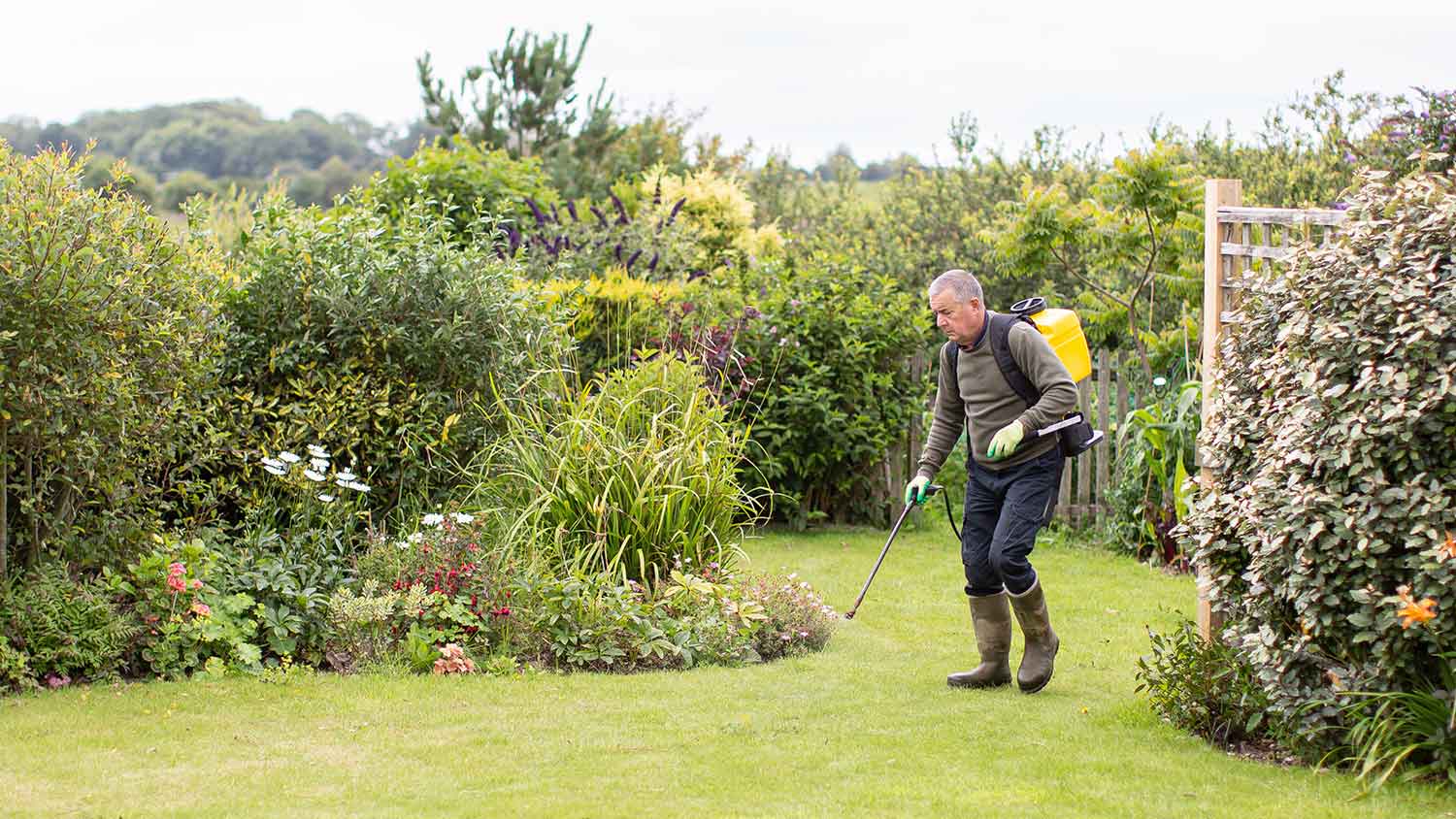
Expect your weed removal service cost to depend on the size of your yard, the type of treatment, and the severity of the infestation.
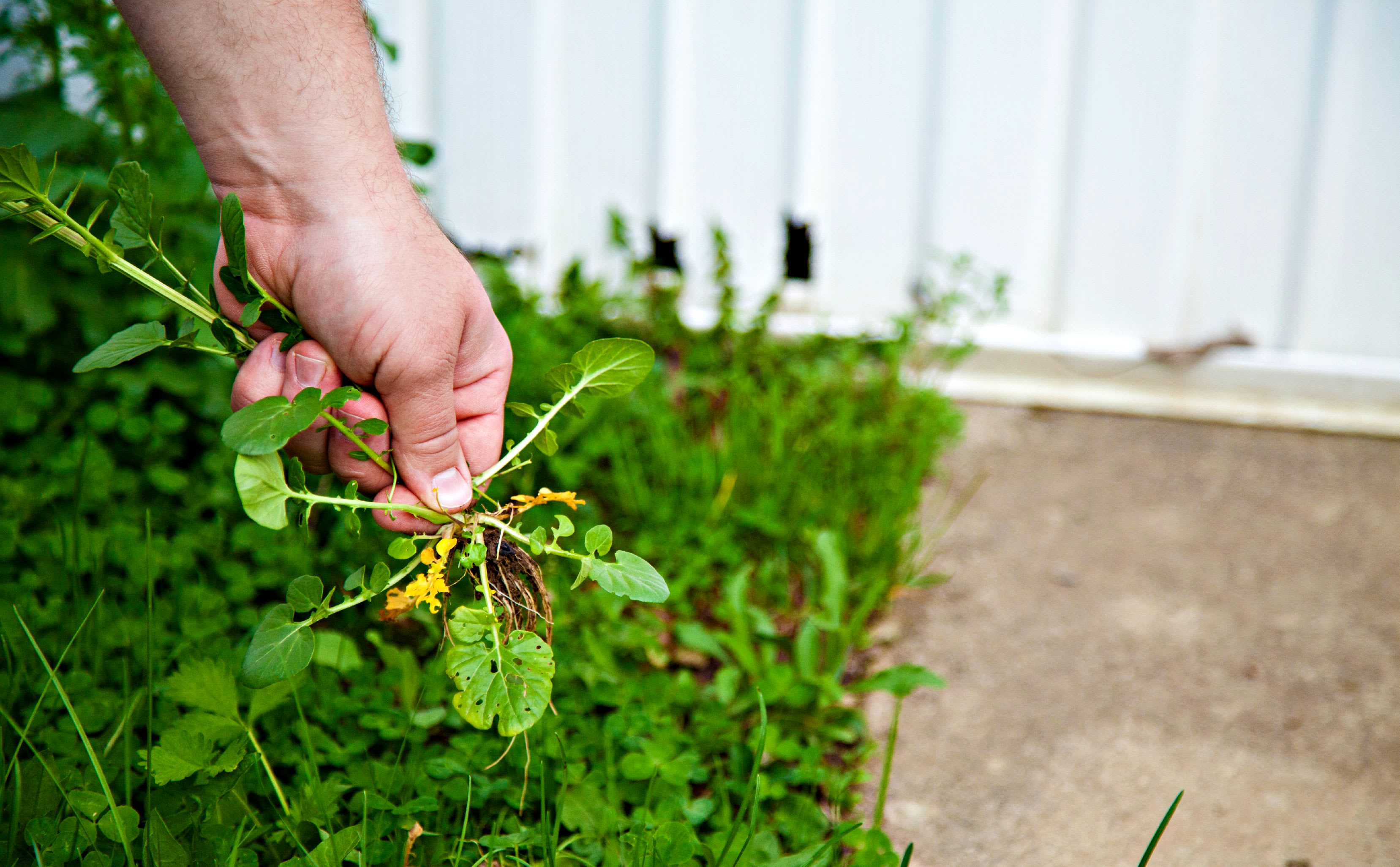
Learn how to find and hire qualified weed removal services for your lawn. Get expert tips on questions to ask, credentials to check, and more.

Here’s who you should hire to pull your weeds to keep your yard looking tidy and your curb appeal up. Learn more in this helpful guide.

Pulling weeds can help keep them from taking over your garden or yard. Learn the best time to pull weeds to keep your outdoor spaces beautiful and healthy.
Planning a yard cleanup? Learn about weed removal costs, logistical concerns, and how to hire the right local pro to keep your landscaping healthy and lush.

There are some serious benefits to choosing a homemade grass and weed killer over store-bought products. Here are some useful DIY formulations.