






Top-rated weed maintenance pros.

Get matched with top weed maintenance pros in Kent, CT

Enter your zip and get matched with up to 5 pros

Need a pro for your weed maintenance project in Kent, CT?

Select your specific project to find the pro for you.

TRUSTED BY KENT, CT HOMEOWNERS

  • Average homeowner rating star icon4.8
    Average homeowner rating
  • Verified reviews icon28
    Verified weed maintenance services reviews

Find Weed maintenance pros in Kent

No results for Weed maintenance pro in

Try adjusting your search criteria.
Weed Services questions, answered by experts

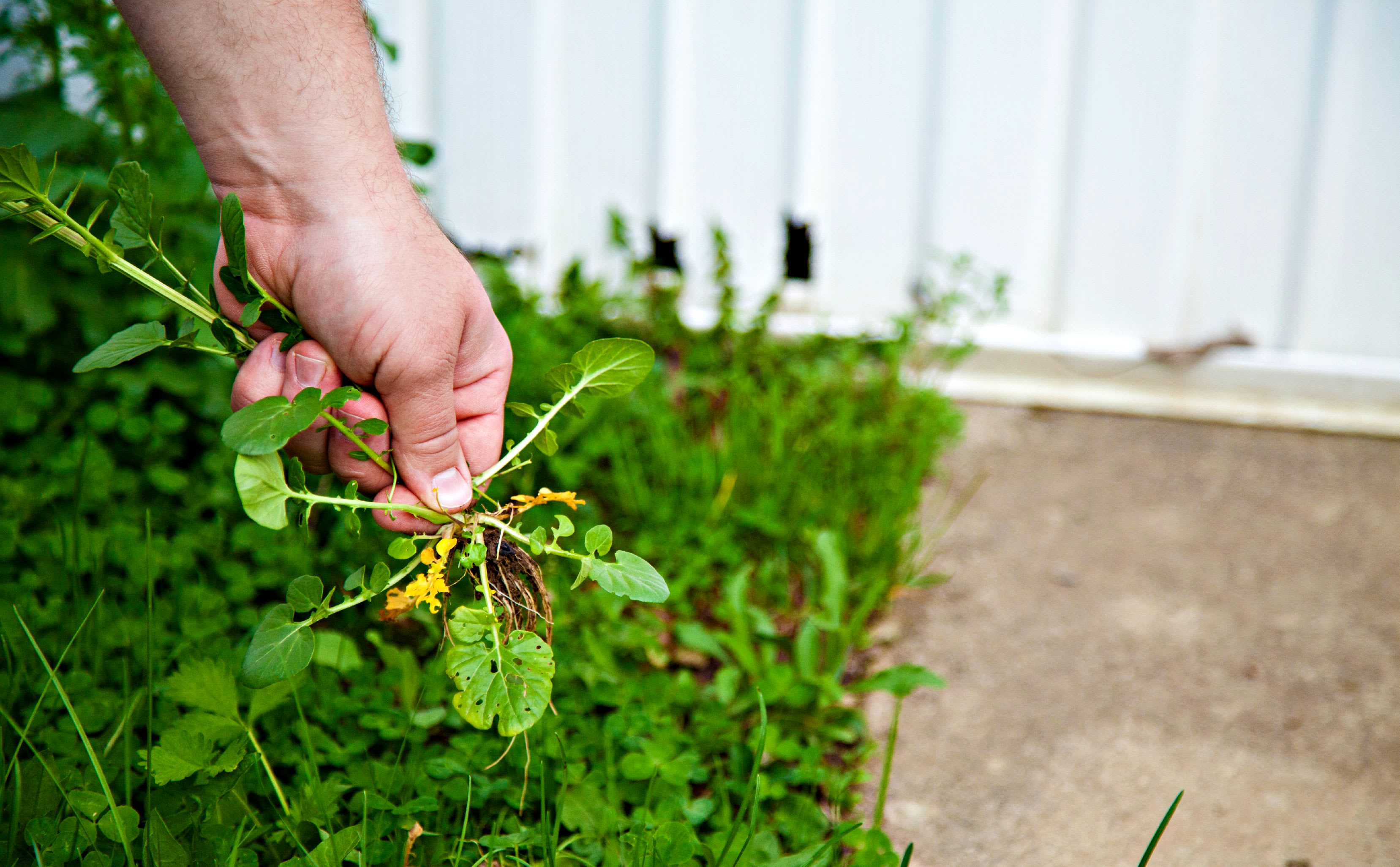
A spot herbicide for weed control is effective at killing crabgrass and not grass, but it depends on the type of herbicide. Always check the label to ensure that your herbicide is safe for grass but tough on crabgrass. Overall, spot treatment is ideal because it puts fewer herbicides into the soil, which can damage the soil. If you’re wanting a natural remedy to crabgrass that also won’t harm surrounding grass, you can also hand-remove crabgrass or even pour boiling water or 5% vinegar over crabgrass as a spot treatment.

Lawns with steep slopes can benefit from having quack grass. Quack grass's long roots and runners can help to prevent soil erosion on hillsides. Additionally, bird lovers may enjoy the fact that quack grass seeds are an attractive food choice for their avian friends.

You should add 1 to 4 inches of mulch, depending on your garden type and needs. Keep in mind that no amount of mulch can completely prevent weeds, but a heavier coverage (closer to 4 inches) can suppress weeds enough that you are only seeing them sprout every few weeks. Finer mulch prevents weeds more effectively than large mulch, so if you’re using mulched leaves or shredded bark, 1 to 2 inches will likely suffice, while 3 to 4 inches is best for larger mulch, like bark chips or straw.

Yes, Johnsongrass is a hard weed to kill. It has the ability to grow fast and spread even quicker, so it requires a detailed plan and thorough application to eliminate it. The best plan of action is to kill Johnsongrass while the weed is establishing itself by hiring a lawn care professional or following the steps above. 

Mowing a lawn will, unfortunately, not get rid of clover, and it may even encourage it to flourish. Let your lawn grow to a healthy height of over 3 inches and then set your mower blades no lower than this level. Higher grass will cut out the light that clover loves and discourage it from spreading.

The Kent, CT homeowners’ guide to weed maintenance services

From average costs to expert advice, get all the answers you need to get your job done.