


Top-rated bird control service pros.

Get matched with top bird control service pros in Voluntown, CT

Enter your zip and get matched with up to 5 pros

Need a pro for your bird control service project in Voluntown, CT?

Select your specific project to find the pro for you.

TRUSTED BY VOLUNTOWN, CT HOMEOWNERS

  • Average homeowner rating star icon4.4
    Average homeowner rating
  • Verified reviews icon49
    Verified bird control services reviews

Find Bird control service pros in Voluntown

Little River Wildlife Control
New to Angi
Pest Control - Birds and Bats

Serving Voluntown, CT and surrounding areas

In business since 2023

Free estimates

Emergency services offered

Little River Wildlife Control is committed to excellence in every aspect of our business. We uphold a standard of integrity bound by fairness, honesty, and personal responsibility. Our distinction is the quality of service we bring to our customers. Accurate knowledge of our trade combined with ability is what makes us true professionals. Above all, we are watchful of our customers' interests, and make their concerns the basis of our business.

Avatar for Trutech of Connecticut
Trutech of Connecticut
New to Angi
Pest Control - Birds and BatsPest Control - Birds and Bats - For Business

Serving Voluntown, CT and surrounding areas

In business since 1984

Free estimates

Small jobs welcome

Trutech® Wildlife Service provides solutions for all your nuisance animal and wildlife control needs along with exclusion services. We have a long history of providing customers with quality services, coupled with a high standard of professionalism. Trutech is fully insured and licensed with regulatory agencies and state and local authorities. Leading pest control companies, university, county and state agencies routinely recommend our services. \n

Bird Control questions, answered by experts

Woodpeckers peck at the break of dawn and take a break whenever the sun is not shining. On sunny days, expect pecking from dawn to dusk. On cloudy days, expect sporadic pecking when the sun peeks through. These birds are most active in the spring; you’ll hear them drumming as soon as the weather turns warm. 

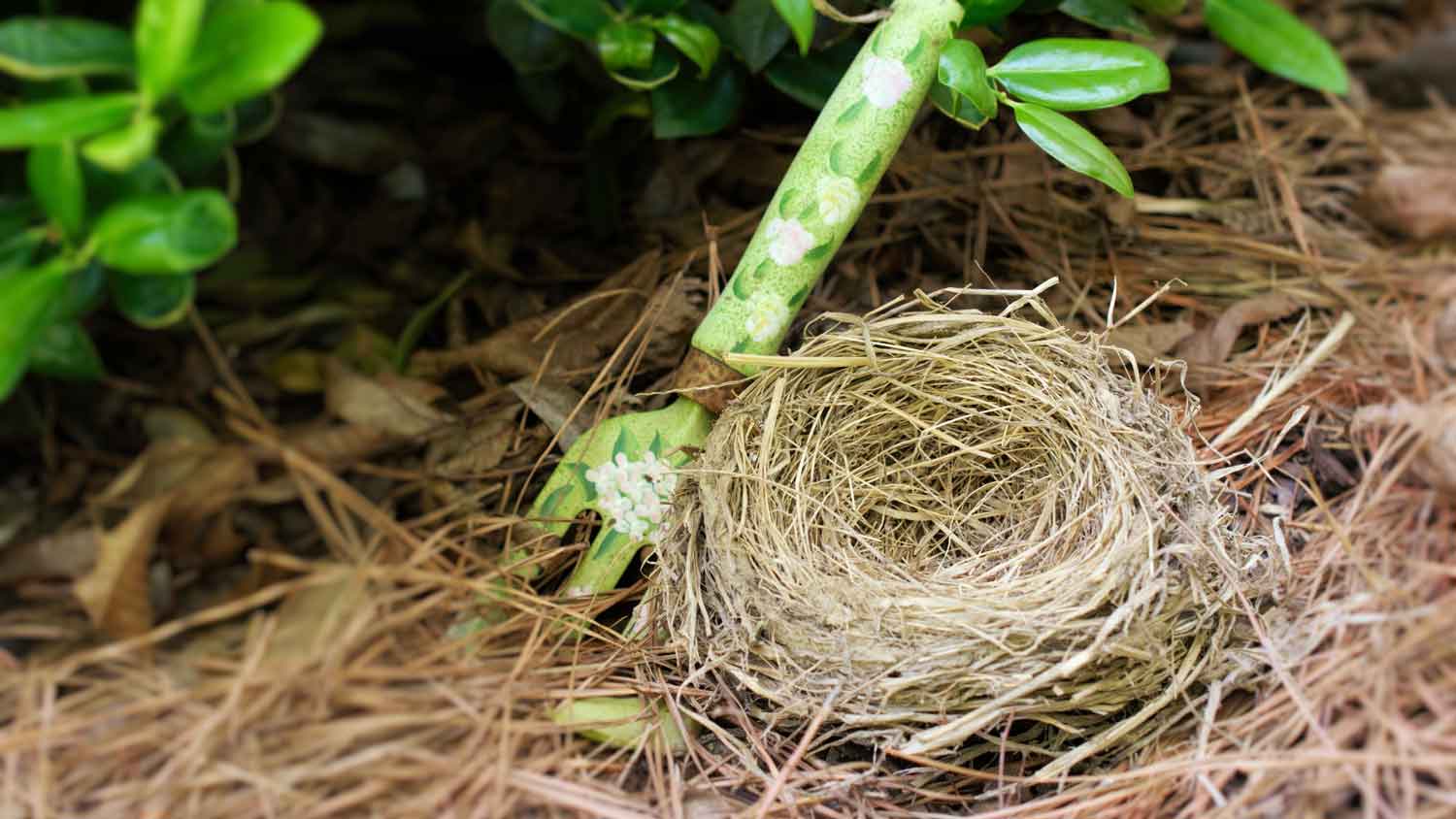
The lifespan of a bird's nest depends on the species. The building process can take from two days to three weeks. Once built, the nesting period for baby birds can last from two to ten weeks before they leave the nest. While most young birds are ready in two to six weeks, some predatory species may need up to two and a half months. Some species nest four to five times per year, so a nest could remain in use for several months. For specific information about a particular nest's longevity, it is best to consult a wildlife professional.

The cost of pest control services depends on various factors, but the average homeowner pays around $175, with a typical range of $100 to $500. Your final cost will be influenced by the type of pest, the size and severity of the infestation, and the number of treatments needed.

Service costs also vary by frequency:

  • One-time service: $300–$550

  • Initial visit for ongoing service: $150–$300

  • Monthly visits: $40–$70

  • Quarterly visits: $100–$300

  • Annual visits: $300–$550

For specific pest examples, getting rid of spiders typically costs between $100 and $300, whereas a termite infestation can cost from $230 to $2,500 or more, depending on the extent of the damage.

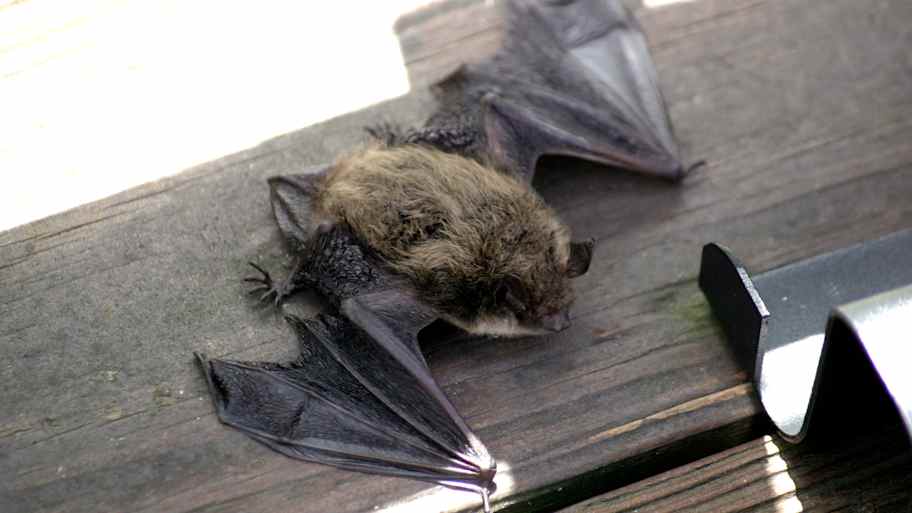
If you’ve had a prior bat infestation or simply want to avoid having bats invade your home in the first place, there are a few steps you can take without the need for a pro. 

  • Seal entry points, such as where your chimney meets your house, or other gaps or holes exist.

  • Use bat deterrents like bright lights or ultrasonic devices to force them away from your home. 

  • Reduce bat attractions like standing water and bird nectar feeders inviting bats into your yard.

When woodpeckers start banging on your walls or roof, they are probably looking for insects to eat, storing nuts for winter, drilling a hole to make a nest, or communicating with other birds to establish territory or find a mate.

The size of the hole can help determine the reason for the pecking. Small irregular holes are a result of insect hunts. Acorn holes are more consistently sized and often fitted with a nut in the middle. Nest holes are large and have rounded edges. If the bird is pecking to mark its territory or attract a mate, it may leave dents rather than holes, and the noise will stop when the mating season starts in spring.

The Voluntown, CT homeowners’ guide to bird control services

From average costs to expert advice, get all the answers you need to get your job done.