




Top-rated generator install pros.

Get matched with top generator install pros in Riverside, CT

Enter your zip and get matched with up to 5 pros

Need a pro for your generator install project in Riverside, CT?

Select your specific project to find the pro for you.

TRUSTED BY RIVERSIDE, CT HOMEOWNERS

  • Average homeowner rating star icon4.8
    Average homeowner rating
  • Verified reviews icon16
    Verified generator installs reviews

Find Generator install pros in Riverside

...
Showing 1-10 of 96
Generator Install questions, answered by experts

Sizing a generator is a careful process that requires calculating the electrical load of your entire house. You have to take into account every device you want to use and their wattage requirements, plus the wattage needed to start them, and look for a generator that can safely run all that at around 80% capacity.

In more practical terms, a small home can run on a 10,000-watt generator (and if you only want to power a few key appliances, much less than that). A mid-sized home may need something between 15,000 and 22,000 watts. Larger homes require 25,000 watts or more. 

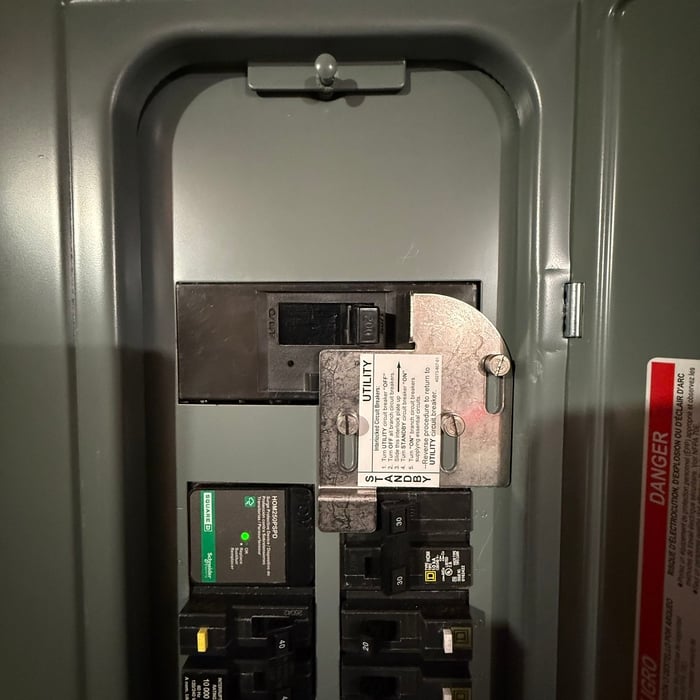
Yes, in some locations, it is required by the National Electric Code (NEC) to have a transfer switch installed for electrical emergencies. In addition to following electrical code, generator transfer switches ensure your home is fully protected during a power outage. By switching the power from the main breaker to the generator breaker, you can seamlessly operate your HVAC, lights, appliances, devices, and more during an emergency. 

An undersized whole-house generator has the potential to overheat and shut down when you try to run a central AC system. This scenario can not only damage the whole-house generator, but can also trip your home’s breakers or cause electrical damage. To avoid this situation, hire a local generator installer to correctly size your whole-house generator.

As a safety measure, you should always turn off the main breaker while operating your generator’s backup breaker. In addition, you should also switch off all appliance breakers so you don't have a power surge when the main breaker turns back on. And finally, turning off the main breaker prevents back-feeding, which endangers utility workers with the risk of electrocution. Back-feeding could also destroy the electrical circuits of your neighbors if they use the same power network.

A 10,000-watt generator can run a small to mid-sized central AC unit (typically up to 3 tons or 36,000 BTU) along with a few other appliances. However, larger AC units or additional loads will require a bigger generator. Consult a local generator installer to ensure you add the correct size generator to your home.

The Riverside, CT homeowners’ guide to generator installs

From average costs to expert advice, get all the answers you need to get your job done.