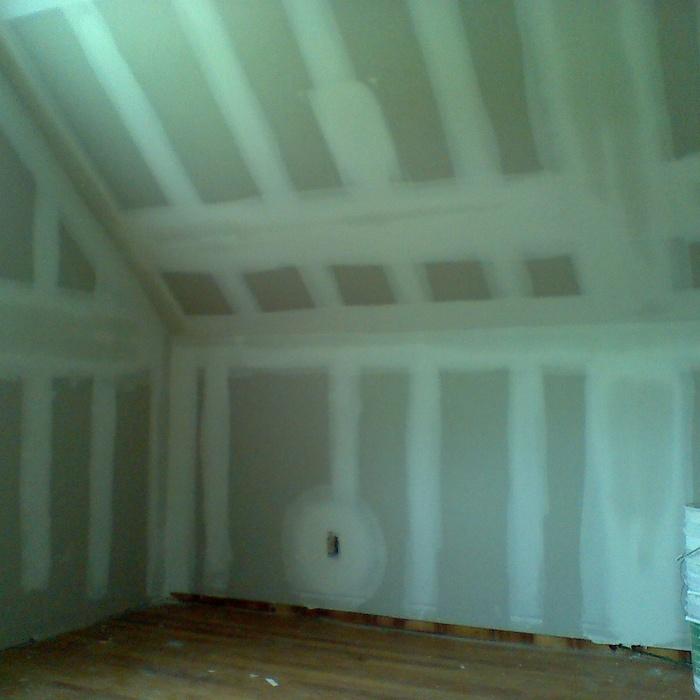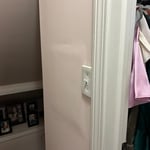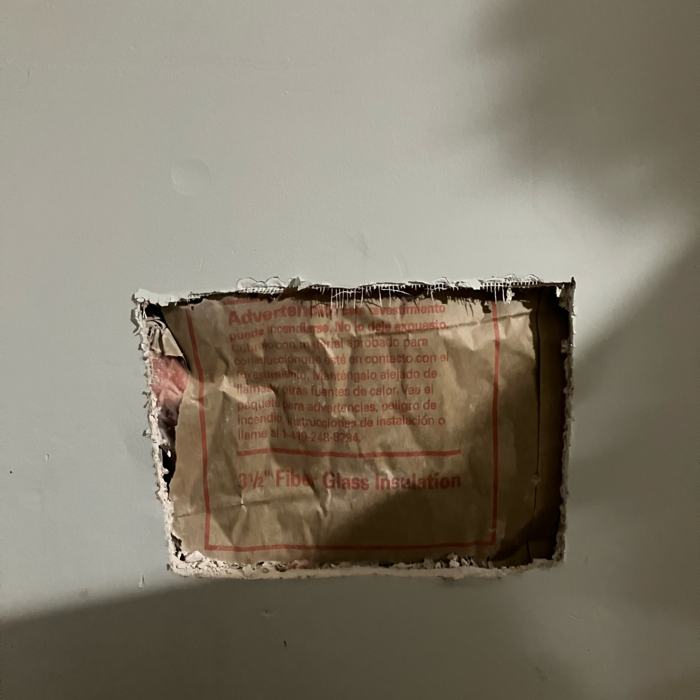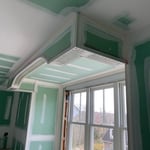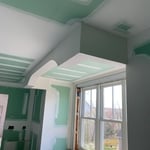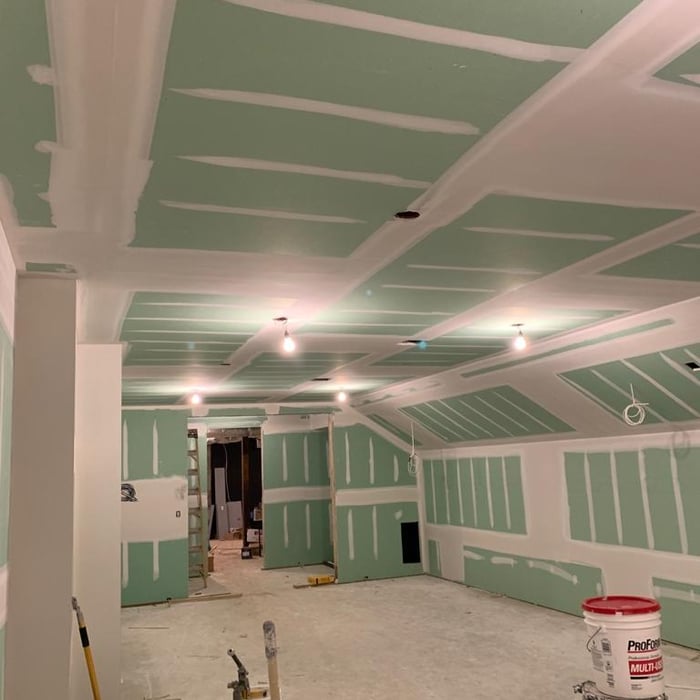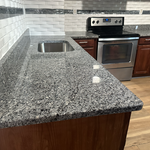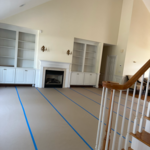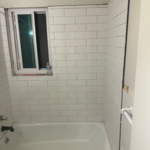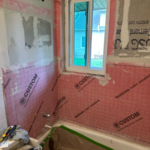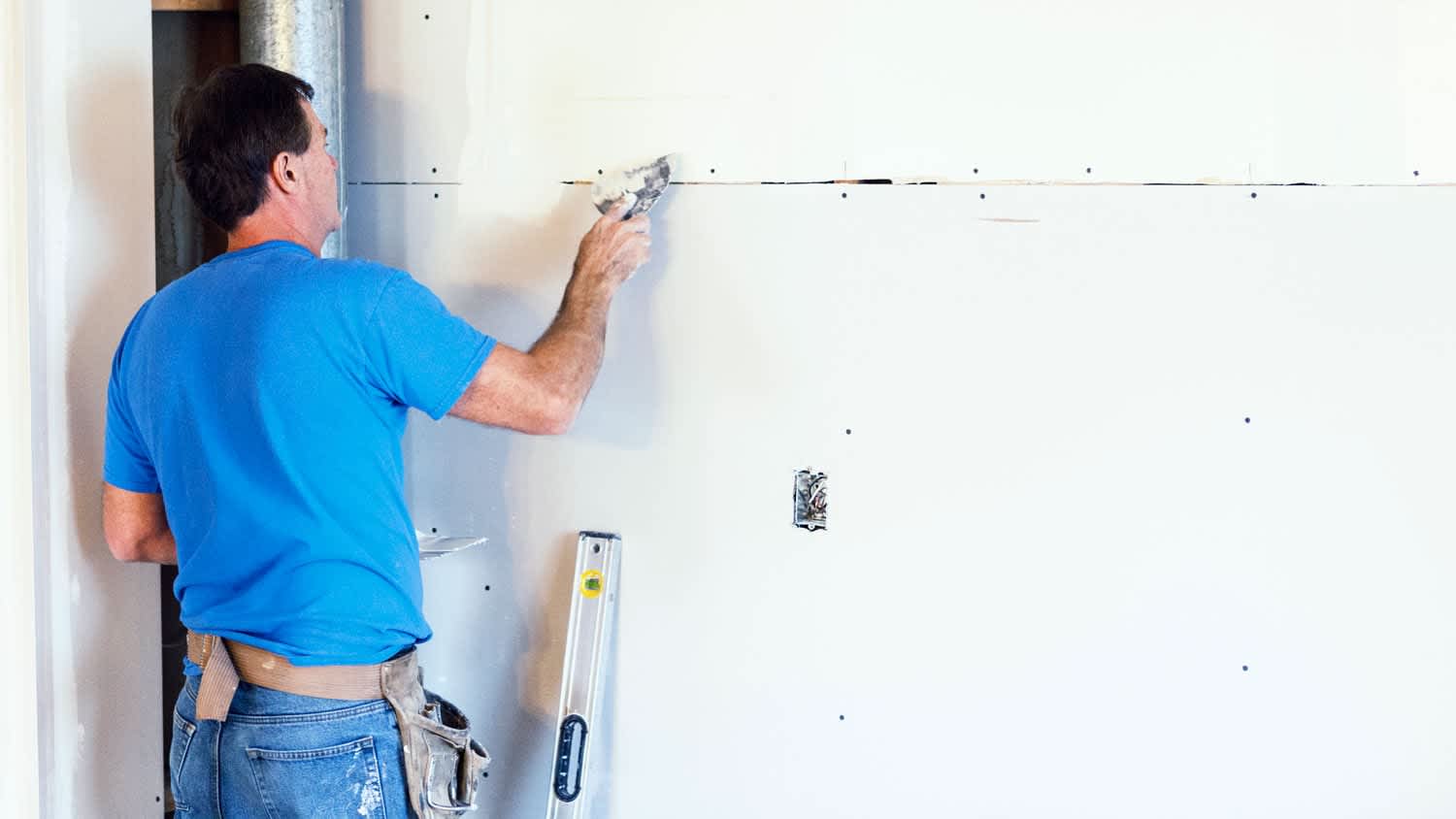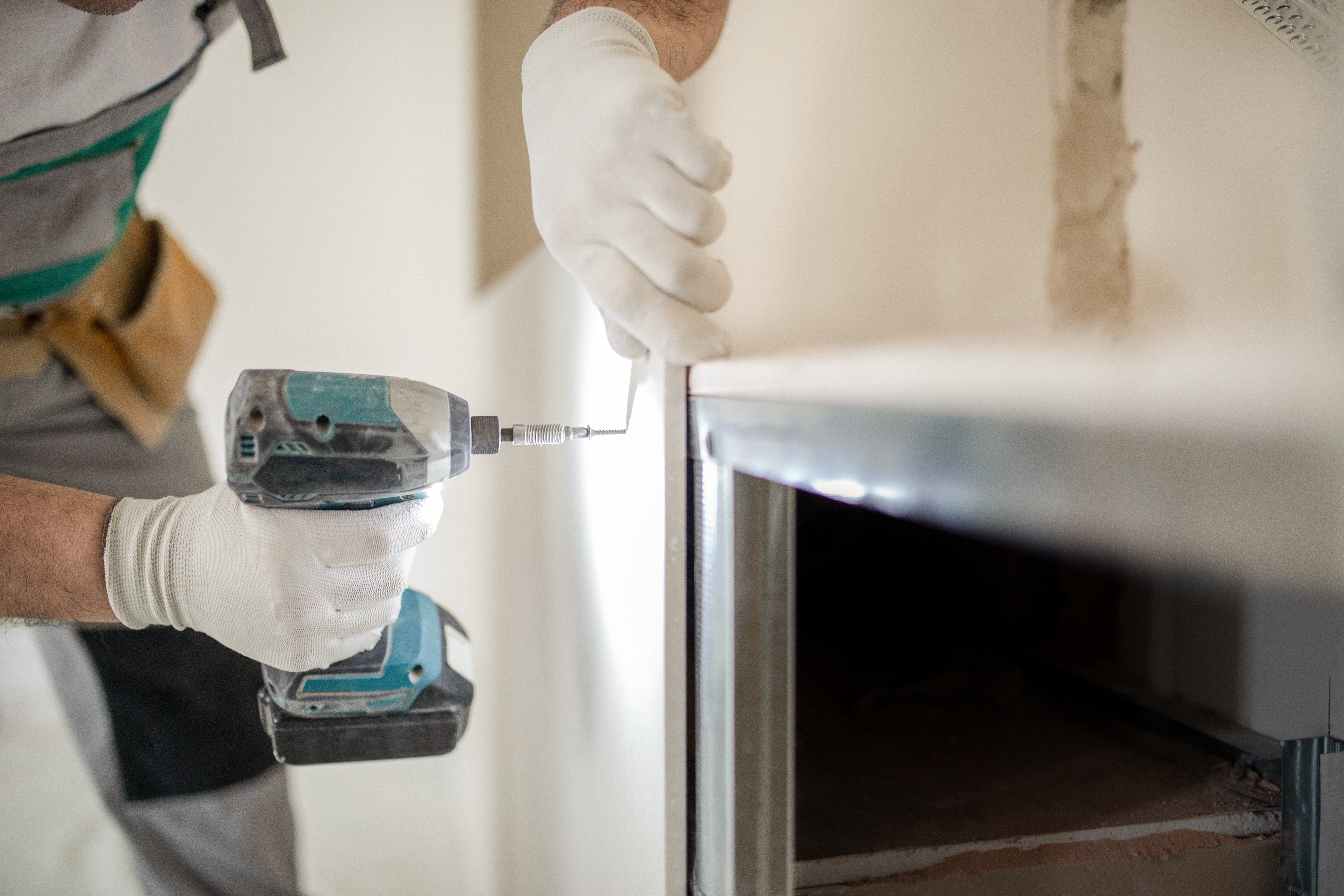



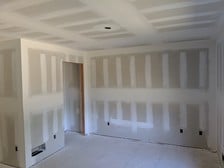
"Had a drywall install partially done in an attic so contacted them to complete the install and tape/sand it. The job was very difficult, sheetrock not even, large gaps around some pieces. But they came out, cleaned up the sheetrock and did the taping/sanding and I could not be happier with the work. Would definitely recommend them to anyone looking to get drywall work done."
"Brian responded to my email for an estimate within 2 hours of inquiry for an estimate. Estimate was good and drywall sheets were delivered within 2 days. My basement workshop had about 1100 sq ft of wall coverage and the drywall was up the following day. The mudding/finishing was followed up each day after. The whole job was 4 days start to final finish. Great work and very professional."
"We needed to replace a patch of our living room ceiling due to damage from a water leak upstairs. We contacted C&B, who responded and quoted us a price quickly. The price was fair for a multi-day job, they got it done within a week, and they even helped us repaint the ceiling. Very professional, courteous, and trustworthy. We'd strongly recommend!"
"LDA Drywall did a great job. The work was done well, in a timely manner and the work area was left as it was found. The quote was a fair price for the job. LDA fixed the hole in the ceiling within 24 hours of getting the quote."
"Job completed as promised. Was more than drywall and plaster. Included insulation, painting, trim, staining, radiator covers, electrical outlet, and great clean-up. Always on time and returned calls immediately. Suggested small improvements to planned job which enhanced the finished work. Would definitely call him again for future projects. An all-in-one home improvement expert!"
"In addition to my kitchen, they redid all my floors in the house as well as drywalling in all of my rooms. They were punctual and addressed all of my questions and always returned my calls."
On average, drywall installation costs around $2,000, with a typical range of $400 to $6,000, including materials and labor. The final price depends on several factors. The most significant is the size of the area, as many contractors charge per square foot. Other cost factors include the complexity of the job (e.g., cutting around multiple windows and doors, corners, or curved walls), accessibility, location, the thickness of the drywall, the height of the room, and the desired level of finish. The level of finish can range from simply hanging the drywall to taping and mudding the seams and painting the walls.
The easiest way to remove texture from walls is the soak-and-scrape method. You’ll need to spray a section of the wall with water and let the water soak in and soften the texture. Then, you need to scrape the texture off using a drywall taping knife. This method works best with unpainted walls since paint prevents water from saturating the textured joint compound.
Yes, a one-story house can have a load-bearing wall. The load-bearing walls in a single-story home are usually the exterior walls. If the house has a basement with exposed walls, the arrangement of the beams can help indicate what walls are load-bearing.
The tool you use to sand plaster will depend on the size of the project. If you’re just working on a small section of your wall to get rid of an uneven spot on the surface, hand-sanding might work. However, for larger projects, a drywall sander can make a huge difference when it comes to both time and elbow grease—and an orbital sander can help for detailed areas such as around ceiling fans.
You’ll get better results if you soundproof the whole wall. A hole through which light can pass can also let sound waves in. Acoustical or silicone sealant applied to holes and cracks can block enough sound to make a difference. However, the more layers absorb vibrations and slow or stop sound waves, the less noise you’ll have.

The Oxford, CT homeowners’ guide to drywall services
From average costs to expert advice, get all the answers you need to get your job done.
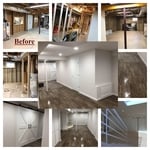
Drywall texture can create an attractive finish and add dimension to your home’s walls. This guide breaks down the factors that influence the cost to texture drywall.
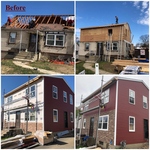
Installing drywall is the most common way to finish your home’s interior. Use this drywall installation cost guide to see what your project is likely to cost.
Whether you want to spruce up a few dents and dings or fix a large surface area, investing in drywall repair costs can return your walls to a smooth, flush look.
Understanding the plaster vs. drywall debate is key to giving your home’s walls the perfect finish. Learn more about the pros, cons, and costs with our advice.
The terms drywall and Sheetrock are often used interchangeably, but one is a brand and one is a specific product. Find out which one you need in this guide.
Thick gaps and extra joint compound can alter the look of drywall. So, should drywall be butt up against a wall? Review this guide for seamless installation.