



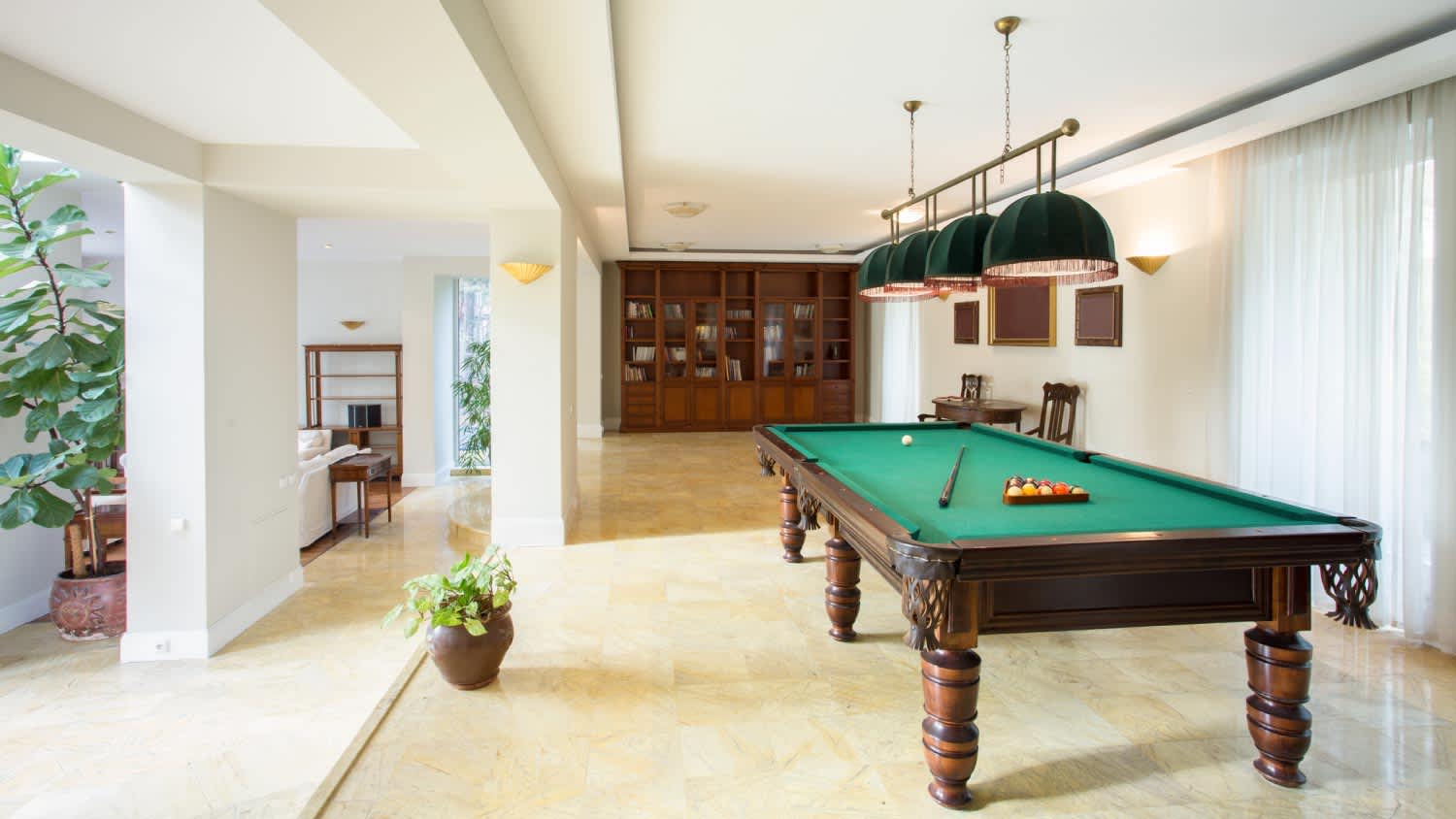
Top-rated pool table assembly pros.

Get matched with top pool table assembly pros in Oakville, CT

Enter your zip and get matched with up to 5 pros

Need a pro for your pool table assembly project in Oakville, CT?

Select your specific project to find the pro for you.

TRUSTED BY OAKVILLE, CT HOMEOWNERS

  • Average homeowner rating star icon4.4
    Average homeowner rating
  • Verified reviews icon119
    Verified pool table assembly services reviews

Find Pool table assembly pros in Oakville

...
Showing 1-10 of 128
Pool Table Assembly questions, answered by experts

In most states, it is a legal requirement to have a fence around your pool to protect both swimmers and pool owners. These laws can vary by state, city, and county, so you must research the specific regulations in your area before installation. The rules may also differ for inground versus above-ground pools, with inground pools typically requiring a full fence. Additionally, most homeowners' insurance providers will require a fence around a residential pool before providing coverage. As a general rule, it's always best to have a fence for everyone's safety.

You can use a plunge pool any time of the year, including winter. Be sure to install a pool heater if you plan to take a dip in the plunge pool when temperatures are low to avoid risk of hypothermia. You will also want to add a sturdy pool cover to protect the pool from snow, sleet, and rain during the winter months.

In-ground pools lose water naturally due to wind, heat, and humidity. They also lose water from the kiddos' cannonball competitions. But be mindful of the water level. If it drops too low and the pump draws in air instead of water, it will likely be damaged and require repair or replacement.

Avoid the dreaded pool pop by only draining your pool during dry, temperate times of the year. If there is too much moisture or the threat of ice in the ground surrounding your pool, the pressure could disrupt the stability of your pool's floors and walls. Additionally, always open the hydrostatic drains in an inground pool toward the end of the design process.

You can install an aboveground pool on various surfaces, including dirt, sand, concrete, and grass. You can’t install a pool on an uneven surface, though, so be sure to level the ground before building your pool. You also can’t install your pool on top of a rocky surface. Three or 4 inches of smooth sand or soil is the ideal surface to go under an aboveground pool.

The Oakville, CT homeowners’ guide to pool table assembly services

From average costs to expert advice, get all the answers you need to get your job done.