

Top-rated pool table assembly pros.

Best pool table assembly pros near Woodbury, CT

Enter your zip and get matched with up to 5 pros

Need a pro for your pool table assembly project in Woodbury, CT?

Select your specific project to find the pro for you.

TRUSTED BY WOODBURY, CT HOMEOWNERS

  • Average homeowner rating star icon4.6
    Average homeowner rating
  • Verified reviews icon225
    Verified pool table assembly services reviews

Top-Rated Pool table assembly pros in Woodbury - Updated Nov 2026

...
Showing 1-10 of 126
Pool Table Assembly FAQs, answered by experts

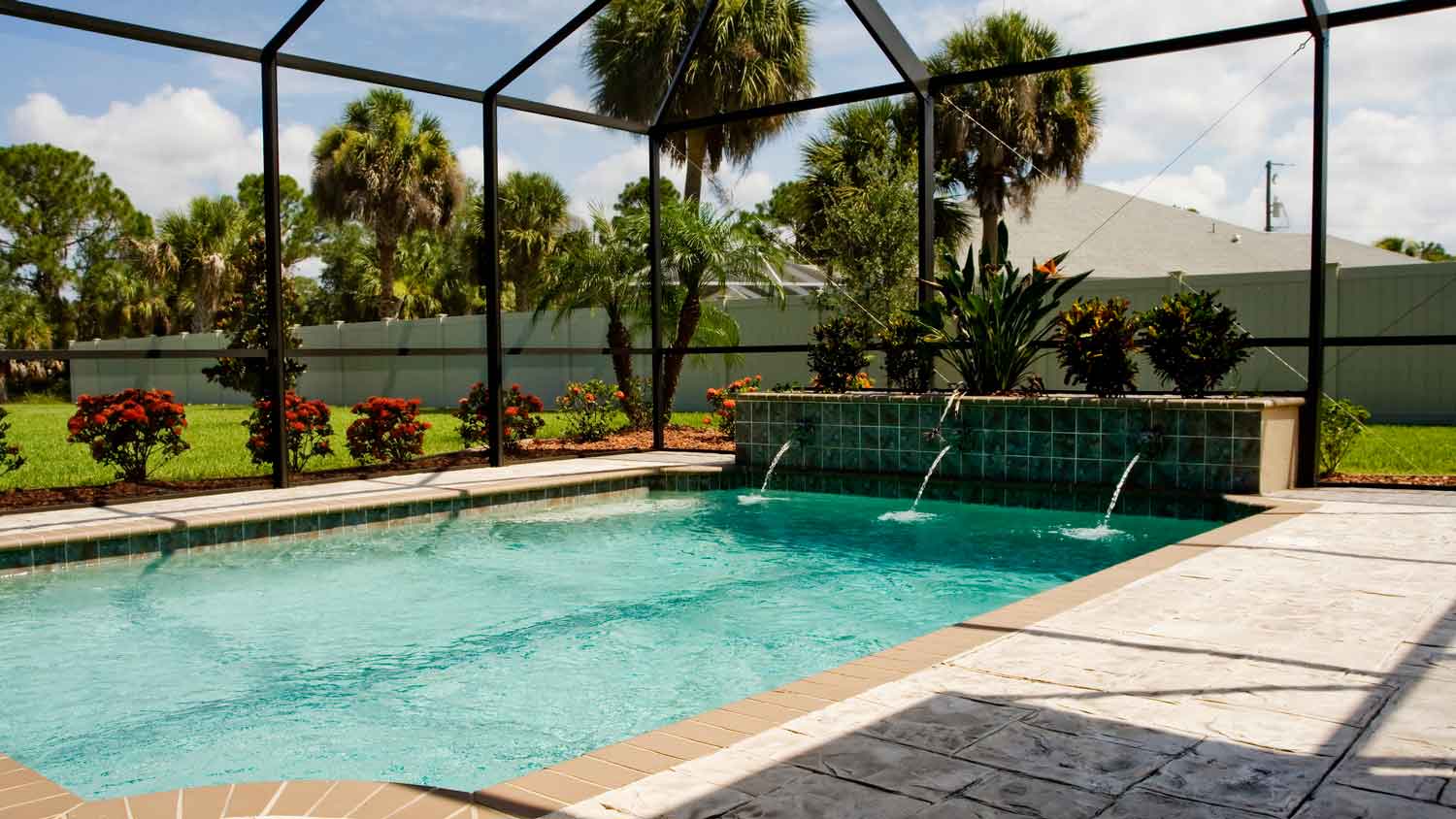
Coping is the material that lines the perimeter of a pool and seals the transition between the top of the pool wall and the water. Decking surrounds the poolscape and extends far beyond the water's edge to provide a safe walking and lounging area. In short, coping is the border between the decking and the pool itself.

At noon, when the sun is at its highest point, sunlight can naturally increase the temperature of a pool by 0.7 degrees each hour, but this can depend on other external factors. For example, evaporation caused by the sun will cause a pool to lose up to 5 degrees for every 1/2 inch of water evaporated. Using a water heater will produce more reliable results.

Both above ground and inground pools can have pool liners. Inground pools made of gunite don’t need pool liners, and you’ve probably walked along an unlined pool and felt the ripples and ridges on the floors and walls. But adding a liner over gunite or other pool types helps protect the wall panels from algae growth.

An aboveground pool should be level within 1 inch—and it starts to become unsafe after a couple of inches. Any slope will lead to an uneven distribution of water, which will put pressure on your pool’s structure, wearing down the pool liner. In certain cases, it could cause your pool to collapse. Even if you’re within a safe window, you may still notice that the water level is uneven.

The time it takes for a pool heater to heat a pool can range from eight to 48 hours, with an average of about 12 hours for the initial heating. For a more specific example, an average-sized 15,000-gallon pool may take six to 10 hours to heat up by 10 degrees. The exact duration depends on several factors, including the pool's size, the type and size of the heater, the starting water temperature, and the outside air temperature. It may take some trial and error to determine the precise time your specific pool takes to reach a desired temperature.

The Woodbury, CT homeowners’ guide to pool table assembly services

From average costs to expert advice, get all the answers you need to get your job done.