






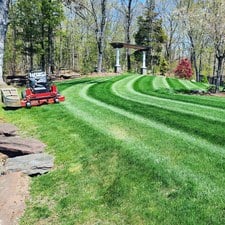
Top-rated weed maintenance pros.

Get matched with top weed maintenance pros in Meriden, CT

Enter your zip and get matched with up to 5 pros

Need a pro for your weed maintenance project in Meriden, CT?

Select your specific project to find the pro for you.

TRUSTED BY MERIDEN, CT HOMEOWNERS

  • Average homeowner rating star icon4.5
    Average homeowner rating
  • Verified reviews icon222
    Verified weed maintenance services reviews

Find Weed maintenance pros in Meriden

Total Land Management LLC
4.4(
7
)
Lawn Care - Maintain and Mow a Lawn

Serving Meriden, CT and surrounding areas

Approved

In business since 2022

Free estimates

Credit card accepted

"Our lawn was a mess .. despite fertilizing and liming and seeding for years it was a weedy crabgrass mess. We interviewed 5 groups and TLM was our top choice. They didn’t offer the same old fertilizing schedule and instead told about slicing first. He was so meticulous in his work. Now people stop us when walking by the house to comment on the green carpet"
Response time1 day
Response rate99%
3 neighbors recently requested a quote
...
Showing 1-10 of 240
Weed Services questions, answered by experts

You should add 1 to 4 inches of mulch, depending on your garden type and needs. Keep in mind that no amount of mulch can completely prevent weeds, but a heavier coverage (closer to 4 inches) can suppress weeds enough that you are only seeing them sprout every few weeks. Finer mulch prevents weeds more effectively than large mulch, so if you’re using mulched leaves or shredded bark, 1 to 2 inches will likely suffice, while 3 to 4 inches is best for larger mulch, like bark chips or straw.

No, it's not really possible to completely prevent weed growth. Weeds are incredibly resilient—all they usually need is a tiny bit of dirt to sprout, so their eventual appearance is pretty much inevitable. However, you can definitely keep them at bay by getting rid of weeds as soon as you notice them. The longer you let them sit and grow roots, the more they'll spread.

The fastest ways to kill weeds and unwanted grass include burning them, pouring boiling water on them, or pulling them out by hand, as these methods work almost instantaneously. For a quick-acting solution that works within a few hours, you can use a commercial-grade herbicide like glyphosate or a DIY vinegar, salt, and dish soap mixture. While effective, be aware that commercial herbicides introduce chemicals into your lawn. The slowest method for killing weeds is to starve them of sunlight and nutrients using mulch or fabric covers.

Glyphosate and other non-selective herbicides can kill orchard grass, but they will also kill the surrounding plants. Also, not all areas allow the use of glyphosate due to its environmental impact—which the EPA describes as a "potential risk to terrestrial and aquatic plants and birds, and low toxicity to honeybees." Consider mechanical removal to target the plants specifically.

Very carefully. You should be cautious when using any of the above methods, as any one of them could lead to you accidentally killing desired grasses and plants. However, there are selective herbicides that can target certain plants over others. Look for a product that only affects the type of weeds you want to eliminate and spares the plants you want to keep.

The Meriden, CT homeowners’ guide to weed maintenance services

From average costs to expert advice, get all the answers you need to get your job done.