






Top-rated haulers.

Get matched with top haulers in Hampton, CT

Enter your zip and get matched with up to 5 pros

TRUSTED BY HAMPTON, CT HOMEOWNERS

  • Average homeowner rating star icon4.8
    Average homeowner rating
  • Verified reviews icon33
    Verified hauling services reviews

Find Haulers in Hampton

...
Showing 1-10 of 92
Hauling questions, answered by experts

Cardboard is one of the easiest leftover packing materials to upcycle, as you can cut it and glue it to create crafts, drawer organizers, weed blockers for your garden, templates for woodworking, and more—your creativity is your only limitation. Plastic is best for crafts, but depending on the shape, you can use plastic components as indoor planters, organizational baskets, and more. Rubber bands are great for creating grips for jar or bottle lids, preventing clothes from falling off of hangers, or creating a grip for screws in damaged wood.

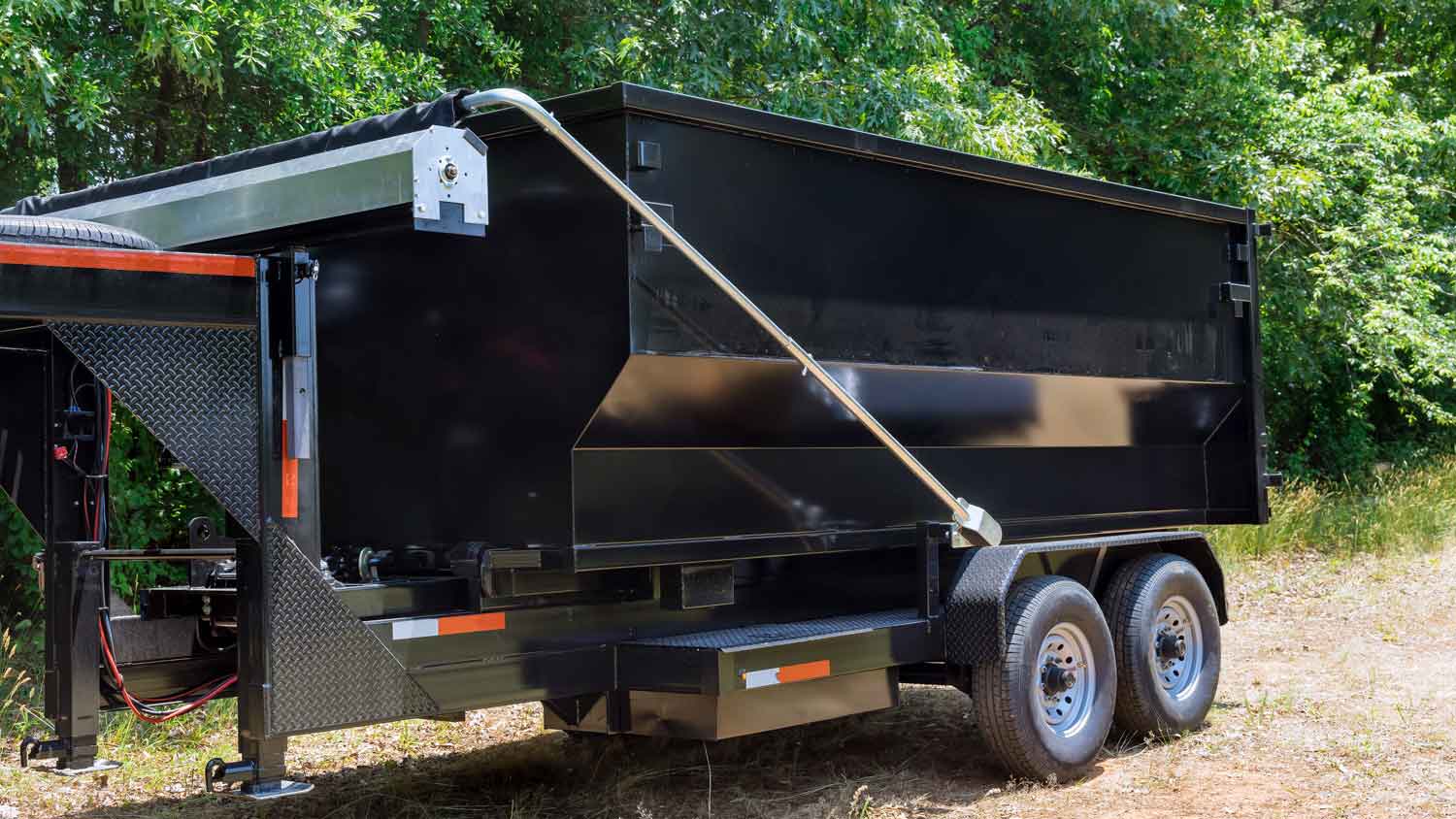
Depending on the specific model, there are multiple ways to charge the battery of a dump trailer. Some require an extension cord or wire to be plugged into a 110V AC outlet or directly into the towing vehicle. Other charging options include using solar panels or a proprietary charging system.

Most services offer weekly or biweekly pickup schedules. Additional pickups may be available upon request.

While a biohazard cleanup sounds like a scary process, knowing what to expect can help ease your concerns and set you up for success. It’s good to note that more than one professional might be needed depending on your situation, but that will be determined during the assessment. What you can expect during a home biohazard cleanup is the following:

  • Assessment: The first step in this process is for a biohazard cleanup professional to assess the damage. They create a report that includes the biohazard safety level, the needed damage cleanup, and the time it should take to complete the project. 

  • Setup: The cleanup professional prepares the site to prevent cross-contamination and reduce toxicity risk. This process can include tarping and creating decontamination zones. 

  • Removal of surface contamination: Any contaminated materials are removed from the area, starting with large materials followed by small ones. The professional can assess any floor-related damage once everything is removed from the site. 

  • Salvaging items: The biohazard cleanup professionals assess which items can be saved and which are contaminated beyond the point of saving. Those deemed unsafe will be disposed of immediately. 

  • Waste disposal: The next step is carefully disposing of the hazardous waste. Your professional will place the contaminated items in specific containers to keep the contamination from spreading.   

  • Disinfection: The house will be disinfected and odor-neutralized. Even more minor details, like light switches and bulbs, will be disinfected so that they do not recontaminate the area in the future. 

  • Restoration: Once the decontamination is complete, the last step is to restore the home. This includes repairing the damage to flooring, walls, or even the home's foundation.  

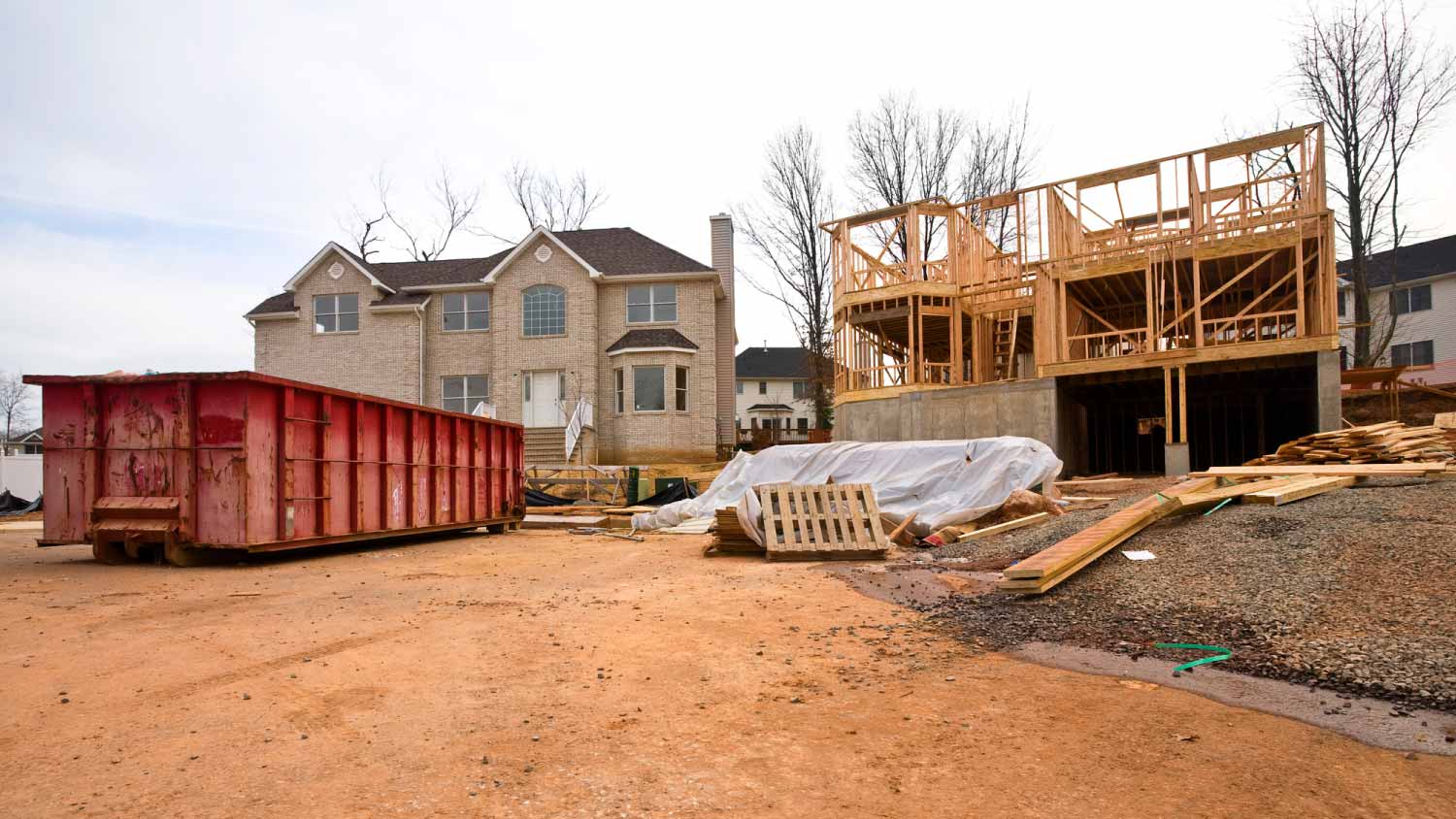
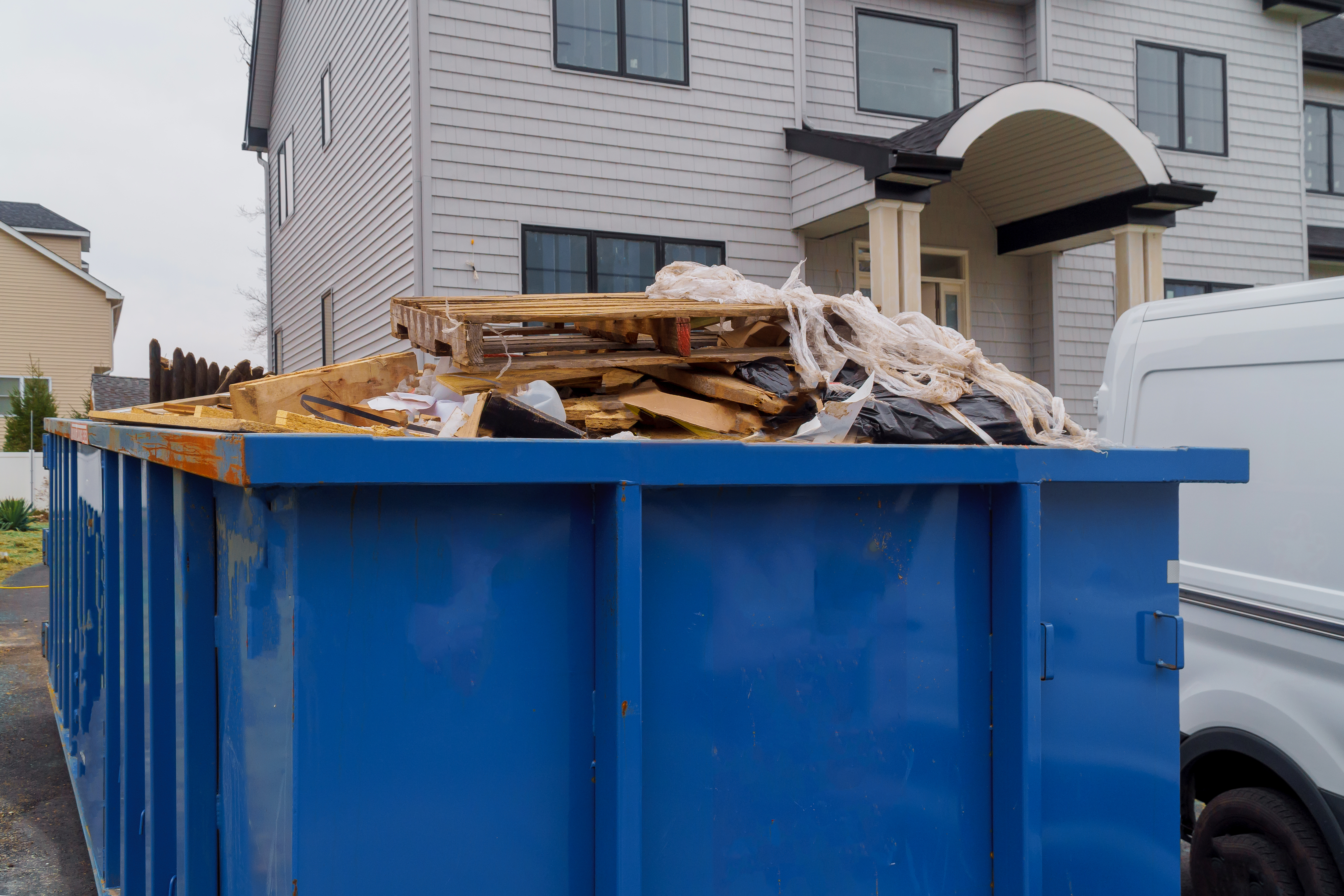
Follow the instructions of your dumpster company to pack it correctly, both for safety and efficiency. In most cases, bulk items are best at the bottom, and smaller items fill in the gaps. Try to balance the weight of your dumpster by filling the base end-to-end before piling anything else on top. Additionally, never fill the dumpster higher than the top rim so your team can safely transport it to the dump.

The Hampton, CT homeowners’ guide to hauling services

From average costs to expert advice, get all the answers you need to get your job done.