






Top-rated bathroom fan installation pros.

Get matched with top bathroom fan installation pros in Georgetown, CT

Enter your zip and get matched with up to 5 pros

Need a pro for your bathroom fan installation project in Georgetown, CT?

Select your specific project to find the pro for you.

TRUSTED BY GEORGETOWN, CT HOMEOWNERS

  • Average homeowner rating star icon4.6
    Average homeowner rating
  • Verified reviews icon1.3k+
    Verified bathroom fan installations reviews

Find Bathroom fan installation pros in Georgetown

Avatar for Kenney Electrical Services, LLC
Kenney Electrical Services, LLC
4.8(
62
)
Bath Exhaust Fan - InstallBath Exhaust Fan - Repair

Serving Georgetown, CT and surrounding areas

Approved

In business since 2018

Free estimates

Credit card accepted

"Do you know how hard it is to find a vendor in Fairfield County that does great work and is very fairly priced? I cannot say enough great things about Jason and his company. I got four prices for installing ceiling fans and Jason beat them all by about $500. Moreover, he is as first class as they come and his work is very neat and meticulous. Do not waste your time shopping around. Jason is your guy. You will not regret it."
6 neighbors recently requested a quote
Recommended by96%of homeowners

Avatar for Aries Electric, LLC
Aries Electric, LLC
4.5(
26
)
Bath Exhaust Fan - InstallBath Exhaust Fan - Repair

Serving Georgetown, CT and surrounding areas

Approved

In business since 1995

Free estimates

Offers commercial services

"Excellent consulting skills on the best way to approach a project. Aries installed a lightning protection system and some additional outlets. All work performed as expected and within quote. Have recommended this company to our neighbors. Michael M."
Gallery
Gallery
Gallery
2 neighbors recently requested a quote
Recommended by76%of homeowners

Avatar for All City Installs
All City Installs
4.9(
48
)
Bath Exhaust Fan - InstallBath Exhaust Fan - Repair

Serving Georgetown, CT and surrounding areas

In business since 2011

Free estimates

Credit card accepted

"All City Installs was great! Melvin, the installer, was professional, courteous and highly skilled. He took the time necessary to make sure everything looked right. I would wholeheartedly recommend All City Installs. My only regret was not contacting them sooner.
"
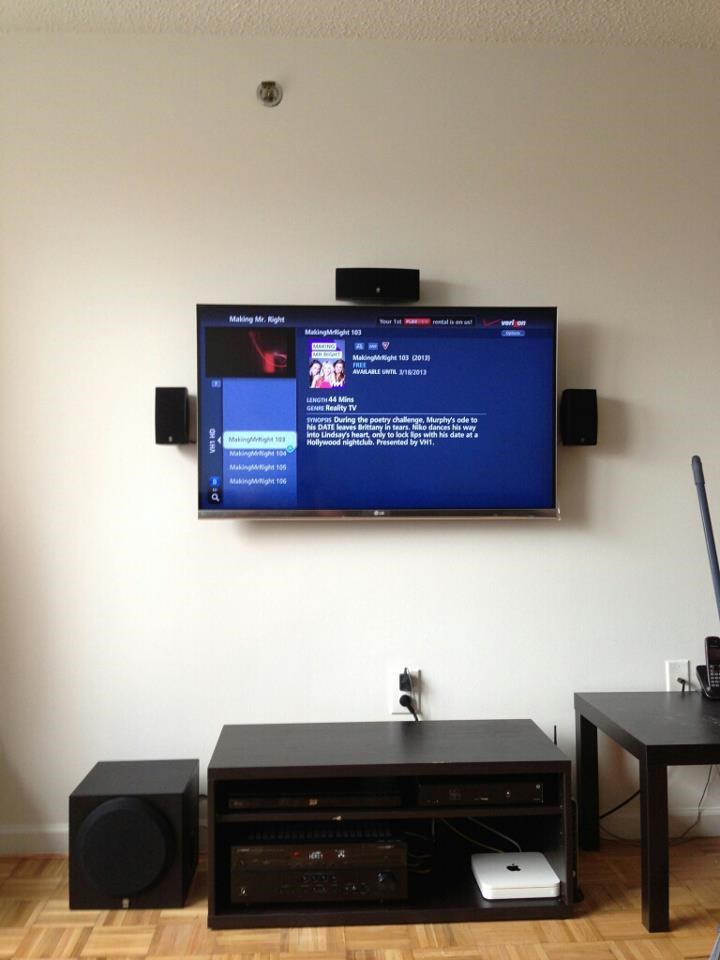
flat screen hung on the wall on a tilting bracket and concealed wires.
Additional Photos
flat screen hung on the wall, concealed wires and sound bar.
Additional Photos
Additional Photos

+5

Recommended by97%of homeowners

...
Showing 1-10 of 197
Bathroom Fan Installation questions, answered by experts

While ceiling fans shouldn’t get loose over time, they still can—especially if they’re installed incorrectly. A wobbling or tilted ceiling fan can shift the screws out of place, causing it to loosen and become a fall risk. It’s important to tighten screws and balance blades as soon as you notice that they’re misaligned or uneven to prevent the ceiling fan from loosening further and becoming a hazard.

Your blower motor may make a loud sound if the bearings overheat or wear down as your system ages. You may also hear loud noises coming from your blower if it’s struggling to pull in air due to dirty or damaged ducts, closed or blocked vents, or a dirty air filter. Typically, this causes a loud whistling sound.

Never add oil unless the fan is specifically designed for it. Most modern ceiling fans are designed with sealed bearings that don’t require oiling. However, some older fans may have oil ports for lubrication. If your fan is older and you hear squeaking or grinding, check the manual or the manufacturer’s website to see if oiling is recommended.

The more surface area that a ceiling fan blade has, the more effective it will be at producing airflow. Therefore, a longer ceiling fan blade is the better option if you’re looking for more wind. However, a longer blade will consume more energy than a shorter blade.

Before committing to this new project, you’re likely weighing the pros and cons of attic fans. The good news is that typical roof vents can only ventilate 150 to 300 square feet per unit, whereas a single attic fan can circulate enough air to vent an entire attic. By moving large volumes of air within and out of the attic space, an attic fan can lower the temperature by 15 to 40 degrees Fahrenheit and reduce moisture to prevent mold and mildew.

The Georgetown, CT homeowners’ guide to bathroom fan installations

From average costs to expert advice, get all the answers you need to get your job done.