







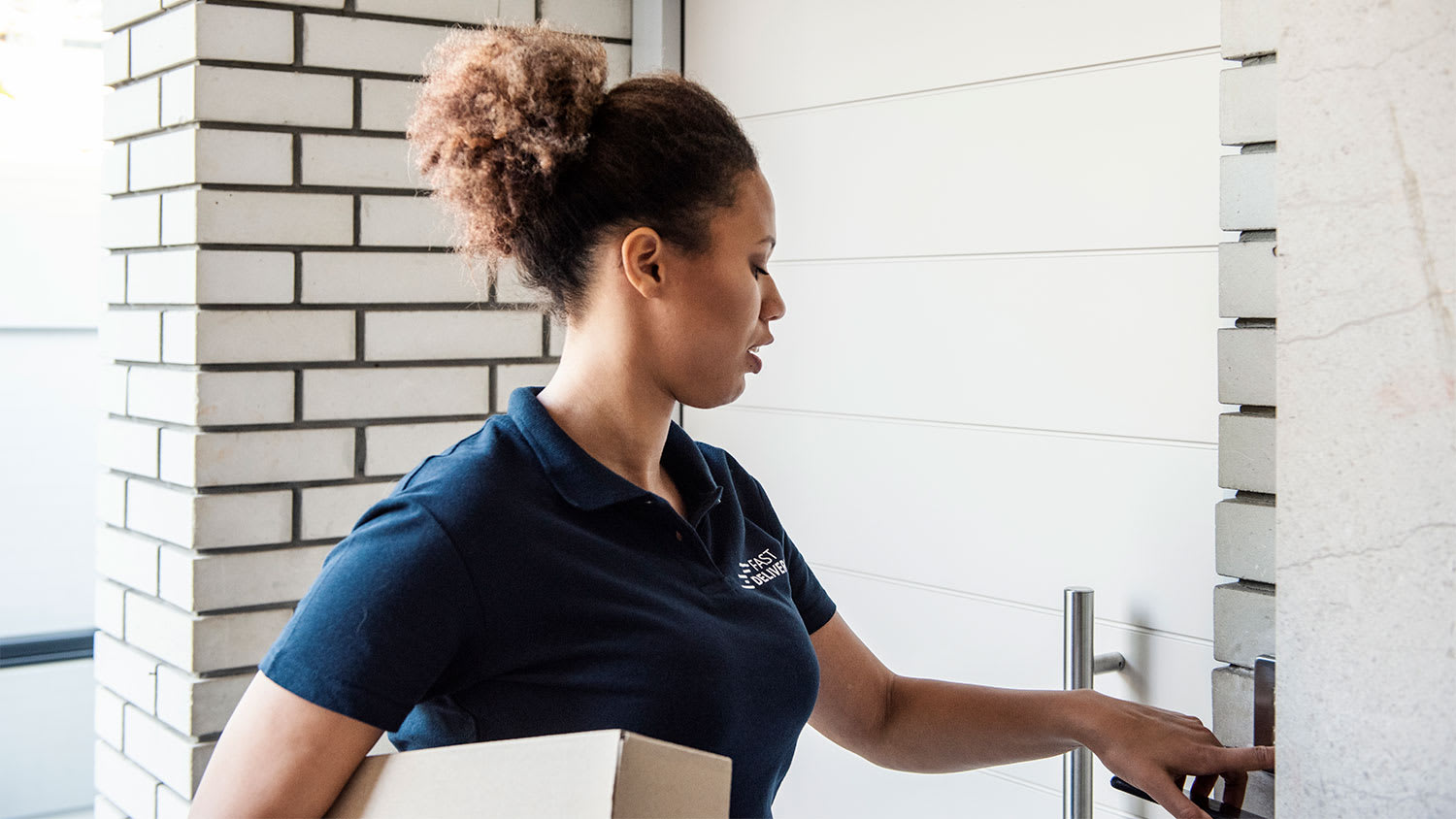
Top-rated doorbell installation pros.

Get matched with top doorbell installation pros in Ellington, CT

Enter your zip and get matched with up to 5 pros

Need a pro for your doorbell installation project in Ellington, CT?

Select your specific project to find the pro for you.

TRUSTED BY ELLINGTON, CT HOMEOWNERS

  • Average homeowner rating star icon4.6
    Average homeowner rating
  • Verified reviews icon1.3k+
    Verified doorbell installation services reviews

Find Doorbell installation pros in Ellington

No results for Doorbell installation pro in

Try adjusting your search criteria.
Doorbell Installation questions, answered by experts

Structural insulated panels and rigid foam boards have the highest R-value of any insulation that contractors commonly use, with R-values reaching up to around 8.0. These types of insulation are best in extremely cold climates, but they’re generally preferred for new construction, as they can be challenging to retrofit. Blown-in and loose fill insulation provide the next best insulative value, provided the installation is done properly. It’s important to choose an insulation type that meets your needs based on climate, as maximizing R-value may not always be financially worthwhile if you live in a moderate climate.

On average, insulating an attic costs about $2,500, with a typical range of $1,500 to $3,500. The final price often depends on the attic's size, with costs generally falling between $1 to $3 per square foot. For example, insulating a 1,800-square-foot attic would likely cost between $1,800 and $5,400.

If the project involves removing old insulation, this can add an average of $900 to the total cost, bringing a full removal and reinsulation project to around $3,000.

Several factors influence the overall cost:

  • Insulation Type: Prices per square foot vary significantly by material.

  • Reflective: $0.50–$1.50

  • Blown-in: $1–$4

  • Batt: $2–$4

  • Loose-fill: $2–$5

  • Spray foam: $2–$5

  • Structural insulated panels (SIPs): $4–$7

  • Project Complexity: Factors like sealing air leaks, poor attic accessibility, and required inspections can add to the cost.

  • Removal Issues: The discovery of mold, asbestos, or pests during the removal of old insulation can substantially increase the price.

Yes, basement insulation needs a vapor barrier due to its susceptibility to moisture seeping in from the outside of the house. You should install a moisture barrier before you install insulation or purchase insulation that comes prebuilt with a moisture barrier to avoid water damage in your insulation and costly mold and water remediation expenses. 

Several types of insulation are effective for crawl spaces, with spray foam and rigid foam boards being two of the best options. Closed-cell spray foam insulation is a strong choice because it effectively repels moisture, resists biological growth, seals the air, and provides excellent thermal protection, especially in hard-to-reach areas. Rigid foam insulation boards are another excellent material as they insulate well, resist water damage, and will not settle over time like fiberglass or cellulose.

Fiberglass is considered a favorite garage insulation choice due to its combination of affordability, ease of installation, and overall effectiveness. Fiberglass provides good thermal resistance, helping regulate garage temperatures and minimize heat transfer. Additionally, fiberglass is moisture-resistant, reducing the risk of mold or mildew formation.

The Ellington, CT homeowners’ guide to doorbell installation services

From average costs to expert advice, get all the answers you need to get your job done.