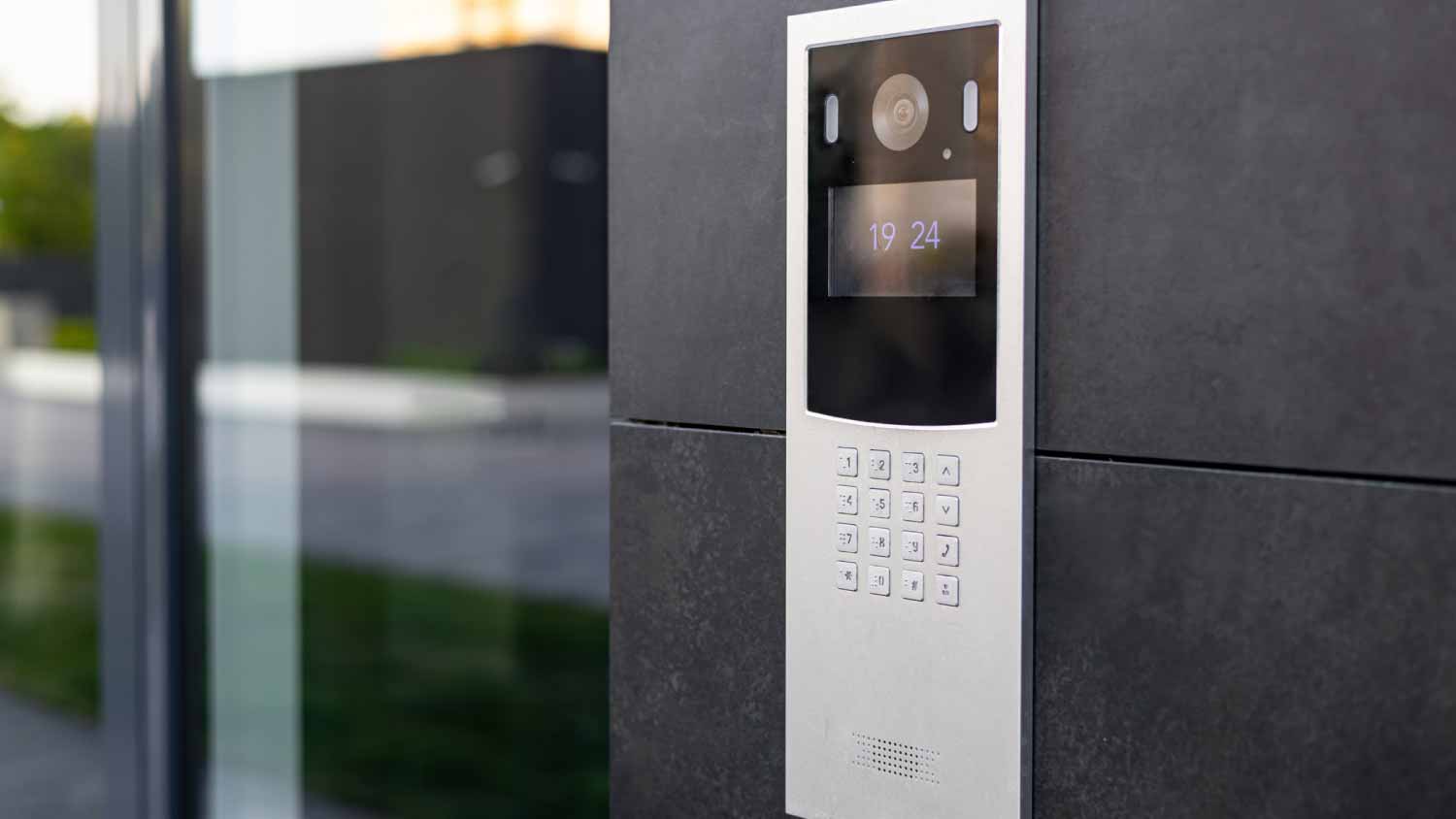






Top-rated doorbell installation pros.

Get matched with top doorbell installation pros in Broad Brook, CT

Enter your zip and get matched with up to 5 pros

Need a pro for your doorbell installation project in Broad Brook, CT?

Select your specific project to find the pro for you.

TRUSTED BY BROAD BROOK, CT HOMEOWNERS

  • Average homeowner rating star icon4.6
    Average homeowner rating
  • Verified reviews icon1.1k+
    Verified doorbell installation services reviews

Find Doorbell installation pros in Broad Brook

No results for Doorbell installation pro in

Try adjusting your search criteria.
Doorbell Installation questions, answered by experts

While fiberglass is dangerous to work with, it’s a perfectly safe material once it’s installed. If you’re tackling the installation yourself, make sure you take the proper safety precautions and wear the right gear to avoid skin and eye irritation and lung complications. Working with a professional insulation company can mitigate these risks.

Unfaced wall insulation is easier to cut and install, making it the better choice for a DIY project. It’s also more affordable. But if it’s unfaced, you’ll likely need to add a vapor barrier to reach your desired R-value and efficiency, as it doesn’t offer any moisture barrier.

Faced insulation uses paper or foil to create a built-in barrier and doesn’t require an extra step. It’s also more fire-resistant and safe. But it’s quite a bit more expensive and a little bit harder to work with as a DIYer.

We do not recommend fiberglass insulation for soundproofing purposes, especially if you are working on a room that’s part of your living space. Fiberglass insulation is dangerous, and the installation process is hazardous. It is also harmful to the environment. When there are so many newer, healthier non-fiberglass alternatives in the market, the lower cost of fiberglass insulation simply doesn’t justify the harm and danger it poses.

Radiant barriers and insulation serve different purposes, so one is not inherently better than the other. Radiant barriers reflect radiant heat, helping keep spaces cool, especially in hot climates, while insulation slows heat transfer through conduction. For optimal energy efficiency, it’s best to use both together. 

Radiant barriers can enhance the performance of insulation by preventing heat gain in the summer and heat loss in the winter. The choice between them depends on specific climate conditions and the building’s design requirements.

On average, insulating an attic costs about $2,500, with a typical range of $1,500 to $3,500. The final price often depends on the attic's size, with costs generally falling between $1 to $3 per square foot. For example, insulating a 1,800-square-foot attic would likely cost between $1,800 and $5,400.

If the project involves removing old insulation, this can add an average of $900 to the total cost, bringing a full removal and reinsulation project to around $3,000.

Several factors influence the overall cost:

  • Insulation Type: Prices per square foot vary significantly by material.

  • Reflective: $0.50–$1.50

  • Blown-in: $1–$4

  • Batt: $2–$4

  • Loose-fill: $2–$5

  • Spray foam: $2–$5

  • Structural insulated panels (SIPs): $4–$7

  • Project Complexity: Factors like sealing air leaks, poor attic accessibility, and required inspections can add to the cost.

  • Removal Issues: The discovery of mold, asbestos, or pests during the removal of old insulation can substantially increase the price.

The Broad Brook, CT homeowners’ guide to doorbell installation services

From average costs to expert advice, get all the answers you need to get your job done.