





Top-rated paving pros.

Get matched with top paving pros in Westcliffe, CO

Enter your zip and get matched with up to 5 pros

Need a pro for your paving service project in Westcliffe, CO?

Select your specific project to find the pro for you.

Find Paving pros in Westcliffe

Avatar for 1 Oak Paving
1 Oak Paving
New to Angi
Asphalt Paving - InstallAsphalt Paving - Repair or PatchAsphalt Paving - Install- For Business+1 more

Serving Westcliffe, CO and surrounding areas

Approved

In business since 2010

Free estimates

Credit card accepted

We pride our company on reliability, great communication, integrity, and quality work. We strongly believe in giving our absolute best in all of our projects no matter how big or small. We are experts in our trade and will always keep you educated on your particular task or project. We look forward to earning your business!

Response time2 days
Response rate96%
12 neighbors recently requested a quote
Showing 1-10 of 29
Paving Services questions, answered by experts

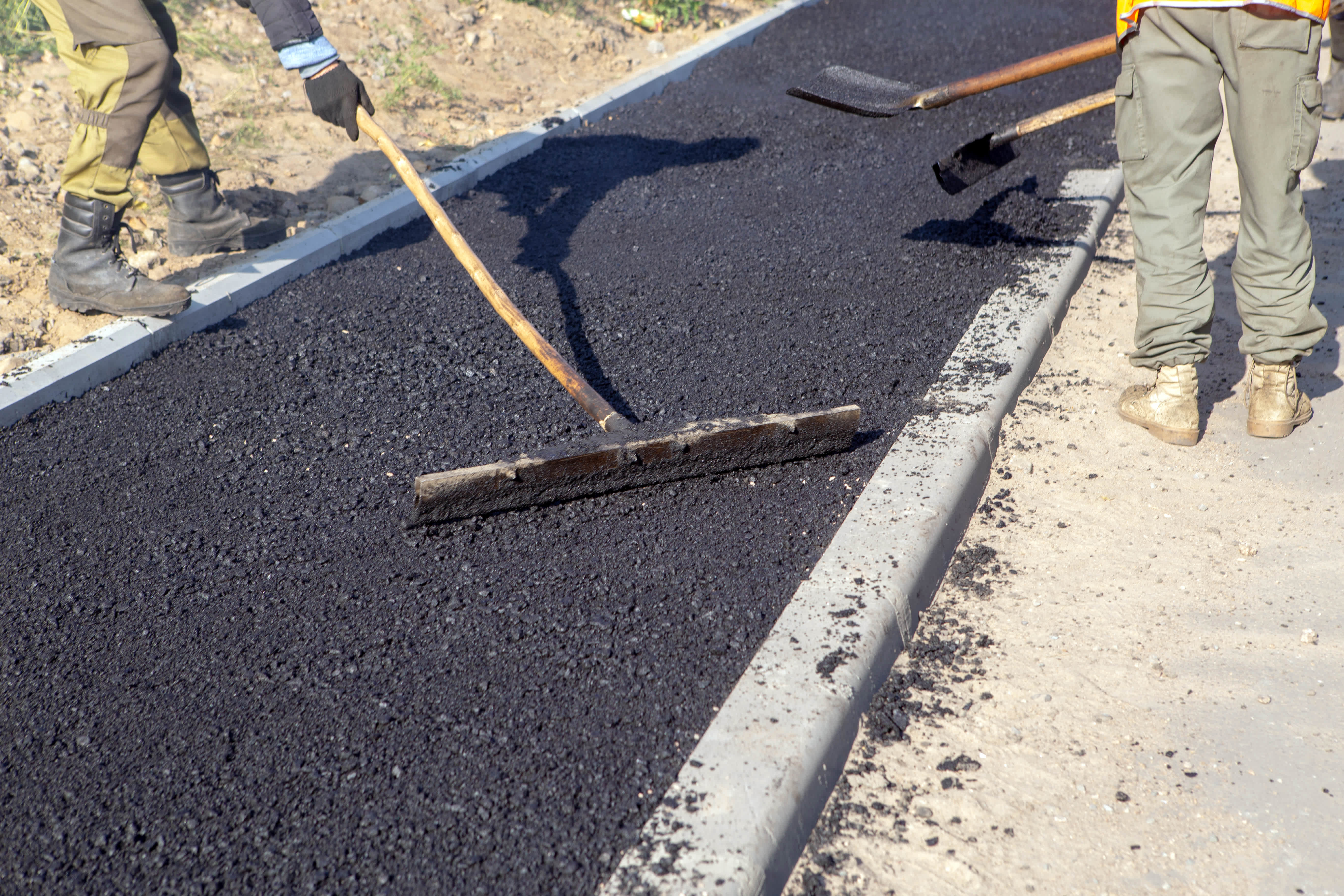
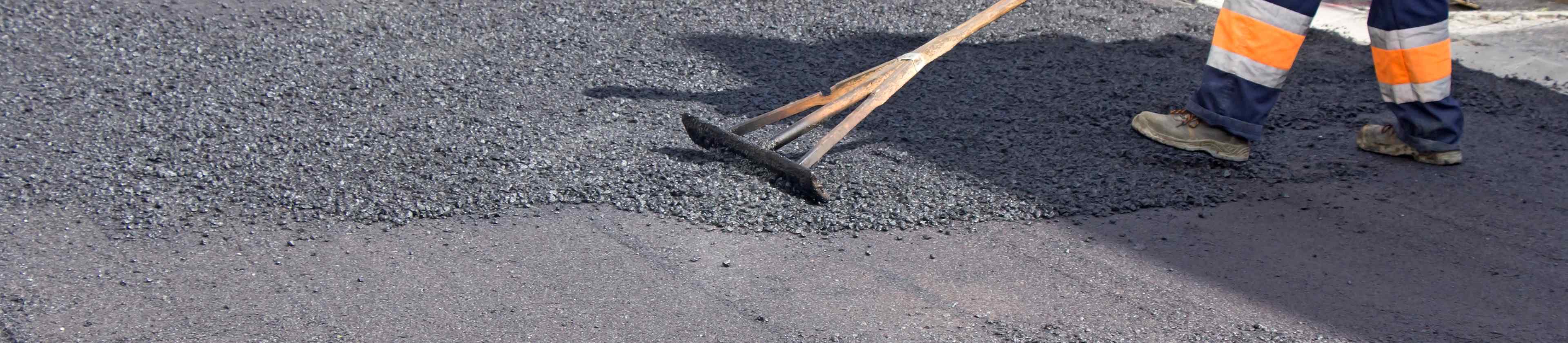
The average cost of 1,500 square feet of asphalt ranges from about $10,500 to $22,500, depending on location, thickness, base material, and how accessible the job site is to crews and equipment. Keep in mind that your asphalt material cost may vary depending on its type, ranging from porous asphalt to heated blacktop. Standard asphalt costs $7 to $13 per square foot.

Yes, a paved or repaved driveway can boost your home's value by increasing its curb appeal and the functionality of your outdoor space. A new driveway can add anywhere from $5,000 to $20,000 to a property's value. An old, crumbling driveway can be a red flag for potential buyers and inspectors.

The amount of value added depends on the materials used, the design, and local market conditions. Concrete is often cited as adding the most value due to its long lifespan, though asphalt may be more desirable in colder climates. The return on investment is greatest when replacing a driveway that is in poor condition; repaving a driveway that is already in good shape will not yield as significant an increase in value.

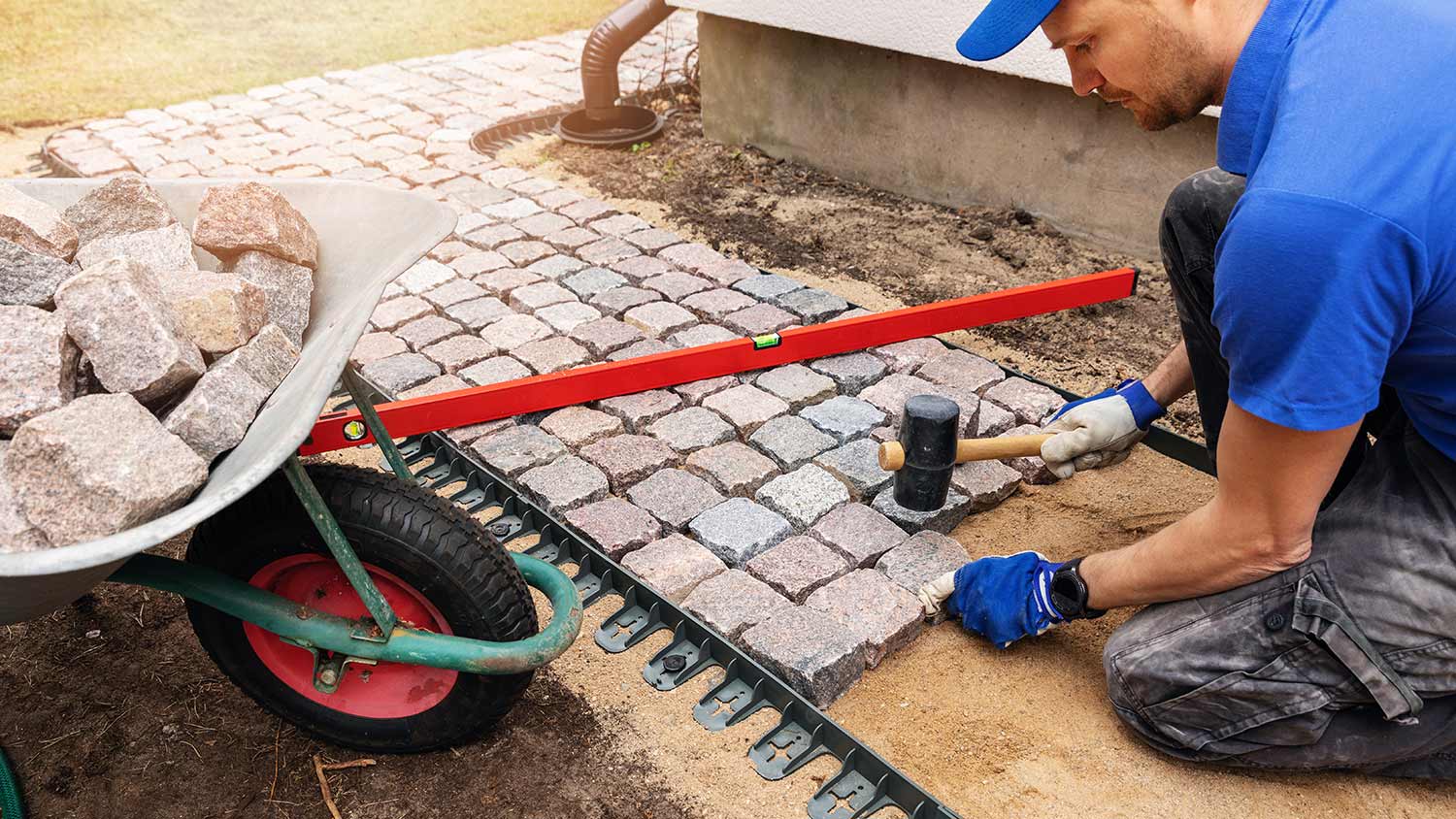
After removing existing moss, consider using paver blocking sand to fill the joints. This specialty material hardens once placed and serves as an effective barrier against moss and weeds. From there on, regularly clean your pavers and try to keep them dry. You can also seal your paver as a semi-permanent solution — just make sure you reseal every 3 to 5 years.

Yes, you should lightly wet the sand with a hose before laying the pavers on top. This activates the bonding agents in the sand, ensuring that your pavers don’t shift around during the installation process. However, you should make sure that the sand is not soaked; overwatering can cause the sand and pavers to not set properly.

Asphalt and tarmac are not the same thing. Traditional tarmac, short for tarmacadam, uses tar as a binder to hold crushed stone together. Asphalt uses bitumen—a byproduct of crude oil—to bind aggregate. Though tarmac was once a go-to for roads, asphalt has become the modern standard. And these days, most surfaces referred to as “tarmac” are actually asphalt. So, while the names may overlap, the key distinction lies in the binder—tar for tarmac and bitumen for asphalt.

The Westcliffe, CO homeowners’ guide to paving services

From average costs to expert advice, get all the answers you need to get your job done.