





Top-rated excavation pros.

Get matched with top excavation pros in Telluride, CO

Enter your zip and get matched with up to 5 pros

Need a pro for your excavation project in Telluride, CO?

Select your specific project to find the pro for you.

Find Excavation pros in Telluride

Avatar for Gingerich Concrete & Excavation
Gingerich Concrete & Excavation
4.6(
30
)
Building Site - Preparation and ClearingBuilding Site - Preparation and Clearing - For BusinessExcavation - Major Grading or Resloping+1 more

Serving Telluride, CO and surrounding areas

Approved

In business since 2013

Free estimates

Offers commercial services

Gingerich Concrete & Excavation is the leader in providing our customers with the highest quality service in an honest, efficient, and professional way. Our pledge is to create successful relationships with our customers, employees and community by building trust, treating every project with the utmost integrity and exceeding expectations. We look forward to working with you!\n

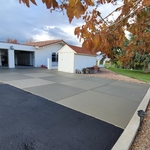
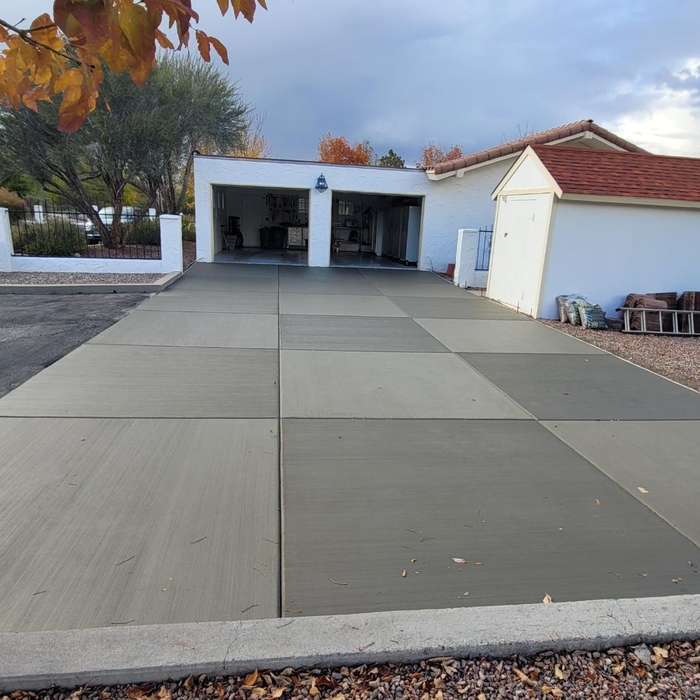
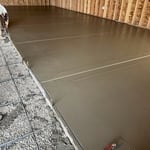
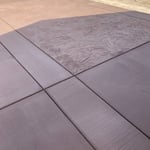
Stamped concrete apron
Driveways
Driveways
Recommended by84%of homeowners
Showing 1-10 of 48
Excavating questions, answered by experts

Septic drain lines (or leach lines) are typically buried between 18 and 36 inches underground, and should be at least 6 inches below the surface. These pipes are perforated and surrounded by filtering materials like sand or gravel. Burying the lines at this depth helps minimize odors and allows bacteria and other biological processes in the soil to effectively treat the wastewater. Burying lines too close to the surface can cause issues unless the soil is very compact and stable.

Whether you grind or dig up and remove your tree stump depends on your landscaping goals. Using a stump grinder leaves the root system in place for it to decompose over time, whereas digging up the tree stump removes the roots and the stump. Overall, stump grinding is a far simpler process since you won’t need to deal with the roots. Stump removal will make your yard look like a demolition site, but you’ll have an easier time replanting in the same place as your former tree.

Trenching is a specific kind of digging. Trenching means digging a depression in the earth that’s deeper than it is wide, often with heavy machinery. Digging refers to any kind of removal of earth in order to create a human-made depression, hole, or cut in the earth’s surface. You can dig with big tools or even with just a hand shovel.

Hard soil could be a sign of overly dry dirt, either from poor drainage or drought. It's important to test the nutrient levels, density, and drainage capacity of your soil to see if it's absorbing water properly. Begin by adding a light layer of water and observing how long the soil retains moisture. If you experience a good deal of runoff, you may need to aerate your lawn, apply a wetting agent, or hire a professional for a closer look.

Digging a well can cost between $20 and $25,000, depending on your needs. If you’re looking to dig a well yourself, all you need is a shovel. If you’re looking to have a well drilled by a professional, you can expect to pay around $15 to $30 per foot. The total cost of drilling a well will average to $5,500.

The Telluride, CO homeowners’ guide to excavation services

From average costs to expert advice, get all the answers you need to get your job done.