






Top-rated deck cleaning pros.

Get matched with top deck cleaning pros in Telluride, CO

Enter your zip and get matched with up to 5 pros

Need a pro for your deck cleaning project in Telluride, CO?

Select your specific project to find the pro for you.

Find Deck cleaning pros in Telluride

Avatar for The Brickey Builders, Inc.
The Brickey Builders, Inc.
4.4(
4
)
Deck, Fence, Patio or Porch - Clean and Seal

Serving Telluride, CO and surrounding areas

In business since 2014

Free estimates

Warranties offered

We strongly believe in giving our customers the most for their money. We work with only the highest quality materials and experienced professionals. With over 10 years of experience, we have consistently focused on the needs of our customers, providing personalized attention and a stress free experience. This approach has set us apart from our competition and keep our customers coming back! Give us a call today!

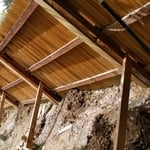
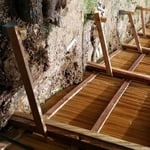
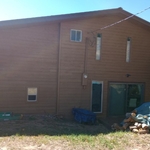
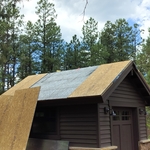
Extra supports!
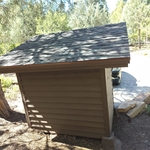
Lean on me!
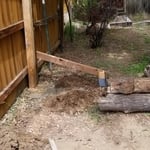
Added supports because land was washing away.
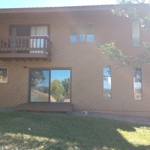
The other side
Response time5 hrs
Recommended by100%of homeowners
Showing 1-10 of 20
Deck Cleaning questions, answered by experts

When sourced responsibly, the most sustainable wood decking options are timber trees like redwood, pine, Douglas fir, Nootka cypress, and Western red cedar. These tree species are fast-growing with low carbon emissions. Plus, most timber woods make durable deck materials because of their resistance to rot and decay over time. 

The best direction for a gate to swing depends on its location and purpose, but swinging inward is the general rule. An inward swing is often considered safer, prevents the gate from opening into public spaces like a sidewalk, and may be required by local building codes.

There are exceptions and specific considerations. If your property is on a slope, an inward swing might not be possible. For a deck gate, it's safest to have it swing away from any steps. In a backyard, the direction can be a matter of preference, though an inward swing can be helpful when carrying heavy items like a wheelbarrow into a garden.

Regardless of direction, ensure the gate can open fully without hitting any objects or blocking spaces. While an inward swing is standard, a gate that can swing both in and out offers the most flexibility if your setup allows for it.

Staining and sealing the underside of a deck creates a moisture barrier but traps water in the boards, quickly leading to rot. No matter how well you seal the above deck, water still gets through via nails and screw heads on the surface. Allow this water to flow naturally under the deck, where it is routed through the drainage system.

Most building codes require that spindles or balusters on deck and stair railings be spaced no more than four inches apart. This safety standard, often called the '4-inch sphere rule,' is designed to prevent small children or pets from slipping through the railing. A good way to visualize this is that a 4-inch sphere should not be able to pass between two spindles. For the same safety reason, the space between the bottom rail and the deck floor should also be no more than four inches. As a general guideline, professionals often install three balusters per foot of railing. However, since specific requirements can vary by location, it is crucial to check your local building codes to ensure compliance before starting your project.

The best base materials for a ground-level or floating deck are typically gravel and crushed stone (also known as landscaping rocks). These options are inexpensive, provide excellent drainage, prevent weeds, and help minimize moisture buildup, which reduces shifting and rotting. For added stability and to evenly distribute the weight, you can use concrete deck blocks or pavers. While more expensive, concrete blocks and pavers offer a sturdier base than gravel or crushed stone alone.

The Telluride, CO homeowners’ guide to deck cleaning services

From average costs to expert advice, get all the answers you need to get your job done.