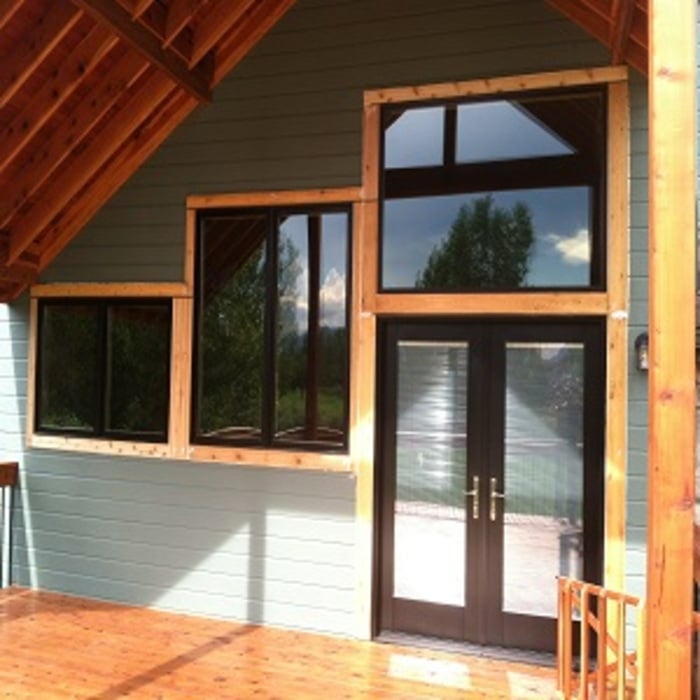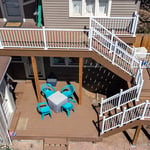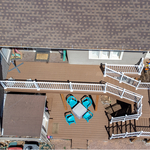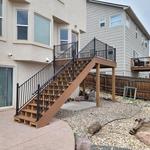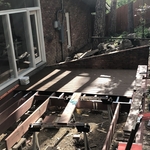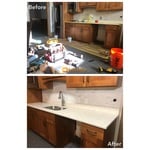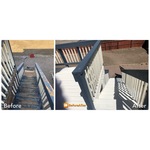


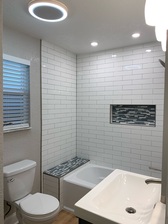




I have been in the business of custom homes,decks,siding,room additions, remodel for 35 + years.. we do quality work,, our motto is quality without compromise
"He was super professional and aims to please. I was so worried that I would have to move furniture- he makes everything happen and makes the process a breeze! He is very thorough and precise, will make sure that you are completely satisfied with the job. If you want a high quality paint job, dependability, and appropriate pricing- Hire him! Rating 1-10, I give home a 10+!"
"While we were working on the last project, we ran into bad workmanship from prior work done. Todd showed what was wrong, and I approved the repairs. He made the corrections and I am pleased."
"She is wonderful - does everything and anything. I can't speak highly enough of her! I have been in construction for over 20 years and I know good work when I see it and she exceeds all expectations."
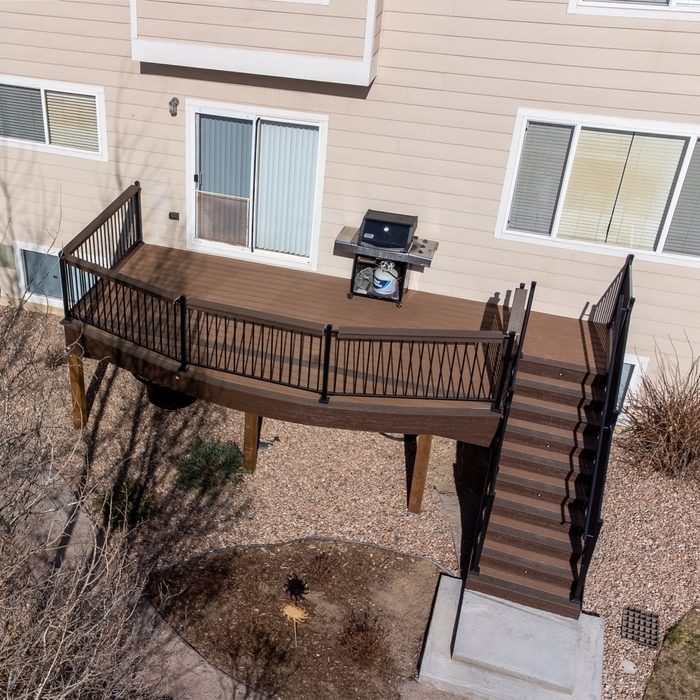
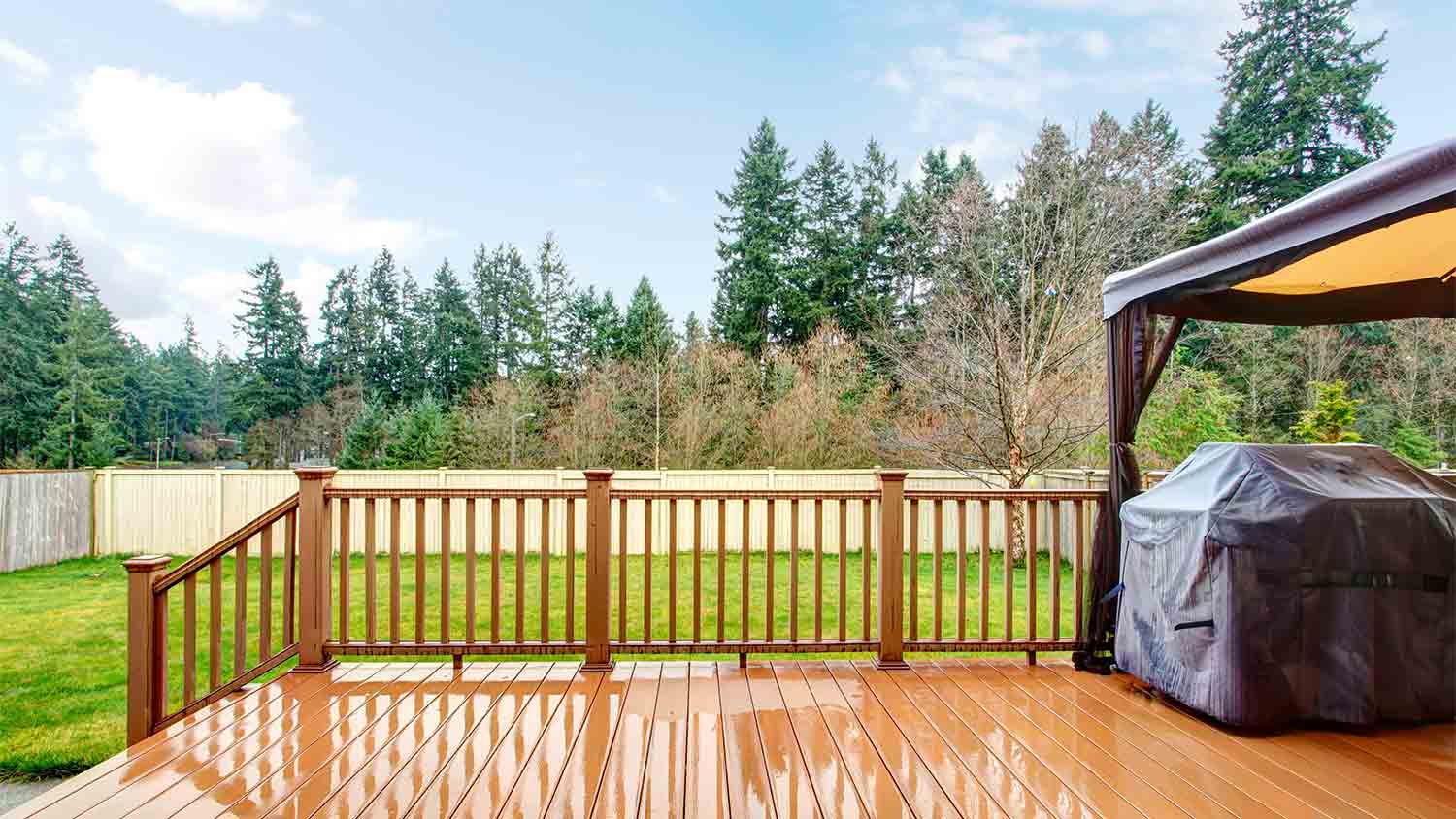
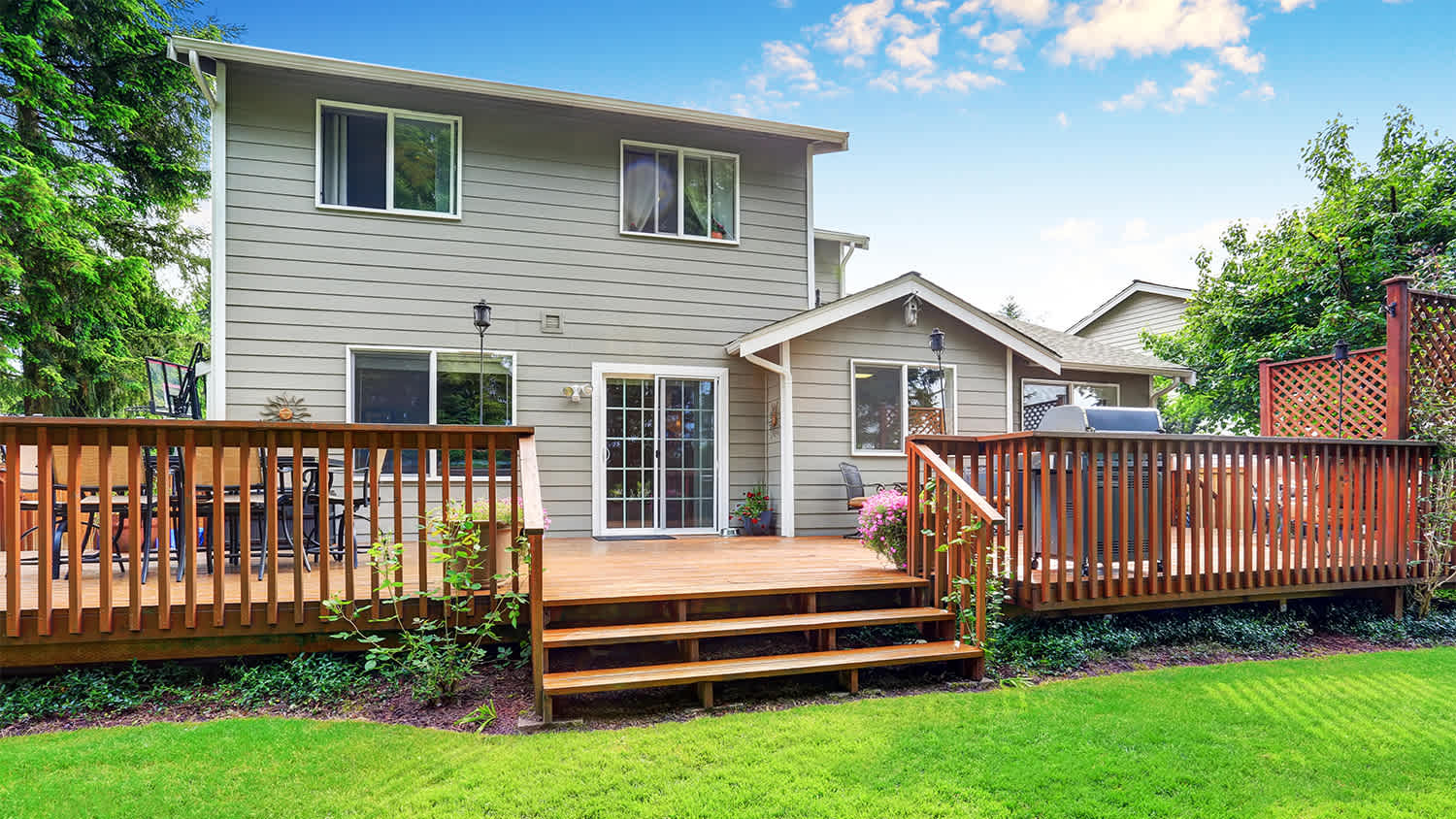
Most building codes require that railing spindles (also known as balusters) on decks or stairs be spaced no more than four inches apart. This safety standard is often called the '4-inch sphere rule,' which means a sphere with a 4-inch diameter should not be able to pass through the opening between balusters. This rule is in place to prevent small children and pets from slipping through the railing. For the same reason, the space between the bottom rail and the deck or floor surface should also be no more than four inches. As a general guideline, professionals often install three balusters per foot of railing. However, since specific requirements can vary by location, it is essential to check your local building codes to ensure compliance before starting your project.
The problems with composite decking include a high rate of expansion and contraction from temperature swings. This characteristic can cause boards to split, delaminate, or peel. In addition, significant movement can cause shrinking, warping, twisting, and bending. For this reason, you should minimize moisture and ensure proper airflow below your deck.
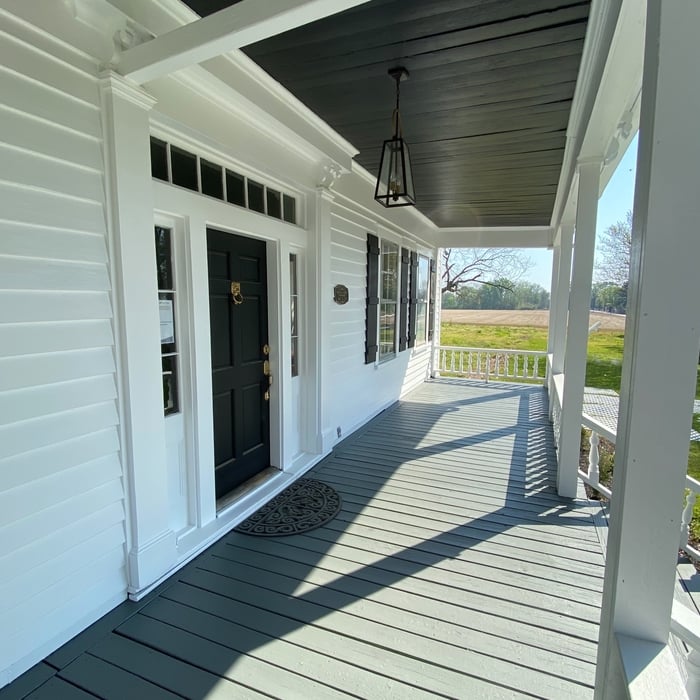
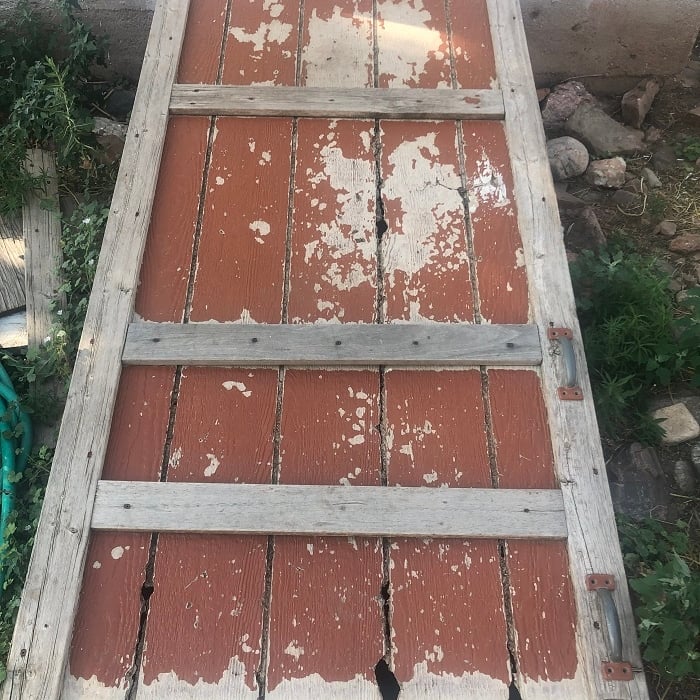
Always sand a deck before repainting so the wood is smooth and ready for paint. While you do not need to fully remove paint before repainting, sanding helps remove any areas with weather and sun damage. Sanding also helps remove chipped or flaking paint and opens the wood pores to improve paint adhesion.
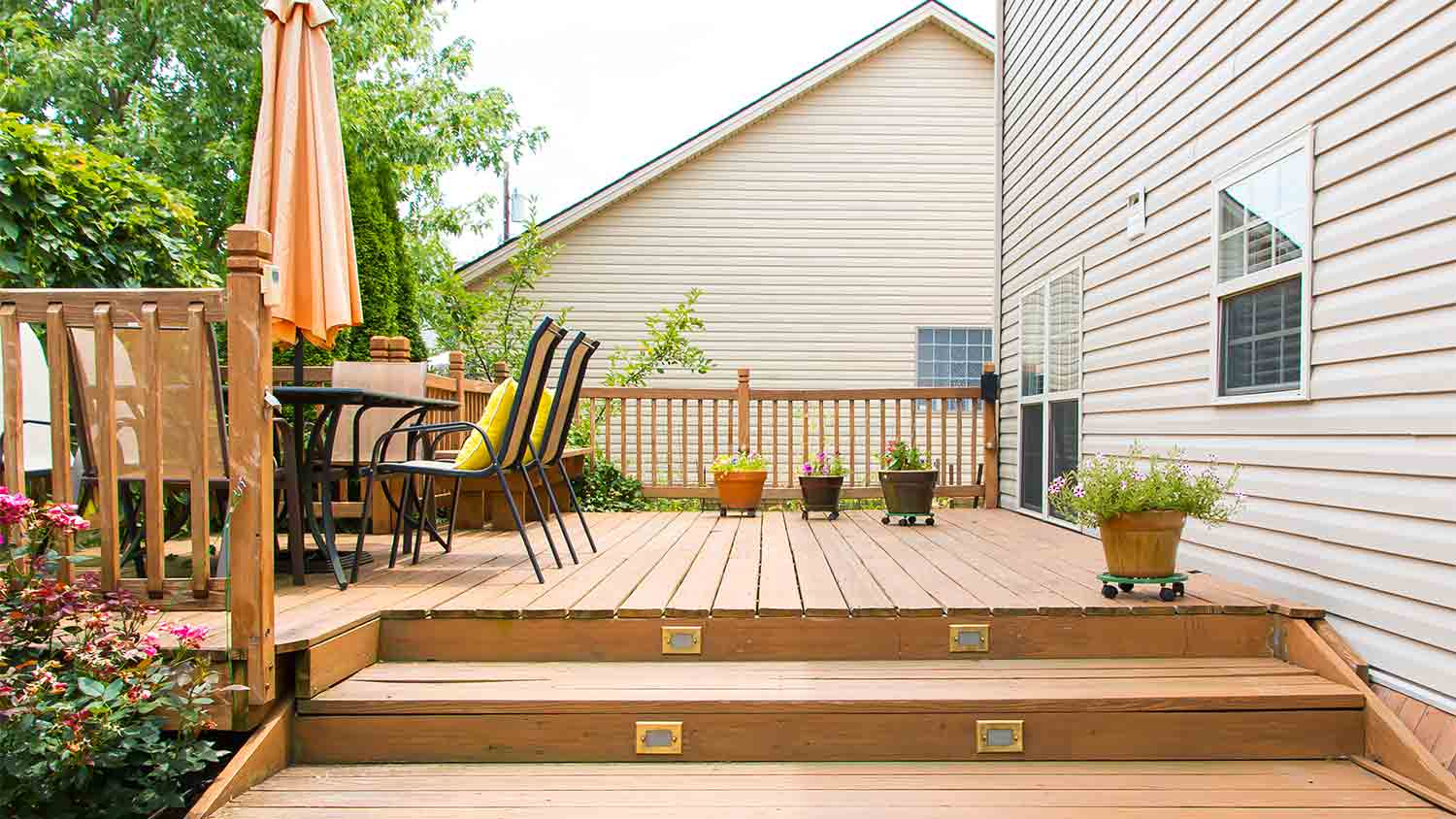
The overhang, or nosing, of deck steps is another area that will be covered in building code requirements. The noses on your deck steps should have a minimum overhang of ¾ inch. For safety, usability, and code compliance, the nosing of deck steps should not extend past 1¼ inches.
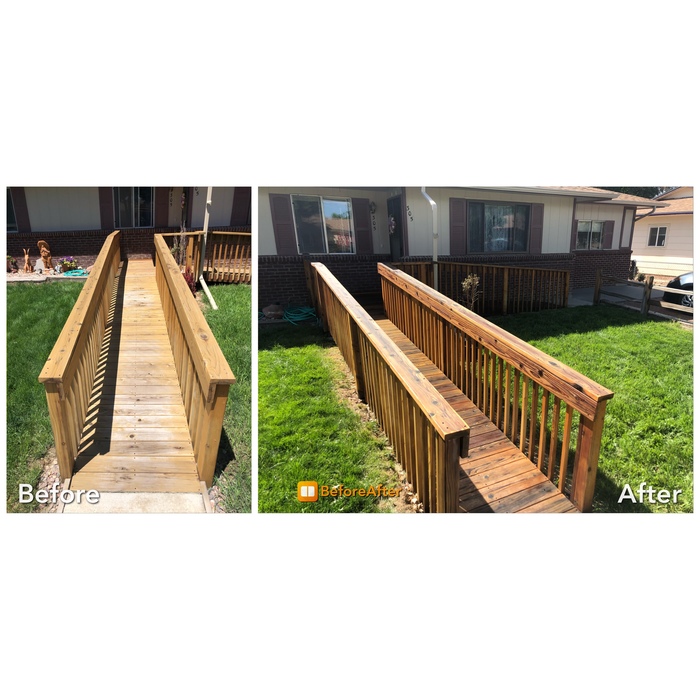
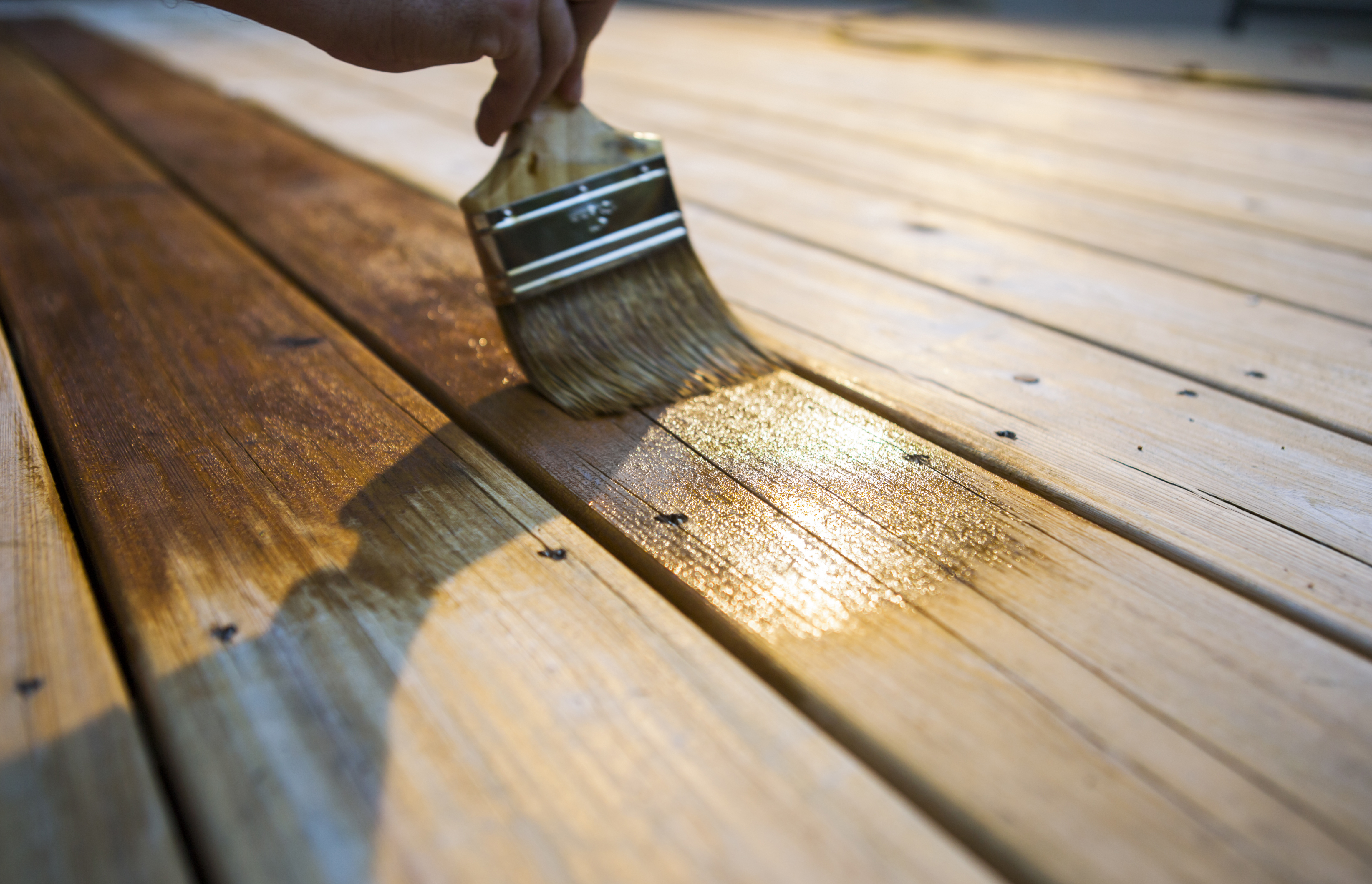
Constant exposure to inclement weather conditions can damage your deck, causing it to fade, warp, or crack over time. Regular maintenance keeps it looking and performing its best. That means giving it a good cleaning and applying a quality sealant or wood treatment to help defend against moisture, sun damage, and everyday wear.
The Silver Cliff, CO homeowners’ guide to deck maintenance services
From average costs to expert advice, get all the answers you need to get your job done.
Finding maintenance-free decking that works for your home, budget, and lifestyle can be challenging. This guide lists the 7 best low-maintenance deck materials.
It's important to know the right terminology when taking on the task of staining your deck. Take a look at the deck maintenance terms every homeowner should know.