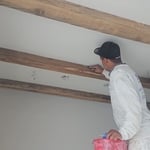
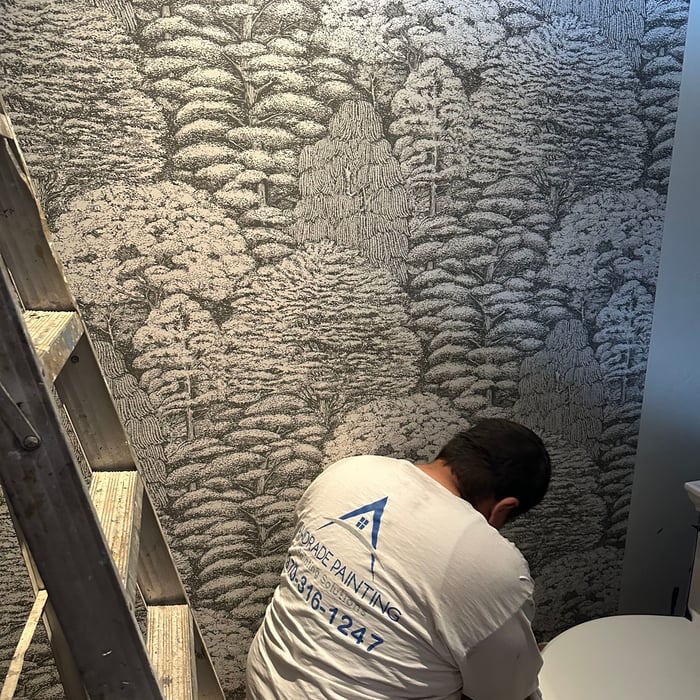
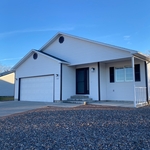
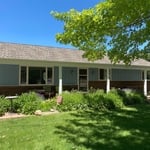
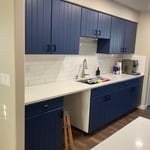
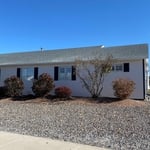
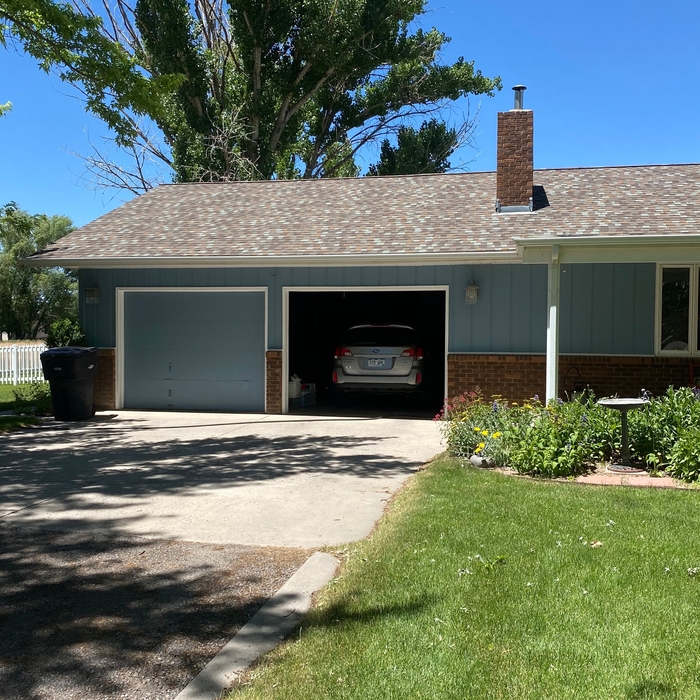
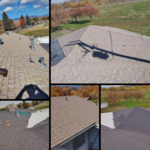
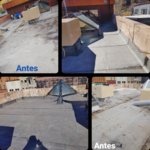
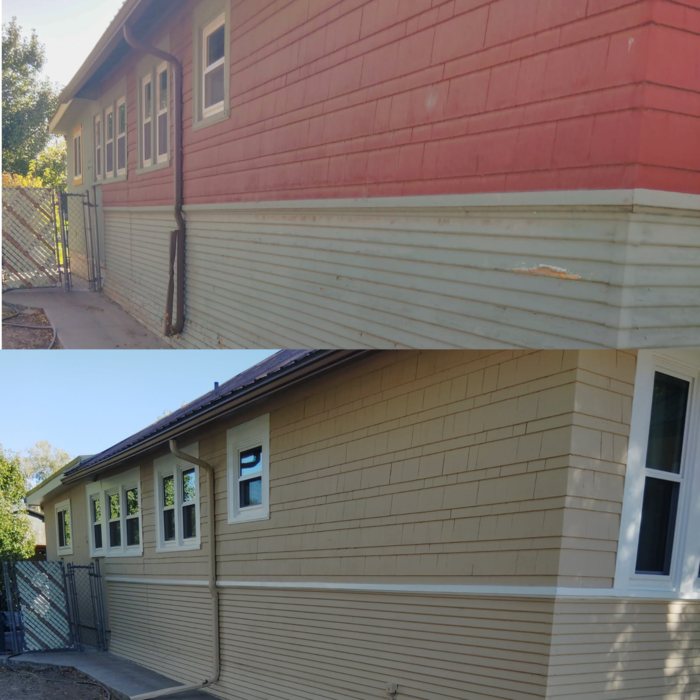
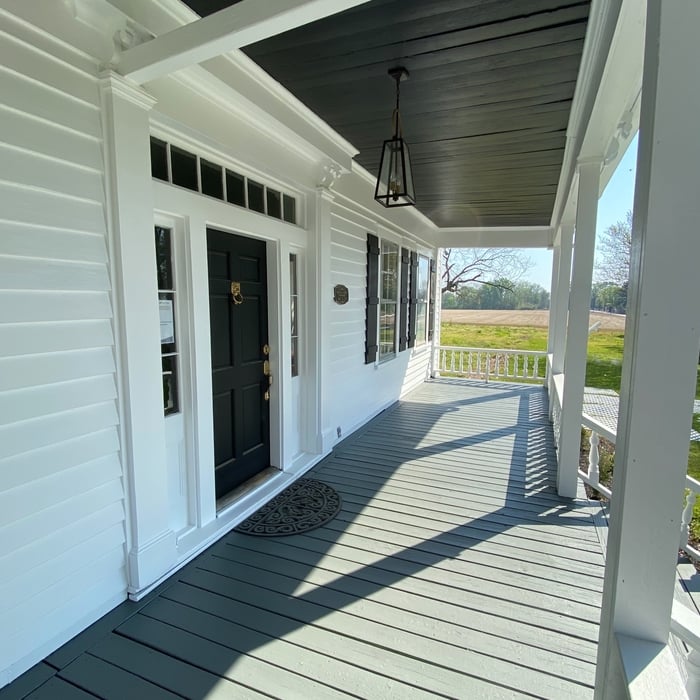
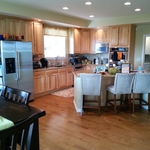
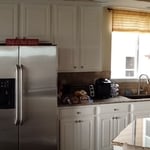
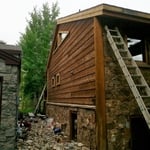
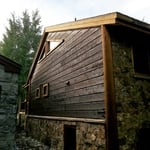
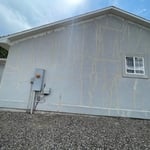
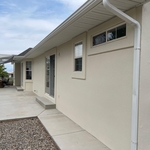
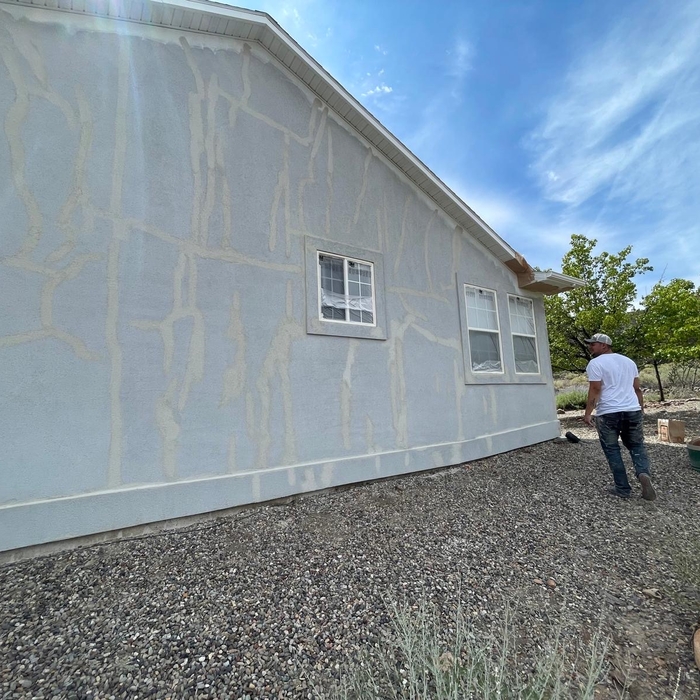
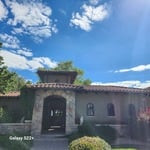
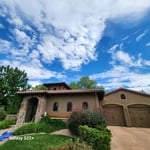
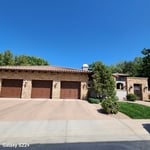
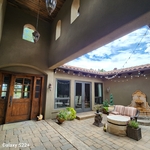
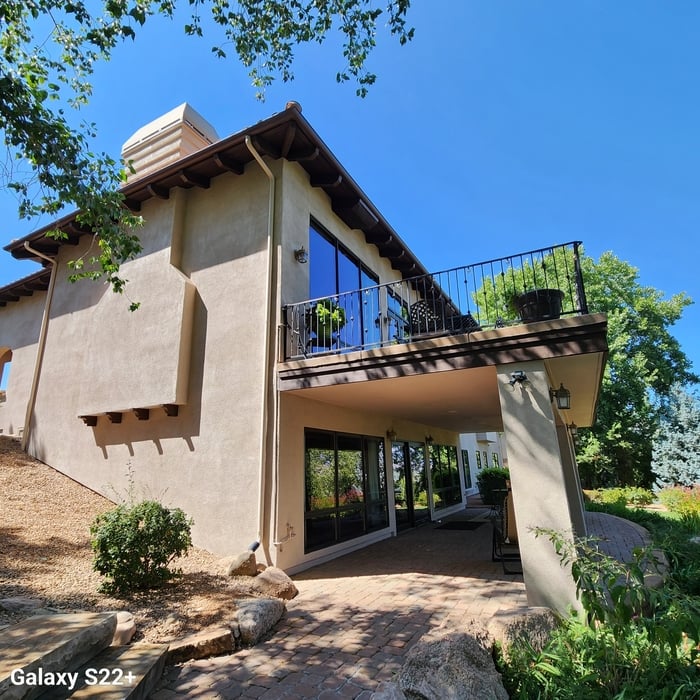
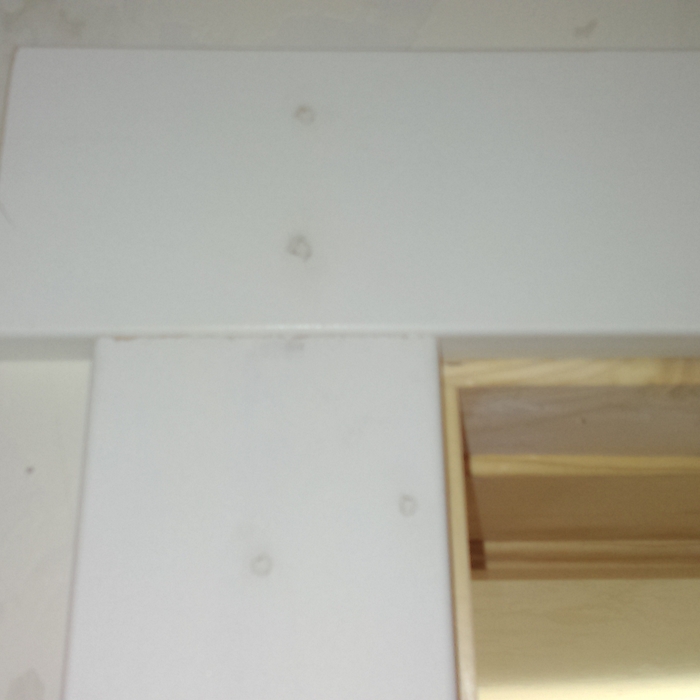
"Great! Israel and his crew were professional, courteous, cleaned after each day, and the work done was great!!!! Very pleased and will definitely use Andrade Painting again for any other painting needs."
Zimmerman Remodeling Services offers quality home improvement solutions in the western slope area. Their services include: interior and exterior painting, interior remodeling, flooring, trim, and small construction projects.
We are a locally owned and operated company that values honesty and integrity and treats your home as if it were our own. We offer a variety of General Contractor services that are customizable to each individual project. You will find us to be competitively priced, paying close attention to the details of each and every project that we are involved with. We look forward to building lasting relationships and guarantee your satisfaction!
\n
\n
"Joe helped guide us with choosing colors to complement our wall art and painted the inside of our home. Since we have rounded corners, it can be difficult to transition colors, but Joe did a wonderful job with it! We will definitely use Cavalier paint and faux for our next project!"
"Stuart did an outstanding job from start to finish. He was timely with his estimate for my project and did a beautiful job painting my office in the house. Would absolutely recommend!"
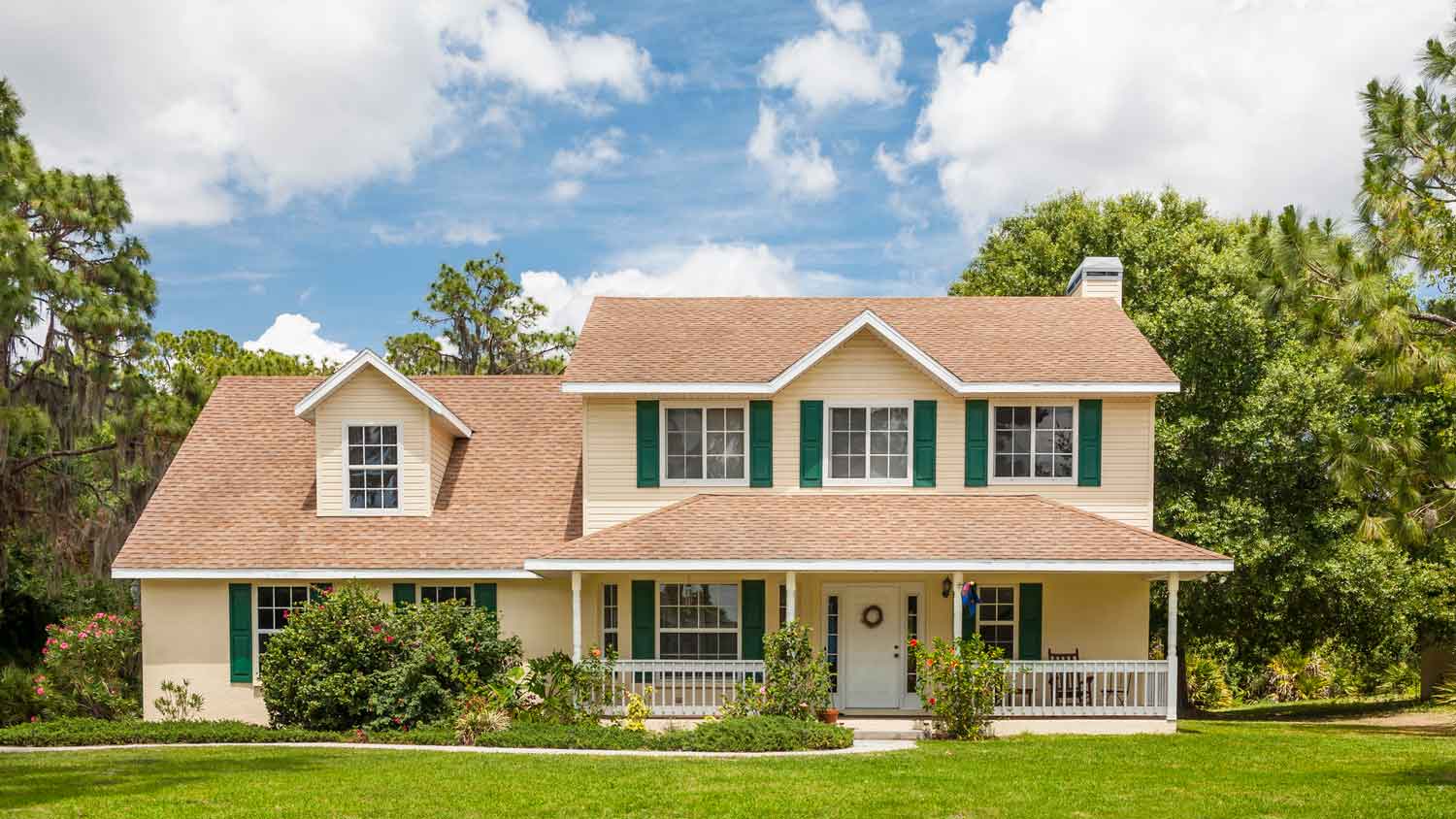
"This company was so easy to work with. Tim was very patient with me in finalizing the decision on colors. He and his crew used top quality paint to paint body of house, trim, front door and shed. They completed our paint job ahead of the projected time. We are so pleased with their service and our beautiful house."
Our mission is to be a provider that brings back the personal touch with our customers. We will build a relationship that will last a lifetime after you see our quality work. As a locally owned and operated business we feel invested in our clients and constantly strive for customer satisfaction. Call or message us to schedule an estimate today!
Whitewashing isn’t permanent, but it can last for a long, long time. When you apply it correctly or have a seasoned pro whitewash your brick, whitewashing can last for 20 to 30 years or longer. Whitewash is very durable and typically requires little maintenance, making it a great project for most DIYers.
We don’t recommend it. A wired brush or a brush with metal bristles damages concrete and asphalt during the stain removal process. For the best results, stick to nylon stiff enough to do the job but gentle enough to keep from scratching the driveway. For extra caution, skip the brush entirely and use towels.
Wood stain is not flammable after it dries. The solvent in wood stain is what causes the liquid form to be highly flammable, but the stain drying process involves the solvents dissolving, which leaves behind a non-flammable product on your wood project. Wood stain is, however, flammable before you apply it, so you should always store partially full cans and used wood stain rags away from sources of heat and open flames.
The process of painting or staining a fence typically takes between one and five days. The total duration depends on factors like the size of the fence, weather conditions, and necessary drying times. A significant portion of this time is for drying, as stain won't properly absorb into wet wood. You should wait 24 hours to stain a fence after washing it and allow 12 to 24 hours of drying time between each coat. The active work time is generally about one hour for every 10 to 20 linear feet of fencing.
You can only change your neighbor's fence with their permission. A neighbor's fence is their property, and altering it without their consent could constitute trespassing or property damage, which may have legal consequences. If you have concerns or disagreements about your neighbor's fence, communicate with them openly and try to reach a mutually agreeable solution. If you believe the fence violates local zoning laws or property regulations, consult with local authorities or seek legal advice to address the issue through proper channels.
The Nucla, CO homeowners’ guide to painting services
From average costs to expert advice, get all the answers you need to get your job done.
Painting a brick house is a permanent renovation project that requires weighing the pros and cons. Keep reading to find out if you should paint your brick home.