




Top-rated masons.

Get matched with top masons in Lamar, CO

Enter your zip and get matched with up to 5 pros

Need a pro for your masonry work project in Lamar, CO?

Select your specific project to find the pro for you.

Find Masons in Lamar

Showing 1-10 of 20
Masonry questions, answered by experts

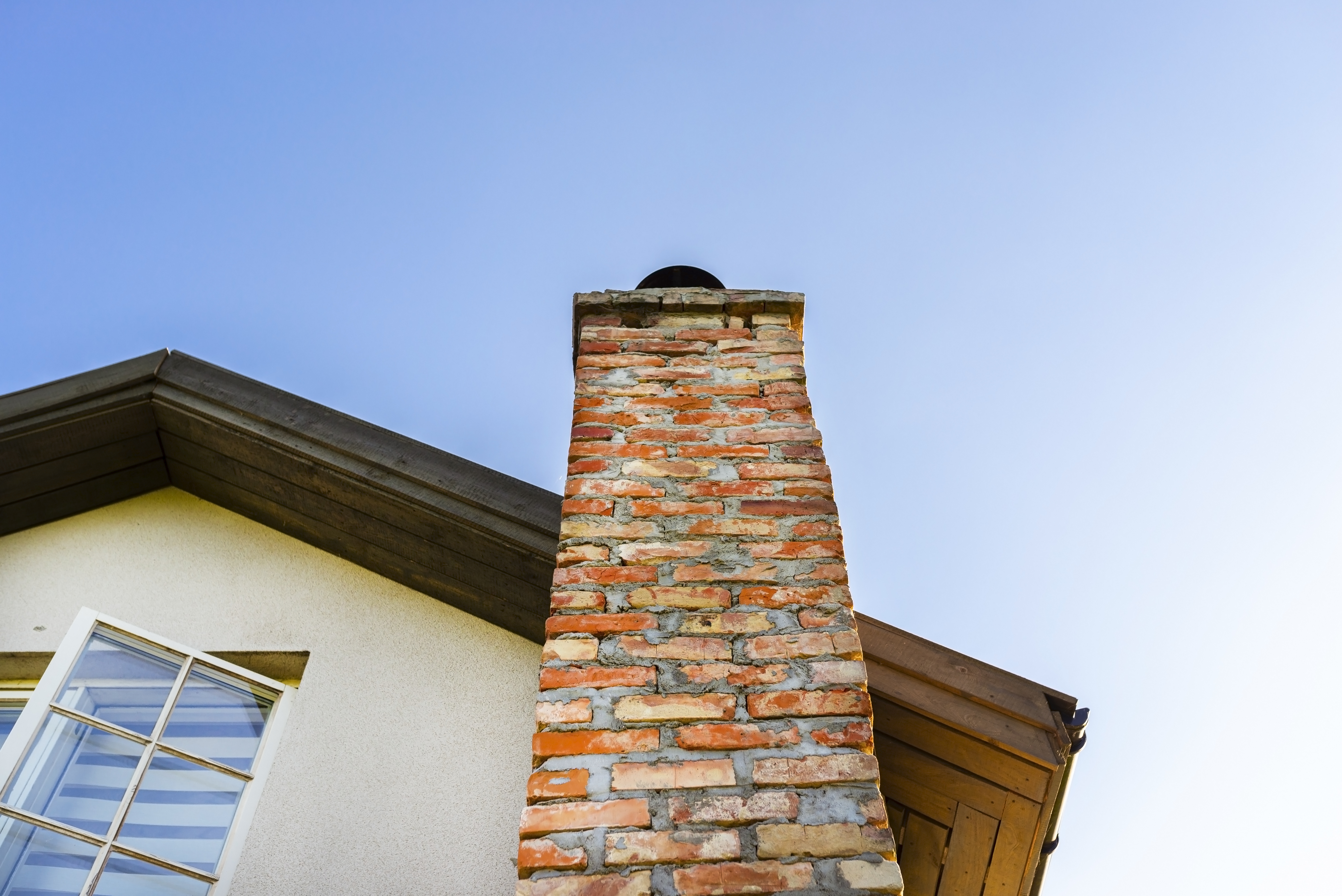
While painting can certainly change the look of a chimney, you should think twice about giving your brick chimney the old landlord special.

Painting brick is porous, meaning it’s full of tiny holes that can soak up moisture. Those holes also allow it to dry, though. So, when you paint it, you trap any moisture inside, providing an opportunity for mold, mildew, and water damage.

Paint also shows wear faster than naked brick. This means that once you paint a brick surface, you’ll have to keep painting it to maintain a clean look. A paint job is also harder to undo on brick because of its porous nature. Once you paint it, it’s hard to go back without some serious power washing—another added cost.

According to the Earthquake Country Alliance—a public and private alliance in California that works to improve earthquake and tsunami readiness—reports that unreinforced masonry, such as stone, bricks, and hollow clay tiles, is more susceptible to earthquake damage. The mortar between bricks isn’t as stable as other building materials and methods.

Yes, it is normal to see some minor hairline cracks in brick or mortar over time, often due to natural foundation settling. However, not all cracks are harmless. You should be concerned and contact a masonry professional for an inspection if you notice cracks that are getting wider or longer, or if new ones keep appearing. Other serious warning signs that can indicate significant structural or foundation damage include large vertical cracks (especially those that widen as they go up), stair-step cracks, L-shaped cracks, and deep horizontal cracks. Factors like temperature changes, moisture, and structural loading can also cause cracks to form or worsen.

Yes, as long as the cut is clean and the brick remains structurally sound, you can reuse it. Reusing brick is especially common for landscaping, edging, and small masonry repairs. Just make sure to file down any sharp edges before handling or installing it.

No, you shouldn’t lay bricks directly on dirt. While it might seem like a shortcut, it leads to a patio that shifts, sinks, and becomes a maintenance headache. Dirt expands, contracts, and erodes—none of which mix well with long-term stability. To build something that lasts, excavate the topsoil, compact a layer of crushed gravel, and add a coarse sand-setting bed. This layered base gives your bricks proper support, allows drainage, and helps block weeds from creeping through. Cutting corners here just means you’ll spend more time—and money—repairing your brick patio later.

The Lamar, CO homeowners’ guide to masonry services

From average costs to expert advice, get all the answers you need to get your job done.

What do you need done? We’ll find top pros.
  • 🌱 "Mow a small front yard"
  • 🛠 "Fix a leaking pipe under the sink"
  • 🏠 "Repair shingles on an asphalt roof"