






•
Discover what the average pre-listing appraisal cost is, what impacts pricing, and how to save money before selling your home.

*The Angi rating for Antique And Jewelry Appraisal companies in Grand Junction, CO is a rating based on verified reviews from our community of homeowners who have used these pros to meet their Antique And Jewelry Appraisal needs.
*The HomeAdvisor rating for Antique And Jewelry Appraisal companies in Grand Junction, CO is a rating based on verified reviews from our community of homeowners who have used these pros to meet their Antique And Jewelry Appraisal needs.
Last update on October 27, 2025
From average costs to expert advice, get all the answers you need to get your job done.
Discover what the average pre-listing appraisal cost is, what impacts pricing, and how to save money before selling your home.

Home appraisals are an important part of buying or selling a home and getting a mortgage loan. Learn more about home appraisal costs and what they include.

Get transparent land appraisal cost info. Learn average prices, key cost factors, and tips to save on your next land appraisal.
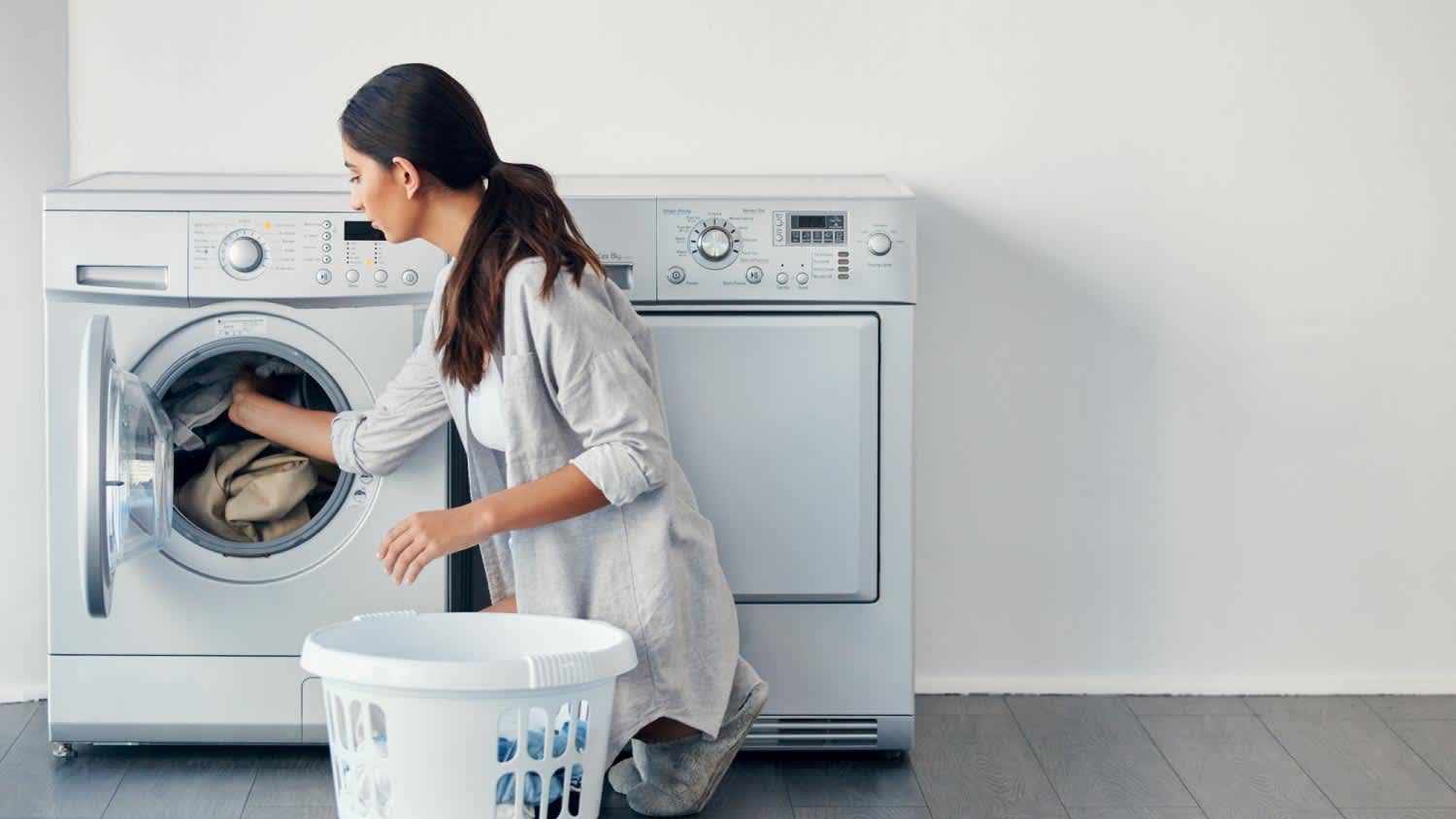
There are several types of pros that you can hire to appraise, haul, and sell your belongings so you won’t have to do the heavy lifting yourself.
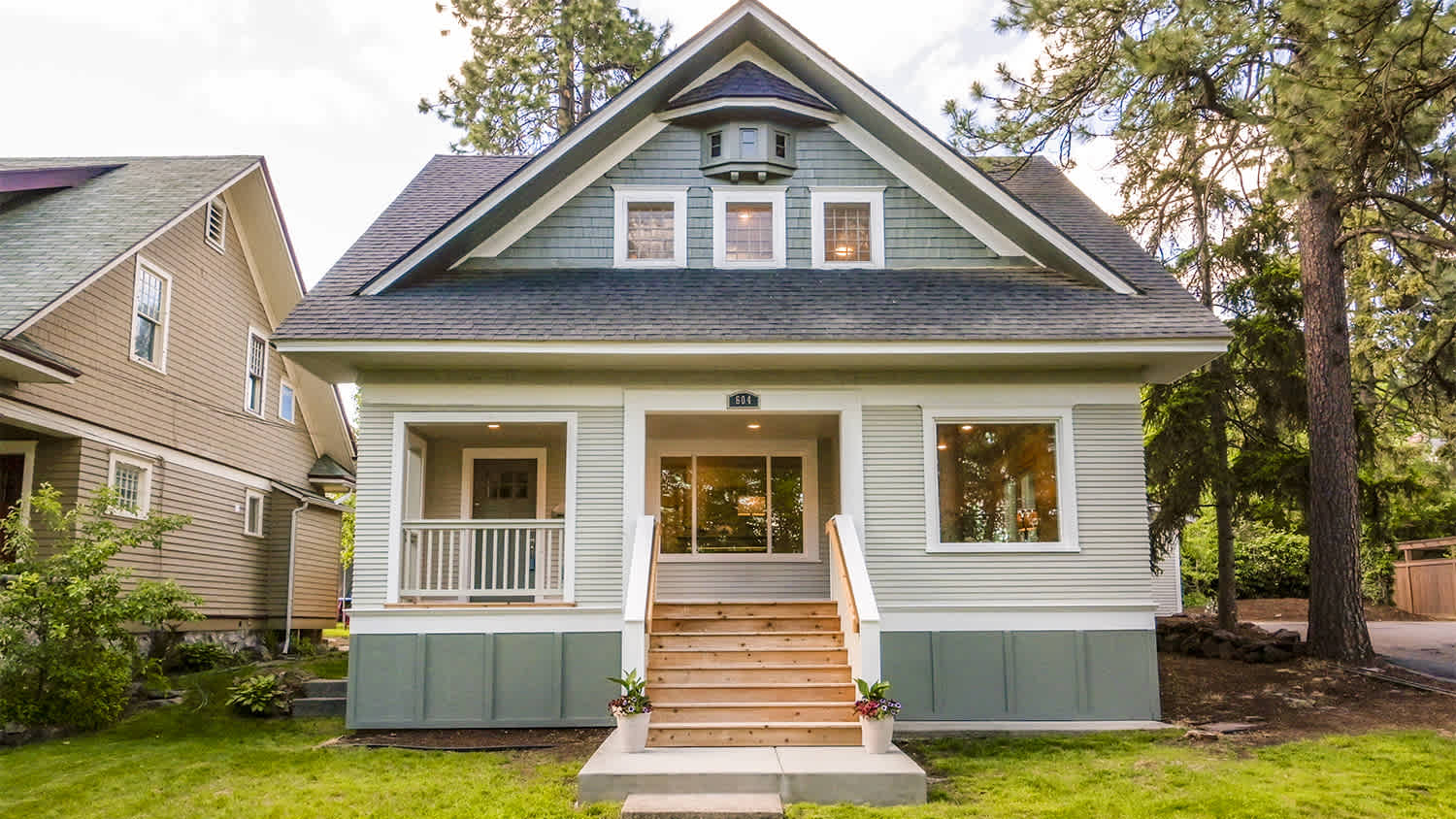
Need to get rid of a whole house full of items? Here’s everything you need to know about estate sales and how they work.

Whether you’re looking to buy, sell, or refinance, you’ll need a good home appraiser. We’ll show you what to look for when hiring a home appraiser.