Verified Reviews for Deck Maintenance pros in Cheyenne Wells, CO
*The Angi rating for Deck Maintenance companies in Cheyenne Wells, CO is a rating based on verified reviews from our community of homeowners who have used these pros to meet their Deck Maintenance needs.
*The HomeAdvisor rating for Deck Maintenance companies in Cheyenne Wells, CO is a rating based on verified reviews from our community of homeowners who have used these pros to meet their Deck Maintenance needs.
Last update on June 16, 2023
Sophi D.
5.0
Reviewed in June 2023
Thank you for amazing job. Iâ m definitely recommending ð
Here at Inline Construction, we are a locally owned and operated company that values honesty and integrity and treats your home as if it were our own. We offer a variety of quality home improvement services. You will find us to be competitively priced with close attention to the details of each and every project that we are involved with. We look forward to building lasting relationships and guarantee your satisfaction!
The problems with composite decking include a high rate of expansion and contraction from temperature swings. This characteristic can cause boards to split, delaminate, or peel. In addition, significant movement can cause shrinking, warping, twisting, and bending. For this reason, you should minimize moisture and ensure proper airflow below your deck.
Putting lattice under a deck will create a polished look that allows for air ventilation. You can also store items underneath as the lattice provides privacy and protection from the weather. You can also put lattice under a porch to create a polished look in the front of your house.
Before installing a deck, you must build a base for the deck to rest upon, often made of compacted soil or gravel. While gravel is an optional material, it helps with drainage. Some contractors also recommend installing a weed control membrane, which helps provide a solid foundation for the frame. In the case of an elevated deck, a pro will often lay down a concrete slab as a foundation.
To prepare a deck for a hot tub, start by thinking about safe and easy access in and out of the tub. Homeowners should plan for steps or consider built-in seating, a level surface around the perimeter, and a clear, slip-resistant path from the house. A hot tub requires sufficient space around it for comfortable entry and exit, ensuring no awkward squeezing or stepping over high edges. Good lighting and handrails can also make a big difference, especially for nighttime use.
What goes under your floating deck depends on your preferences. Some homeowners put landscaping fabric underneath their decks to prevent weeds from popping up through the boards. Others choose to build a floating deck over grass or gravel. However, it’s best not to set your deck directly on the ground. Instead, set your deck on blocks to keep it elevated enough to prevent moisture from rotting the wood.
The Cheyenne Wells, CO homeowners’ guide to deck maintenance services
From average costs to expert advice, get all the answers you need to get your job done.
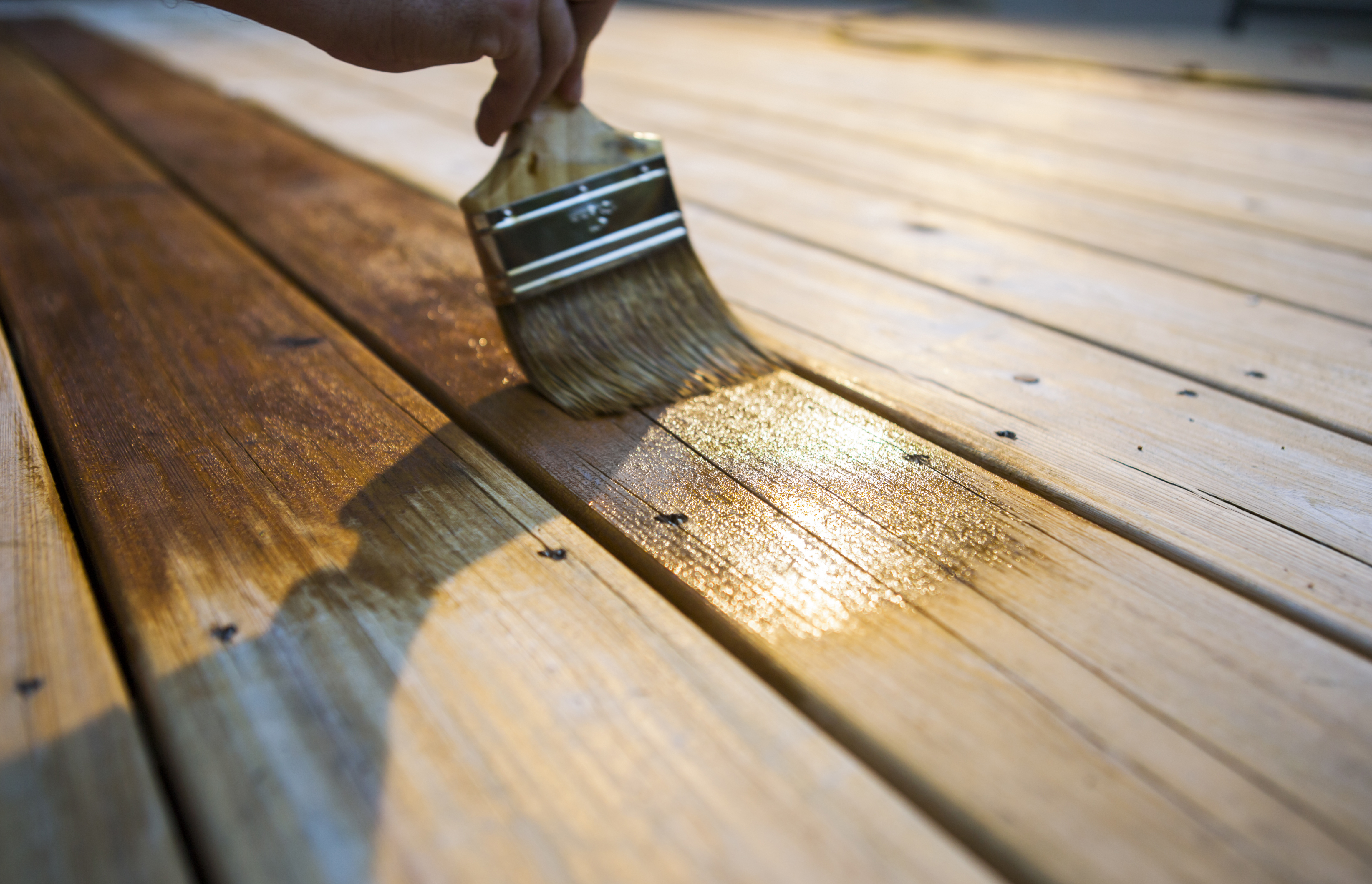
Deck maintenance is vital to protecting a wooden deck. Cleaning, staining and sealing a deck after pressure washing will add years to its lifespan. Protect a deck by following these deck maintenance tips for cedar and other types of wood materials.
Finding maintenance-free decking that works for your home, budget, and lifestyle can be challenging. This guide lists the 7 best low-maintenance deck materials.