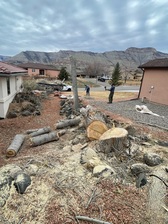
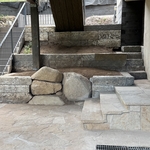
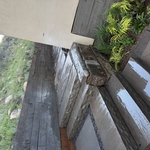
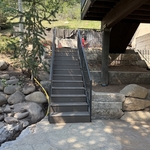
"Isaac and his crew took down a 45 foot tall cottonwood tree in our backyard. This required cutting it down in sections so as not to damage the house and caring the pieces along the side of the house out of the street. They worked in the snow for three days to get this done and weâ re very careful and meticulous with the cleanup. It was very hard work and he charged a very reasonable price. He was also very good working with my neighbors to make sure they didnâ t have any concerns. Iâ m having them do more work for me in the spring."
"I have hired Chris for my home and business. He did a wonderful job both times! He has also helped with other maintenance projects. He communicates well, follows through on what he says and does great work. I would hire him again!"
"Al and Luis were highly skilled, professional, and timely. I loved their work and their ability to solve problems. And when they had questions, they would call me and we always found a way to address them efficiently and thoughtfully. It was a pleasure working with them."
The average lifespan of a wood fence is 15 to 20 years, but some can last for 40 years or more depending on several factors. The type of wood is crucial; for example, untreated pine may only last 5 to 10 years, while pressure-treated pine can last up to 20 years, and cedar's natural resistance can extend its life to 40 years. Other factors include local weather conditions, with wet and windy climates causing faster deterioration, and the quality of maintenance. Higher-end wood, metal posts, and privacy fence styles also tend to last longer.
If you only use your gate as a pedestrian, walking through without a vehicle, you’re fine to stick with a single fence gate. If your fence opening needs to accommodate vehicles of any kind, from cars to trucks to 4-wheelers, then a double fence gate will suit the space much better and give you more freedom.
Yes, like other types of wood fencing, pressure-treated fence boards can warp. However, there are a few things you can do to reduce the likelihood of your fence warping. Sealing or staining your fence every few years, for example, can protect the wood against moisture, sun exposure, and temperature changes.
When it comes to aluminum fence post depth, the posts should typically be about one-third of the length of the fence post deep into the ground. However, it's always best to check with your fencing manufacturer's recommendations to ensure you install it at the recommended depth for stability.
Yes, fence posts need to be installed below the frost line to ensure stability and prevent heaving caused by freezing and thawing cycles. The frost line is the depth at which soil freezes during winter. By placing posts below this line, often around 3 to 4 feet deep or as recommended for your specific region, you reduce the risk of the ground shifting, which can lead to leaning or unstable fences. Adequate depth provides better anchoring and helps maintain the fence's integrity, ensuring it remains secure and upright throughout changing seasons.
The Carbondale, CO homeowners’ guide to fencing services
From average costs to expert advice, get all the answers you need to get your job done.
Chain-link fences are among the most affordable options available. Use this chain link fence cost guide to see what your installation will cost in Washington, DC.
How much a privacy fence costs depends on several factors, including the size of the fence and the material used. Our cost guide breaks down these and other factors.