







Top-rated bird control service pros.

Get matched with top bird control service pros in Brush, CO

Enter your zip and get matched with up to 5 pros

Need a pro for your bird control service project in Brush, CO?

Select your specific project to find the pro for you.

TRUSTED BY BRUSH, CO HOMEOWNERS

  • Average homeowner rating star icon4.8
    Average homeowner rating
  • Verified reviews icon15
    Verified bird control services reviews

Find Bird control service pros in Brush

Bird Control questions, answered by experts

Some of the plants listed above, like daffodils, are poisonous to many animals if eaten. But wild animals instinctively avoid them, for the most part. Household pets don’t always have the same survival instinct, which is why it’s a good idea to familiarize yourself with common plants that pose a danger to cats and dogs.

Numerous predators kill hornets, including frogs, birds, lizards, bats, spiders, and hedgehogs. Some larger predators, including rats, skunks, and racoons, will occasionally attack a hornet nest in order to eat the larvae inside. These natural predators typically don’t eat enough hornets to make them an effective form of hornet control. 

It's advisable to avoid using harmful methods to eliminate birds. Poisoning birds is inhumane and can have unintended ecological consequences, affecting other wildlife and pets. Similarly, using firearms or other lethal means poses safety risks and could be illegal in many areas. Sticky substances like adhesives can cause birds to become trapped and injured. Lastly, playing excessively loud or distressing noises can stress birds and humans. Focusing on humane and environmentally responsible strategies is essential when dealing with bird issues.

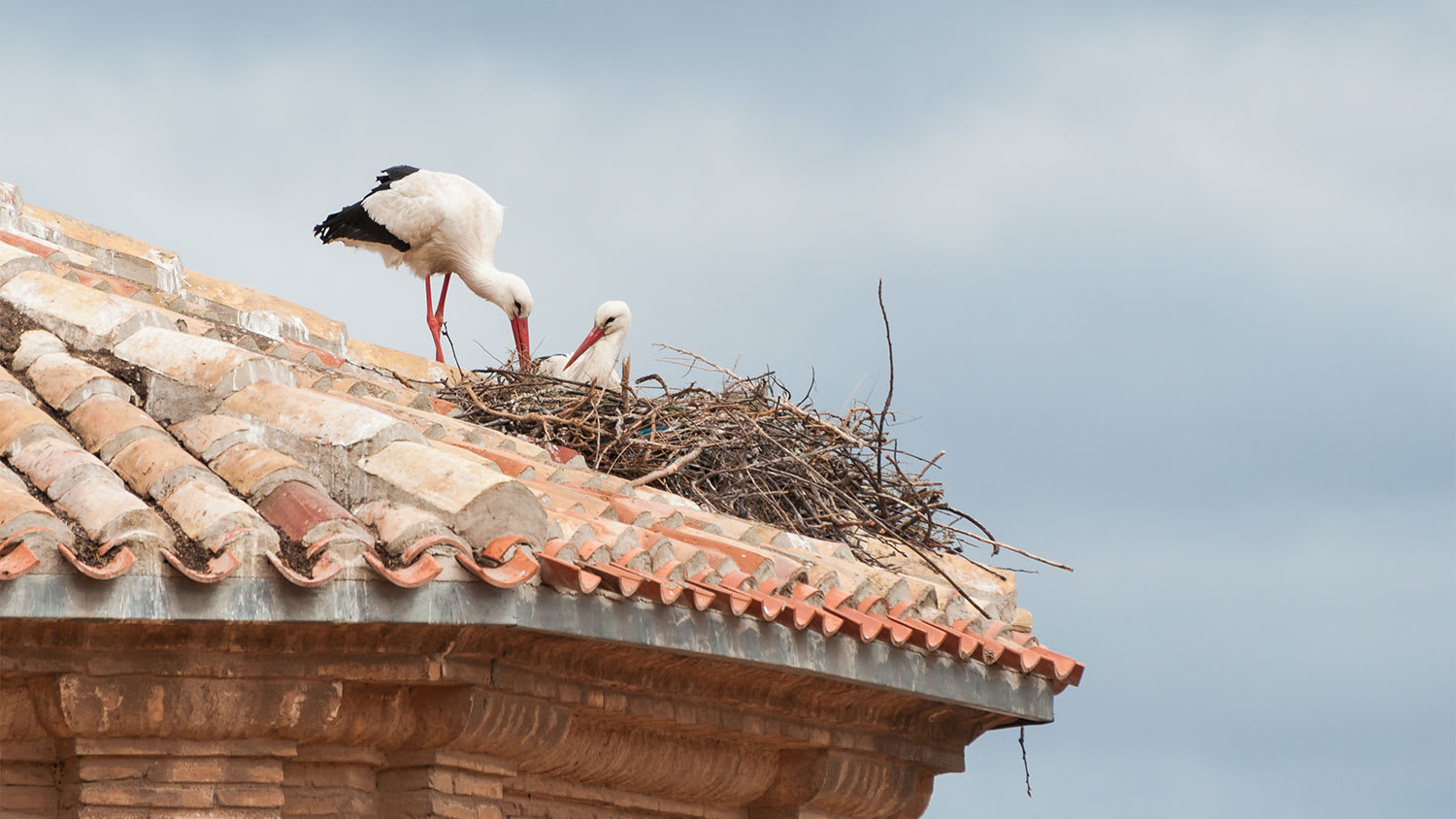
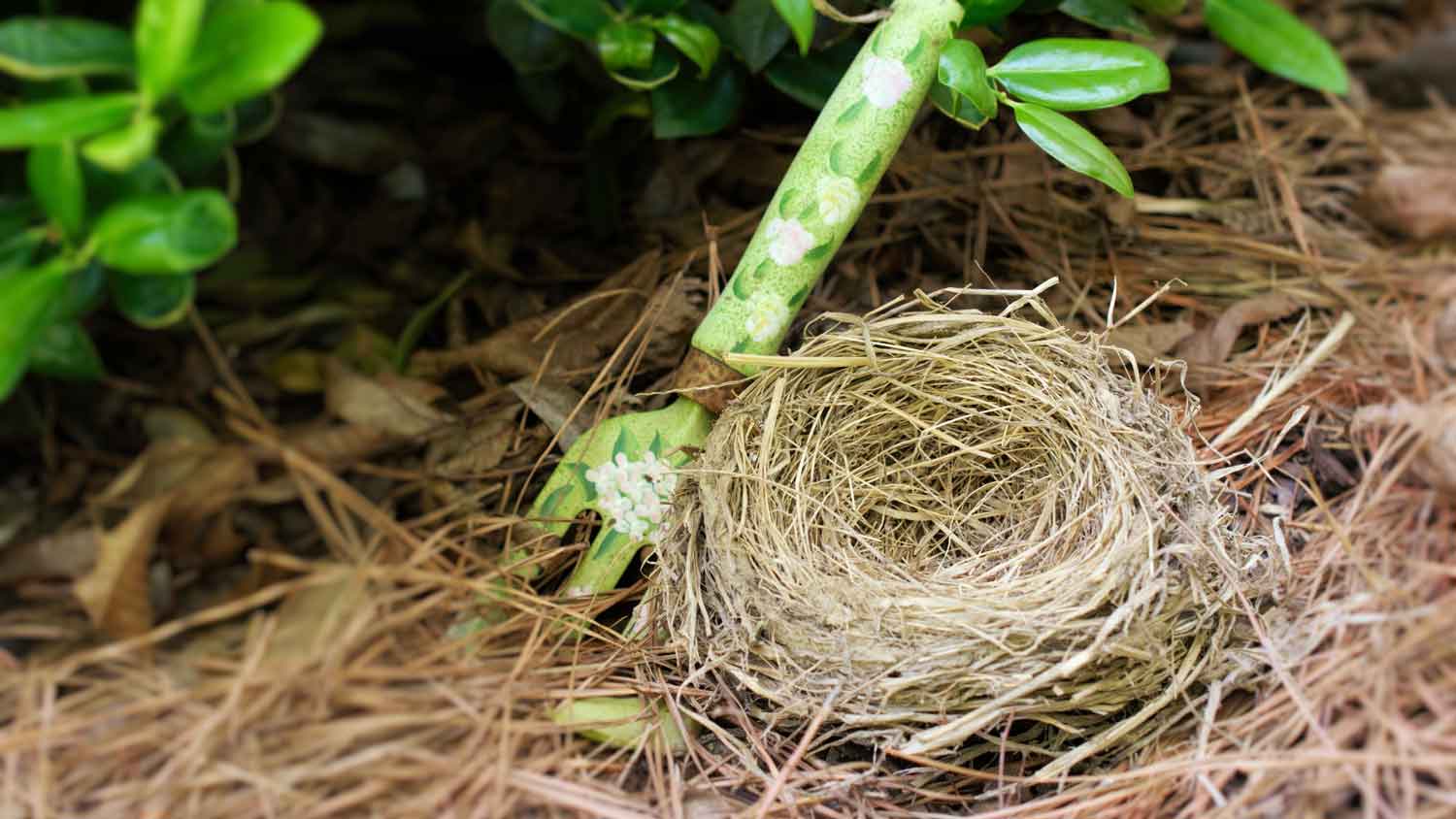
While not common, bird’s nests can cause problems to your property in some cases. 

  • Block vents for your dryer, stove, and fans, creating a fire hazard

  • Clog gutters and drains, leading to roof and siding damage

  • Damage solar panels

  • Wiring issues if the nest is on or near a light fixture

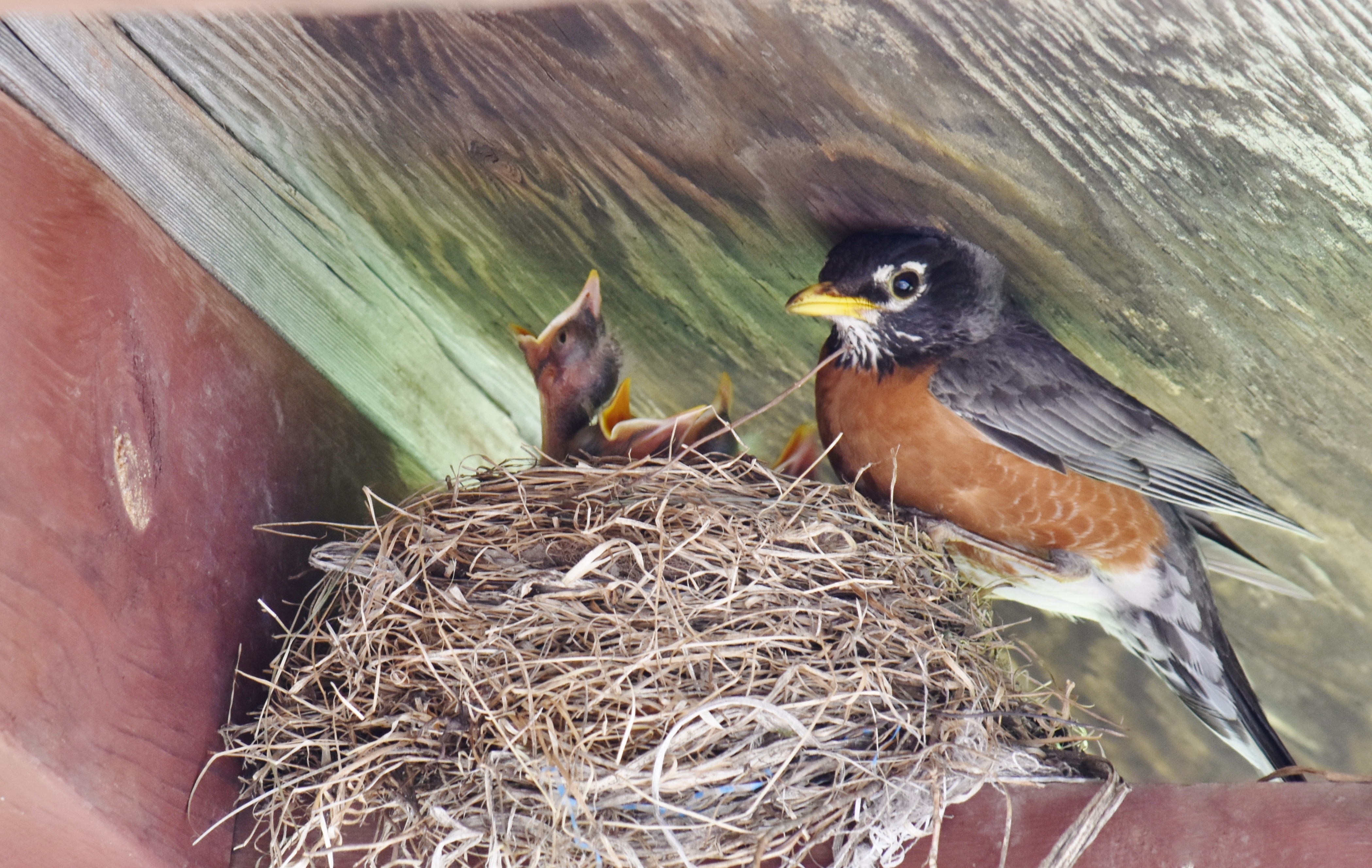
The lifespan of a bird's nest depends on the species. The building process can take from two days to three weeks. Once built, the nesting period for baby birds can last from two to ten weeks before they leave the nest. While most young birds are ready in two to six weeks, some predatory species may need up to two and a half months. Some species nest four to five times per year, so a nest could remain in use for several months. For specific information about a particular nest's longevity, it is best to consult a wildlife professional.

The Brush, CO homeowners’ guide to bird control services

From average costs to expert advice, get all the answers you need to get your job done.