







Get matched with top bird control service pros in Akron, CO
Top-rated bird control service pros.

Need a pro for your bird control service project in Akron, CO?

Select your specific project to find the pro for you.

Find Bird control service pros in Akron

Avatar for Terminix® Pest Control
Terminix® Pest Control
New to Angi

Serving Akron, CO and surrounding areas

Approved

In business since 1927

Free estimates

Warranties offered

When pests show up, so do we.\n\nFor nearly a century, Terminix® has been one of America's most trusted names in pest control. Every day, our exterminators serve thousands of homes and businesses nationwide, combining national service with local knowledge to provide best-in-class, proactive pest management solutions. We stop problems before they start and respond quickly if issues arise, keeping your property protected.\n\nAnd for extra peace of mind, if pests come back, so do we‐guaranteed.\n\nThe Terminix It Guarantee means that if pests come back, so do we – to re-treat at no additional cost. No excuses, just a commitment to care for your home like it's our own with protection you can trust.3

My jobs
My jobs
My jobs
My jobs
My jobs

+2

26 neighbors recently requested a quote
Bird Control questions, answered by experts

The cost of pest control services depends on various factors, but the average homeowner pays around $175, with a typical range of $100 to $500. Your final cost will be influenced by the type of pest, the size and severity of the infestation, and the number of treatments needed.

Service costs also vary by frequency:

  • One-time service: $300–$550

  • Initial visit for ongoing service: $150–$300

  • Monthly visits: $40–$70

  • Quarterly visits: $100–$300

  • Annual visits: $300–$550

For specific pest examples, getting rid of spiders typically costs between $100 and $300, whereas a termite infestation can cost from $230 to $2,500 or more, depending on the extent of the damage.

When woodpeckers start banging on your walls or roof, they are probably looking for insects to eat, storing nuts for winter, drilling a hole to make a nest, or communicating with other birds to establish territory or find a mate.

The size of the hole can help determine the reason for the pecking. Small irregular holes are a result of insect hunts. Acorn holes are more consistently sized and often fitted with a nut in the middle. Nest holes are large and have rounded edges. If the bird is pecking to mark its territory or attract a mate, it may leave dents rather than holes, and the noise will stop when the mating season starts in spring.

It's advisable to avoid using harmful methods to eliminate birds. Poisoning birds is inhumane and can have unintended ecological consequences, affecting other wildlife and pets. Similarly, using firearms or other lethal means poses safety risks and could be illegal in many areas. Sticky substances like adhesives can cause birds to become trapped and injured. Lastly, playing excessively loud or distressing noises can stress birds and humans. Focusing on humane and environmentally responsible strategies is essential when dealing with bird issues.

Some birds of prey, like owls, hunt at night. Hawks are diurnal and need good light to see their prey. You could see them circling anytime from dawn to dusk. Species like the common red-tailed hawk are most active in the early morning and late evening when their prey is also typically on the go.

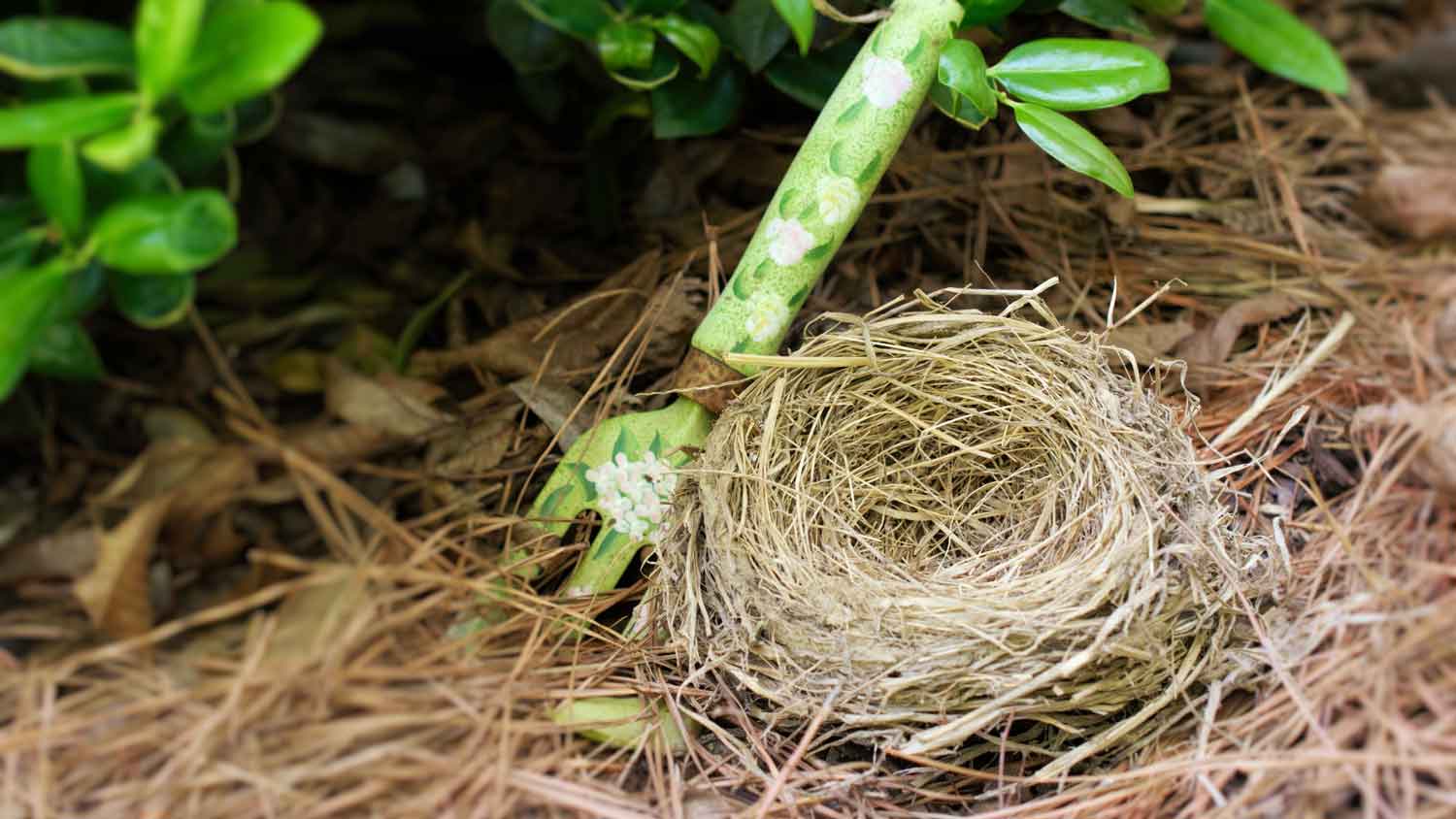
No single deterrent will work 100 percent of the time, so we suggest combining deterrents to ensure your seed has the best possible chance to grow. Using bird netting over your seed, with physical deterrents like mylar tape coupled with hanging bird feeders at the edges of your growing area—and removing any bird’s nests, if possible—will give your seeds the best possible chance for success.

The Akron, CO homeowners’ guide to bird control services

From average costs to expert advice, get all the answers you need to get your job done.