







Top-rated energy efficiency auditors.

Get matched with top energy efficiency auditors in Appleton, CO

Enter your zip and get matched with up to 5 pros

Need a pro for your energy efficiency auditing project in Appleton, CO?

Select your specific project to find the pro for you.

Find Energy efficiency auditors in Appleton

Energy Efficiency Auditing questions, answered by experts

While some aspects of an appraisal, such as comparable properties nearby, are out of your control, there are several steps you can take to potentially increase your home's value. Make any necessary repairs and upgrades before the appraiser's visit, as they can only value what is currently part of the home, not its potential. Examples include renovating older areas, updating landscaping to boost curb appeal, and staging your home. You can also provide the appraiser with the cost of recent upgrades, which may increase your home's value by about 50% or more of what you paid for those improvements.

Setting your AC unit to 78 degrees can, indeed, help you save energy. In fact, according to experts, every degree you turn the unit up could save you between 1% and 3% on your energy bills. That said, turning your unit off entirely while you’re out might actually be less efficient than keeping it on at a higher temperature. Why? The unit will need to work extra hard to cool the house back off again after all those hot hours. 

Window AC units use a fair amount of electricity, but significantly less than central AC systems. Because they are more energy-efficient for cooling individual rooms or small spaces, their usage is comparatively low. On average, a window AC unit consumes between 500 and 1,400 watts, while a central AC system uses over 3,500 watts—meaning a window unit uses about one-third of the energy. This typically translates to a monthly running cost of $15 to $40, although this can vary depending on external factors.

Yes, skylights can affect a home’s energy efficiency, either positively or negatively. Properly installed, energy-efficient skylights with Low-E coatings, double glazing, and UV-blocking glass can help regulate indoor temperatures and reduce heating and cooling costs. However, poorly insulated or older skylights can contribute to heat loss in winter and excess heat gain in summer, lowering overall energy efficiency.

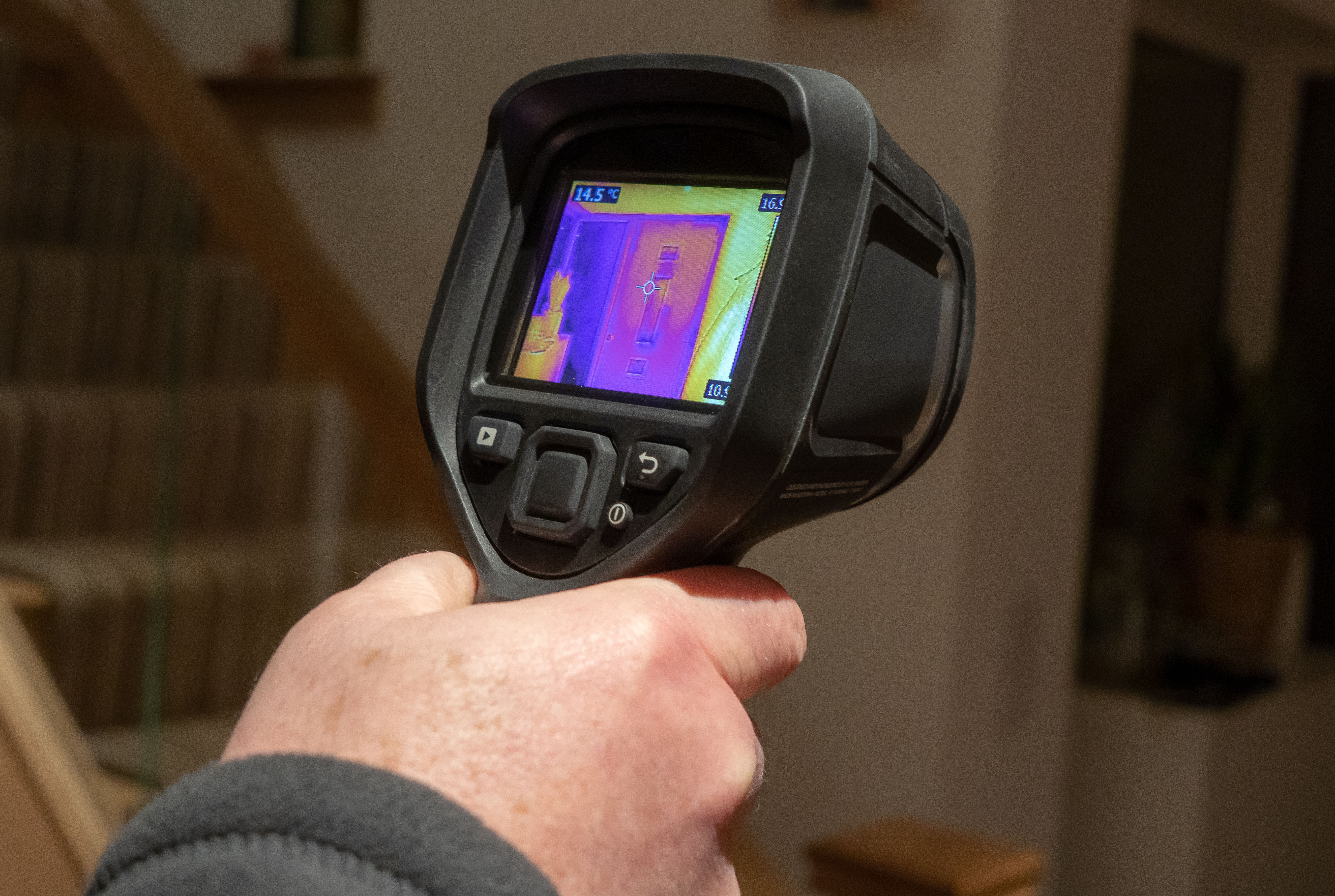
The difference between an energy auditor and a home inspector is primarily in the purpose of the inspection. The energy auditor conducts tests in your home to determine the energy efficiency levels in areas like windows, insulation, and doorways. The auditor then makes recommendations for ways to improve a home’s energy efficiency

A home inspector examines various structures of your home to determine that everything is up to code and gauge the condition of features like the roof, foundation, HVAC, and electrical. The home inspector reports on the overall home and makes repair recommendations.

The Appleton, CO homeowners’ guide to energy efficiency auditing services

From average costs to expert advice, get all the answers you need to get your job done.