







Top-rated ceiling fan pros.

Get matched with top ceiling fan pros in Winchester, CA

Enter your zip and get matched with up to 5 pros

Need a pro for your ceiling fan service project in Winchester, CA?

Select your specific project to find the pro for you.

TRUSTED BY WINCHESTER, CA HOMEOWNERS

  • Average homeowner rating star icon4.7
    Average homeowner rating
  • Verified reviews icon270
    Verified ceiling fan services reviews

Find Ceiling fan pros in Winchester

Avatar for Ceiling Fan Pros
Ceiling Fan Pros
5.0(
8
)
Ceiling Fan - InstallCeiling Fan - Repair

Serving Winchester, CA and surrounding areas

In business since 2020

Free estimates

Credit card accepted

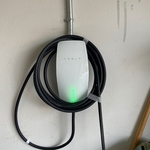
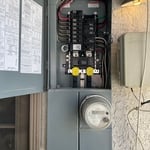
"Jon the owner kept me updated on everything I needed and wanted to know. When Brody showed up he quickly got to it and confirmed placement of each new light location. I would highly recommend Ceiling Fan Pros for your next electrical job."
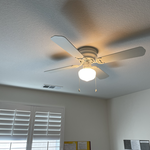
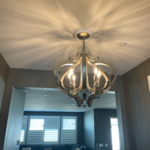
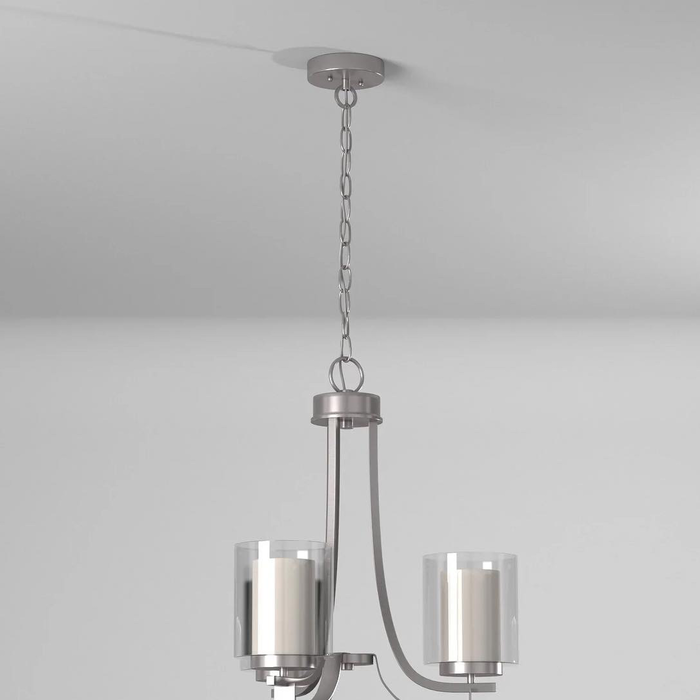
Additional Photos
Additional Photos
Additional Photos
Additional Photos
Additional Photos

+15

Recommended by100%of homeowners
...
Showing 1-10 of 73
Ceiling Fans questions, answered by experts

The direction you want your ceiling fan to move in depends on the season you’re in. During summer, you want it to move counterclockwise to produce a cooling downdraft. During winter, you want it to move clockwise to circulate warm air throughout the room.

The more surface area that a ceiling fan blade has, the more effective it will be at producing airflow. Therefore, a longer ceiling fan blade is the better option if you’re looking for more wind. However, a longer blade will consume more energy than a shorter blade.

The most efficient ceiling fan height is 8 to 9 feet from the floor to the fan blades. For ceilings higher than 9 feet, a downrod can be used to lower the fan to the optimal height. This positioning ensures adequate air circulation and maximizes the cooling effect. Remember, fans should be installed at least 7 feet above the floor for safety.

Fan power is measured by CFM, or cubic feet per minute. For every 1,000 feet of square footage in your attic, you need a minimum of 700 CFM. Steeper roofs may need larger fans or about 840 CFM.  You can figure the size of attic fan you need by multiplying the square footage of your attic floor by 0.7. (multiply by 1.2 for a steep roof and 1.15 for a dark roof). That number is the CFM required for your fan to run efficiently.

Installing a ceiling fan where no wiring exists is a difficult and potentially dangerous job that should not be attempted as a DIY project. It is recommended to hire a certified electrician to build the necessary electrical infrastructure. In some areas, building codes require this work to be done by a professional to ensure safety and compliance. Due to the complexity, this type of installation is a significant job that could cost up to $2,000.

The Winchester, CA homeowners’ guide to ceiling fan services

From average costs to expert advice, get all the answers you need to get your job done.