

Top-rated window tinters.

Get matched with top window tinters in Susanville, CA

Enter your zip and get matched with up to 5 pros

Need a pro for your window tinting project in Susanville, CA?

Select your specific project to find the pro for you.

Find Window tinters in Susanville

Avatar for Frontpoint
Frontpoint
4.7(
8,819
)
Window Tinting - Apply or Replace

Serving Susanville, CA and surrounding areas

In business since 2007

Free estimates

Emergency services offered

"Pretty good deal for $100 up front. The 5 included sensors cover my doors/sliders. We were disappointed that the mobile app functionality isn't included with the base monitoring plan after the first month. And my bathroom door sensor only works half the time. They told us that the dog (a little mini-poodle) wouldn't set off the motion sensor but she does - so we don't ever use it which leaves us exposed if someone comes in thru a window. But for basic coverage at $35 a month its not a bad deal. I like that its cellular (no land line needed) and self-installation was easy with their excellent phone app. I may upgrade the system at some point with window sensors, glass break sensor, front door camera."
Recommended by93%of homeowners
Window Tinting questions, answered by experts

The average cost for home window tinting is around $600, with most homeowners paying between $150 and $1,600. Costs can also be calculated per square foot, typically ranging from $2 to $100, or per window at around $75 each. For example, tinting one or two windows might cost between $200 and $350, while a larger project of 13 to 15 windows could range from $4,124 to $4,747.

Several factors influence the total project cost, with the number and size of the windows being the most significant. Other key factors include the type, shade, and quality of the tint film, as well as labor costs. Additional treatments, such as low-emissivity (low-E) coatings, can also increase material costs.

Window tinting offers several benefits, such as making your home more energy-efficient by blocking harsh sunlight, protecting furniture from fading, and increasing privacy. For this reason, many homeowners choose to tint only the windows in specific areas where direct sunlight and privacy are primary concerns.

No, it isn’t necessary to have energy-efficient windows. However, if you care about your energy bill and making your windows more energy efficient, fixing any heat, UV, or air transfer issues is an excellent way to lower your bills and keep your house cooler in the summer and warmer in the winter.

Home window tinting is generally considered a worthwhile investment due to its numerous benefits. The primary advantages include:

  • Energy Efficiency: Tinting reduces solar heat gain, which lowers cooling costs in warmer months. It can also help retain heat during cooler months, leading to savings on your electric bill that may eventually exceed the initial cost of the tinting.

  • UV Protection: It blocks harmful UV rays, protecting your family and pets from sun damage. This also prevents fading and extends the life of your furniture, flooring, and other interior furnishings.

  • Increased Comfort: By regulating heat, window tinting helps maintain a more comfortable and even temperature throughout your home. It also reduces glare on TVs and other electronic screens.

  • Enhanced Privacy and Security: Tinting makes it more difficult for outsiders to see into your home. Additionally, certain types of window films can increase security by helping the glass withstand trauma from break-in attempts or severe weather.

It's important to note that not all window tints offer the same combination of benefits. For example, security films are designed for impact resistance but may offer less UV protection, while ceramic tints excel at blocking heat and UV rays but do not provide the same level of security.

Whether window film is better depends on individual preferences and specific needs. In some instances, window film can be much less costly to install. Aesthetics is also a deciding factor. Window film may have a more significant appeal for design minimalists looking for a clean and streamlined look without the heaviness that comes with curtains. On the flip side, they can also appeal to design maximalists looking for creative expression in the form of color, patterns, and texture. Choosing between window film and traditional window coverings depends on factors like desired functionality, aesthetics, and personal preferences.

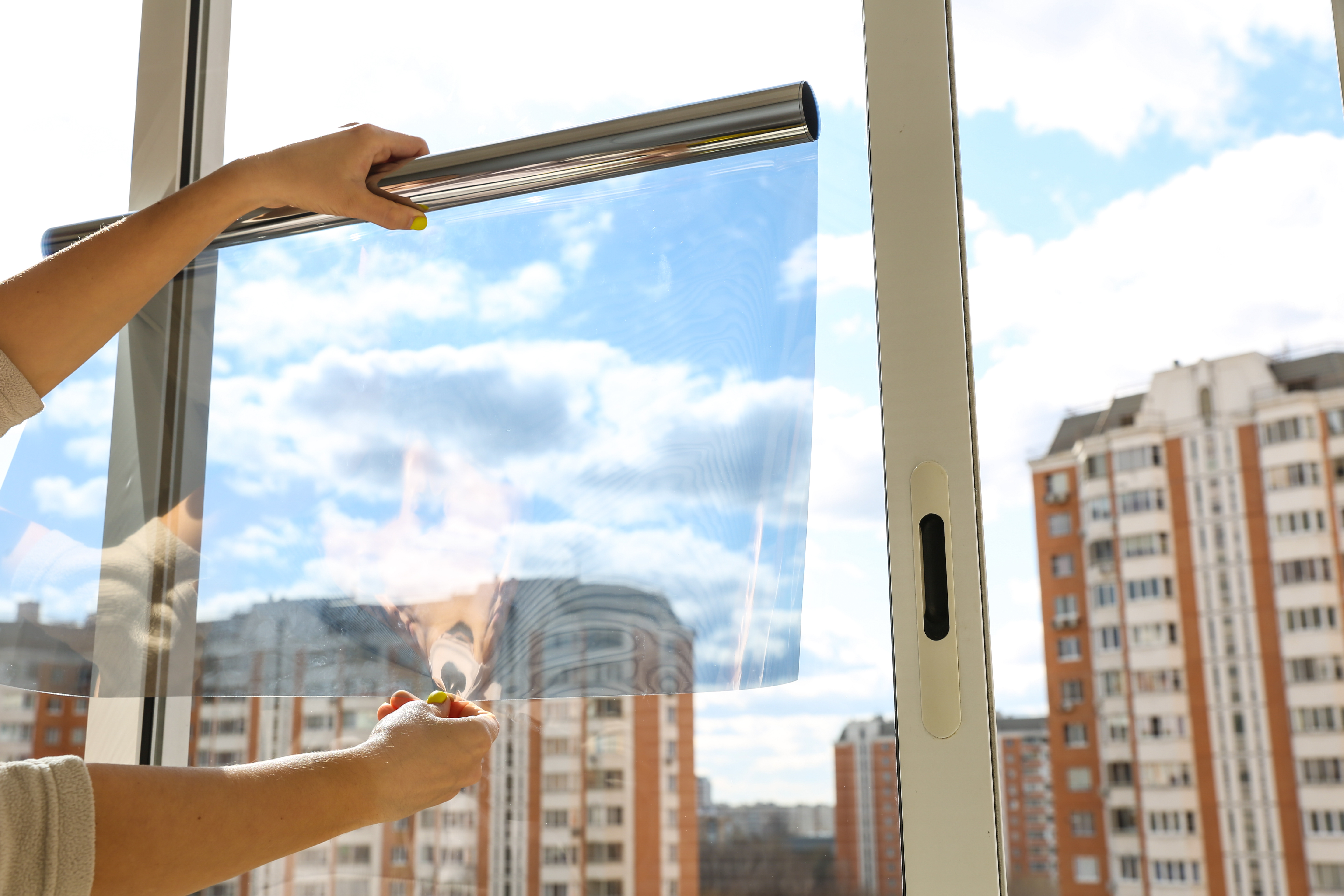
Tinted window films for houses are usually made from a micro-thin sheet of thermoplastic resin called polyethylene terephthalate (PET) that offers the strength and flexibility needed when fitting film to a window. Homeowners looking for a solution that insulates a window without blocking light from a home should investigate low-e glass vs. window film.

The Susanville, CA homeowners’ guide to window tinting services

From average costs to expert advice, get all the answers you need to get your job done.