




Top-rated lawn irrigation specialists.

Best lawn irrigation specialists near Strawberry, CA

Enter your zip and get matched with up to 5 pros

Need a pro for your lawn irrigation project in Strawberry, CA?

Select your specific project to find the pro for you.

Top-Rated Lawn irrigation specialists in Strawberry - Updated Nov 2026

Avatar for Joca landscaping services
Joca landscaping services
New to Angi
Sprinkler System for Lawn and Garden - Winterize or Activate

Serving Strawberry, CA and surrounding areas

Approved

Free estimates

Emergency services offered

Small jobs welcome

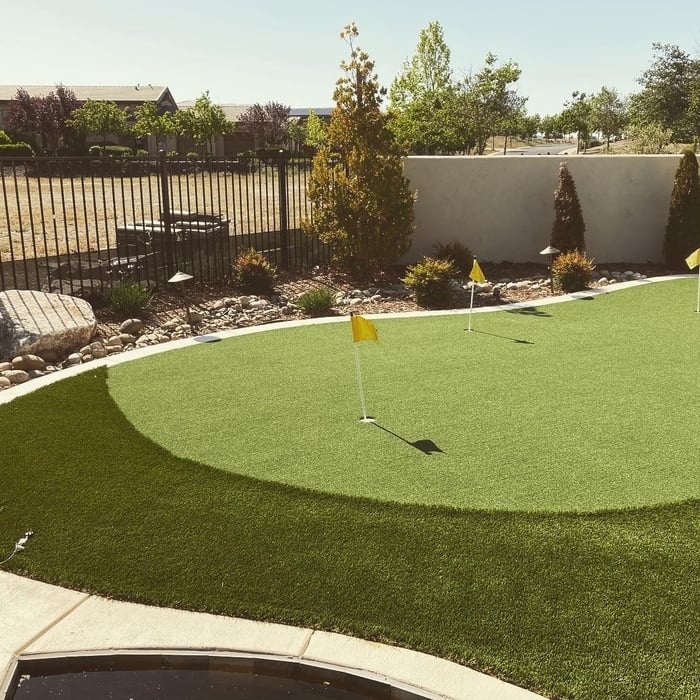
Reliable local company that had over 25 year in Landscaping experience. professional Landscaping Services no job to small or too big. Irrigation repairs and installs clean ups weekly or monthly maintenance. We also install artificial turf

9 neighbors recently requested a quote
Showing 1-10 of 23
Lawn Irrigation FAQs, answered by experts

Orchard grass seeds can spread quite easily, traveling with the wind as well as birds and animals. Common grass seed packets, especially in the popular tall fescue variety, may contain the occasional orchard grass seed by accident. Always purchase high-quality turf grass seed without "other crop seeds" mixed in.

You can thicken new grass by using fertilizer, watering it 1 to 1½ inches per week, mowing when it is at an optimal height, and preventing weeds. You should fertilize your grass while you plant the grass seed, or soon afterward. Use an herbicide to prevent weeds or spot spray with herbicide to kill existing weeds.

The best time to plant grass seed depends on your local climate and whether you have cool-season or warm-season grass.

For cool-season grasses (like tall fescue), the ideal time to seed is late summer or early fall (typically August and September). During this period, the soil is still warm from the summer, but the air is cooler, creating optimal conditions for germination and root establishment before winter. There is also less competition from weeds. Spring is a secondary option, but cooler soil temperatures, the risk of a late frost, and less time for the grass to mature before summer heat can make it less successful.

For warm-season grasses (like St. Augustine), the best time to plant is from late spring through mid-summer (typically May and June), when temperatures are consistently between 75 and 90 degrees Fahrenheit.

In general, it is best to avoid seeding during winter or early spring, as cold soil and air can prevent seeds from germinating. For recommendations tailored to your specific grass type and climate, consider consulting a local lawn care professional.

Fast-track your seeds to success by pre-soaking them for 24 hours in a shallow container filled with tap water. The water will penetrate the husk and moisten the embryos inside. After one day of soaking, sow the seeds in the soil. Never soak the seeds for more than one day (unless the specific variety calls for longer), as prolonged soaking could cause them to rot.

Yes, it's common for lawns to look bare after dethatching. Dethatching brings soil to the surface to create a "bald" look on your lawn. While you may choose to patch or reseed your lawn if bare patches seem excessive, it's normal for a lawn to look bare after dethatching. With the layer of debris that was blocking water, nutrients, and air from reaching your grass now gone, your lawn is likely to grow better than ever.

The Strawberry, CA homeowners’ guide to lawn irrigation services

From average costs to expert advice, get all the answers you need to get your job done.