





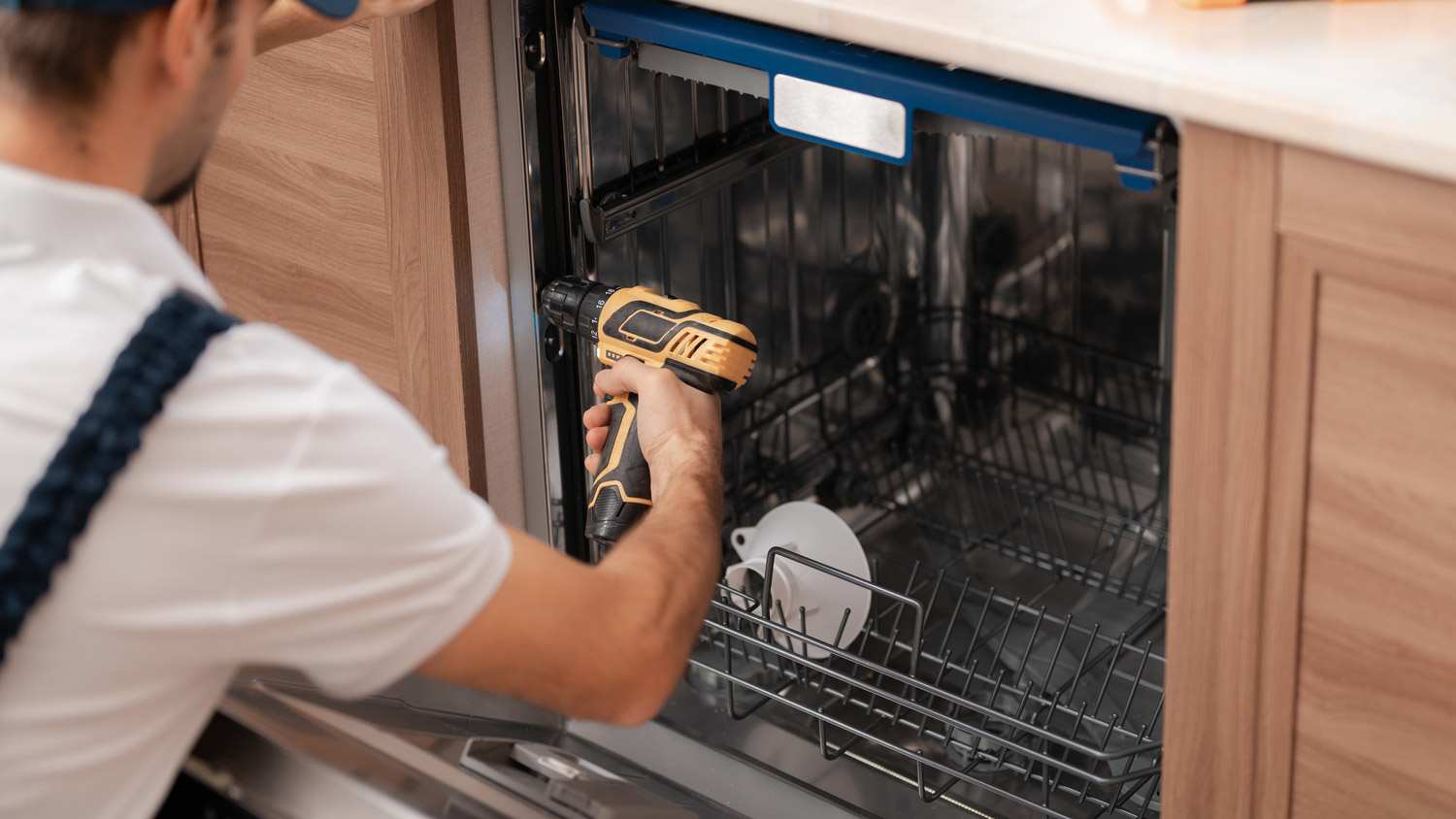
Top-rated dishwasher installation pros.

Get matched with top dishwasher installation pros in Pleasanton, CA

Enter your zip and get matched with up to 5 pros

Need a pro for your dishwasher installation project in Pleasanton, CA?

Select your specific project to find the pro for you.

TRUSTED BY PLEASANTON, CA HOMEOWNERS

  • Average homeowner rating star icon4.3
    Average homeowner rating
  • Verified reviews icon501
    Verified dishwasher installation services reviews

Find Dishwasher installation pros in Pleasanton

No results for Dishwasher installation pro in

Try adjusting your search criteria.
Dishwasher Installation questions, answered by experts

Not all dishwasher noises are signs of trouble, as dishwashers naturally make sounds during operation. Normal sounds for a functional dishwasher include humming, swishing, and sloshing. However, if you hear problematic noises such as pounding, drumming, grinding, or rattling, it could be a sign of an underlying issue, and you should consider having a technician inspect your appliance.

When deciding whether to repair or replace your dishwasher, consider its age, the repair cost, and its warranty status. It is often worth repairing a dishwasher if it is only a few years old, the problem is minor, or the appliance is still under warranty. A common guideline is the 50% rule: if the repair cost is less than 50% of the price of a new unit, a repair is generally recommended. However, if the dishwasher is more than 10 years old or requires frequent repairs, replacement is likely the more cost-effective choice to avoid future issues. For context, a new dishwasher costs between $1,000 and $1,500 on average, while typical repairs cost several hundred dollars. Simple fixes like a damaged gasket or clogged filter can be inexpensive, but major repairs like a new pump or motor can be costly.

Several signs can tip you off to a clogged dishwasher drain. At first, you may notice that it’s taking longer than usual for the dishwasher to drain, or you may hear gurgling sounds during the draining part of the cycle. You might also notice water backing up into your sink or excess food at the bottom of the dishwasher after a load. The most obvious sign, though, is seeing standing water at the bottom of your dishwasher after the cycle has finished.

The answer is a resounding yes, as dishwashers save significant water and energy compared to washing dishes by hand. The difference is so drastic in fact that those who use energy-efficient dishwashers can expect savings of over $450 per year. This is because dishwashers use less water, they wash at a higher temperature than a hand rinse, and you don’t need to rinse them after washing. New dishwashers use around 4 gallons per load, whereas washing by hand can use up to 2 gallons per minute.

Yes, a dishwasher needs an air gap to prevent backflow. Additionally, in many locations, air gaps or another measure to prevent backflow are required for building code compliance. There are alternatives to an air gap, like a Studor vent or a loop and trap design, but an air gap is the simplest and most popular solution.  

The Pleasanton, CA homeowners’ guide to dishwasher installation services

From average costs to expert advice, get all the answers you need to get your job done.